
Athletes test their bodies to the limit — training, competing, and trying to improve daily. But performance isn’t just the speed of your sprint, or how much you can lift. It’s also about how well your body can recover, how focused your mind is, and how efficiently all your systems work together. And that’s where yoga poses come in.
Once thought of as a flexibility or stress relief practice, yoga is emerging to improve athletic performance. More athletes, from runners and swimmers to football players and Cross Fitters, are adding yoga workouts to their training regimens. Why? Yoga improves mobility, balance, breath control and mental fortitude. It promotes recovery, reduces the potential for injury and builds a solid mind-body connection.
Yoga counters the fire of strenuous training with its low-impact, gentle movement. They also help lengthen tight muscles and stabilise joints, adding more range of motion — all critical for peak performance. To that end, yoga encourages calm clarity of mind under pressure — at least as much a part of competing as physical prowess.
The Physical Benefits of Yoga Exercises for Athletes
Mobility, flexibility, and strength must work in concert for the athlete. Yoga postures are perfect for developing these aspects without additional muscle pressure. Sports lean toward explosive, repeated movements, so there’s a balance in controlled, full-range movements that can bring back alignment and function.
Benefits of yoga Exercises — Yoga is among the best options for your flexibility. Athletes are prone to tight hamstrings, hip flexors, calves and shoulders. Such imbalances may limit efficiency and heighten the risk of injury. Yoga stretches these areas in safe ranges of motion to promote joint mobility and allow your muscles to move freely during athletic activity.
Yoga also improves balance and coordination. Many poses ask the core to activate and stabilise, which builds small muscle strength and proprioception — the body’s awareness of itself in space. Better balance means fewer falls, cleaner movements and more assertive posture in motion.
In yoga, strength building is functional. Bodyweight-based holds such as Plank, Warrior II, and Chair Pose build endurance in the stabilising muscles that improve athletic form, leading to less compensation patterns during explosive movements.
Yoga exercises also help to breathe better. Athletes can increase lung capacity and stamina while remaining calm under pressure through yoga, emphasising control through pranayama (breathwork). Breath is one of the first things to go in high-stress competition — yoga teaches you to remain steady and present.
Yoga aids in injury prevention. Yoga prevents sprains, strains, and overuse injuries by maintaining joint integrity, improving posture, and targeting weak points. And for athletes recovering from previous injuries, yoga has found a place as an accepted, structured and reasonably safe way to regain strength and mobility while undergoing rehabilitation.
How did you end up adding yoga exercises? A body that is more balanced, more flexible, more adaptable, and more resilient — a body more capable of competing and performing at its best in training and competition.
Mental Performance: Yoga for Focus, Confidence, and Calm
Athletic success isn’t just physical — it’s deeply mental. These traits, focus, confidence and composure, separate good and great athletes. As it turns out, these yoga exercises cultivate these qualities, training our minds to remain present, contain stress, and rebound from adversity with clarity.
In competition, mental lapses can be costly. A split second of self-doubt or caution can disrupt timing, coordination and decisions. Yoga is an exercise in mindfulness, the practice of being present in the moment. This awareness, cultivated with yoga inputs like breath-based flows or meditation, further enhances the athletes’ ability to stay in the moment, within their challenge.
One other significant Gain is breath control. Deep breathwork is intricately linked to regulating the nervous system. Short, shallow breaths are a sign of stress, while long, even breaths calm the mind. Yoga practices draw.
Yoga even improves emotional regulation. Everyone’s experience with this is unique, but with consistent, repetitive practice, athletes learn to witness emotions—frustration, nerves, fear—without being consumed. This self-control translates into better decision-making under stress and better sportsmanship.
Many athletic yoga practices incorporate visualisation or mental rehearsal. While lying in Savasana or meditating, athletes can run through routines mentally, visualise success or set positive intentions. This prepares the mind, creating the neural patterns that lead to more confident performance.
Over time, yoga exercises help to build mental resilience. The discipline of holding challenging poses, remaining with discomfort and coming back to the breath reflects the challenges that arise in strenuous training or during competition. Athletes learn to push the limits while remaining calm and focused.
Put, yoga trains athletes to train harder — and more intelligently. This mental clarity achieved by regular yoga practice will help in every aspect of athletic performance, from practice to podium.
Recovery and Regeneration: Why Yoga Exercises Matter After Training
Recovery is where those performance gains crystallise, and the right yoga exercises are among the most powerful tools to speed up that process. If hardcore training destroys the body, proper recovery builds it back stronger. Yoga relaxes the nervous system, increases circulation and decreases inflammation — making it the perfect environment for healing.
Active recovery yoga sessions — gentle flows that prioritise stretching and breath work — help to flush out metabolic waste and transport fresh oxygen to fatigued muscles. This can help reduce delayed onset muscle soreness (DOMS) and increase range of motion for days after strenuous workouts.
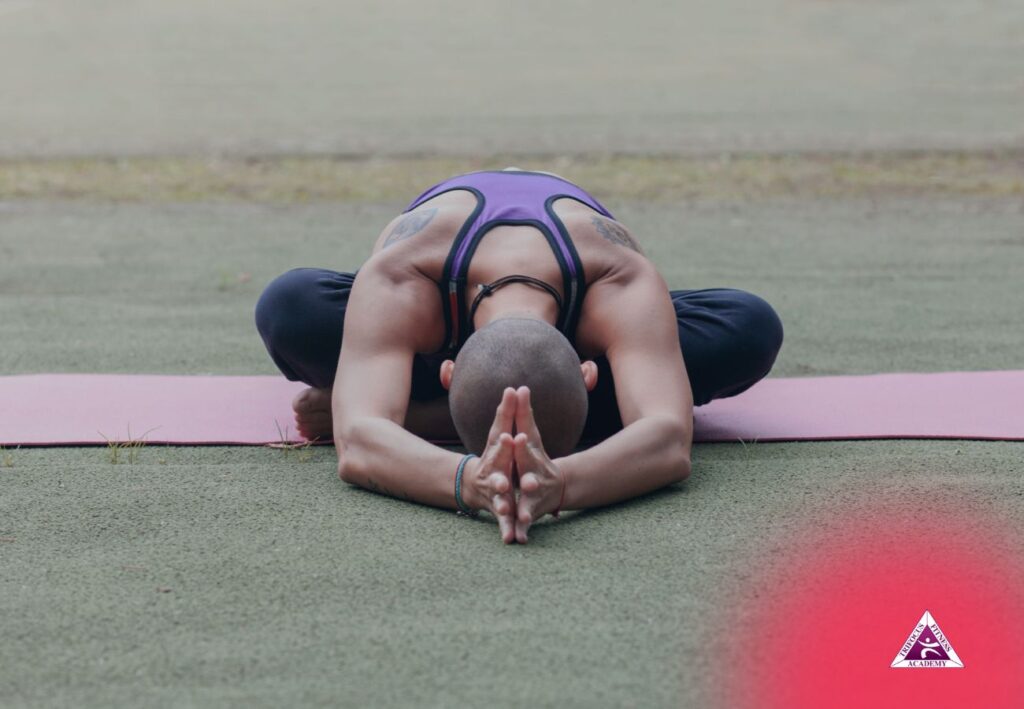
Restorative yoga poses like Legs-Up-the-Wall, Reclined Bound Angle, and Child’s Pose are particularly beneficial. These poses soothe the sympathetic nervous system and engage the parasympathetic response, facilitating digestion, hormone balance and tissue repair.
Yoga can also make you sleep better, an essential part of recovery. Studies indicate that yoga exercises decrease sleep disruptors, leading to more profound, restorative slumber. More sleep translates into faster muscle repair, a better mood and improved cognitive function.
Another benefit is yoga’s effect on the fascia — the connective tissue in the body that surrounds muscles. Dynamic stretching and deep holds release fascial tension that can otherwise limit mobility and lead to injury.
For injured athletes, yoga offers a low-stress means of staying mobile, finding the breath, and building strength without any impact on the body. It gives athletes the competency to listen to their bodies, recognise imbalances, and return to their sport with enhanced awareness and alignment.
Unlike foam rolling or static stretching alone, yoga exercises are a complete recovery tool, addressing physical fatigue, mental stress, and emotional burnout in one cohesive practice. Adding yoga to your recovery plan is a great approach that promotes longevity and low risk, and brings you back to training stronger and more focused.
Creating a Balanced Yoga Routine for Athletes
Creating a yoga routine to balance your sport doesn’t have to take long or be complicated. We only irritate it with yoga technique, or we disrupt our work with our incessant practice habits. Whether you run, lift, swim or dive into a team sport, yoga can be customised to supplement both your performance and recovery needs.
Dynamic Flow (Morning or Pre-Workout)
Start with a soft 10–15-minute Vinyasa flow to wake the body up and get the blood circulating. Incorporate Sun Salutations, Warrior I and II and Chair Pose to activate large muscle groups and build intense focus.
Segmented Mobility Sessions (post-workout):
Add in slower, longer yoga practices to stretch and release areas that can be tight in your sport. Runners may aim for hamstrings and hips (Pigeon Pose and Reclined Twist), while lifters might emphasise shoulder openers and spinal twists.
Restorative Practice (Dedication to the Evening or Recovery Days)
Do Restorative yoga poses, like Legs-Up-the-Wall, Child’s Pose and Supine Bound Angle, to help facilitate relaxation. Introduce some breathwork (Box Breathing) to activate parasympathetic recovery.
Mental Reset (Anytime):
Try guided breath awareness or visualisation, for meditation or Savasana; Use this time to release stress, center yourself and visualise performance goals.”
2–3 times weekly yoga sessions, increasing intensity according to your training plan. You don’t have to be flexible or experienced — just consistent and intentional. In the long term, these yoga movements will be the foundation of your athletic program to improve your physical conditioning and mental ability.
Conclusion
Yoga is no longer just an injury recovery tool or a flexibility enhancer; it is also essential to any well-rounded athletic training plan. Should you be a strong phenom aiming to improve on the field, or push your limits to the best, yoga training with your regular fitness routine will improve your performance tremendously, strengthen your recovery, and preserve you long-term. From a physical standpoint, yoga improves mobility, balance, and muscular control, which are pivotal to efficient, injury-free movement. It builds stabilising muscle, dehydrates the tight fascia and encourages coordination up the kinetic chain. On the mental level, yoga increases concentration, decreases anxiety and deepens the inner strength needed to handle the peaks and valleys of competitive athletics. But perhaps most crucially, yoga teaches athletes to be still, tap in and listen to the body.
Contact Trifocus Fitness Academy
Explore the rewarding path of becoming a certified Yoga instructor. Unleash your potential and inspire others on your journey with Trifocus Fitness Academy’s comprehensive Yoga program.

Frequently Asked Questions
Yes, yoga exercises are efficient in accelerating recovery after intense training. When you exercise, however, you create microtears and metabolic stress in the muscle, contributing to soreness, tightness and fatigue. Yoga lessens these symptoms by supporting circulation, increasing lymphatic drainage, and stimulating the excretion of waste material such as lactic acid. Gentle yoga movements, too, stimulate the parasympathetic nervous system, which puts the body into repair mode — lowering the heart rate, soothing the mind and promoting tissue healing. Poses including Legs-Up-the-Wall, Reclined Twist and Child’s Pose relieve tension, and breathwork reduces cortisol levels, which can lead to inflammation.
Yes, yoga exercise helps reduce anxiety to a great extent as it calms both your body and mind and drives you towards peace of mind. With deep breathing, mindfulness and gentle movement, yoga slows down the nervous system and helps mitigate the effects of chronic stress. Breath control or pranayama, one of the key elements of yoga, slows the heart rate and reduces the sensations of panic or tension. Meditation and guided relaxation also contribute by quieting the mind — moving one’s attention away from anxious external thoughts. Research has revealed that regular yoga practitioners have lower cortisol levels and better stress-handling ability.
Yoga postures that address the common areas of tightness — mainly, the hips, hamstrings, calves, shoulders and back — are particularly effective for enhancing this range of motion in athletes. Like Pigeon Pose, stretching poses relieve tight hip flexors, benefiting runners, weightlifters and cyclists. The Downward-Facing Dog simultaneously opens the calves, hamstrings, and shoulders, encouraging posterior chain mobility. Seated Forward Fold and Reclined Hand-to-Big-Toe Pose (Supta Padangusthasana) stretches the hamstrings, while this pose helps a healthy lower back. Thread-the-Needle and Puppy Pose release both the shoulders and thoracic spine for upper body flexibility. Consistently practicing these yoga exercises — after workouts or on rest days, ideally — increases range of motion and reduces the chances of straining a muscle or picking up an injury from compensating.
To achieve visible differences in flexibility, recovery, and performance, it is recommended that, for a typical athlete, yoga exercises can be adopted at least 2 to 3 times a week. How often will depend on training volume and goals. Short (10–20 minute) sessions of gentle stretching and breathwork for in-season athletes can promote recovery and mitigate stress without overloading the body. Longer yoga sessions (30–60 min) could also happen during off-season or recovery phases, focused on mobilisation, balance, and mental clarity. So, practicing regularly helps you gain things like doing that without the risk of injury, being aware of your body, being more energy efficient and having a bit more oomph in your sails. In an ideal setting, yoga workouts should supplement strength training and cardio instead of replacing them.
Absolutely. Powerlifters, bodybuilders and Olympic lifters will significantly benefit from such yoga exercises. These athletes frequently have tight hips, shoulders, and spines from repetitive, heavy lifting. Yoga can help bring balance back, increase mobility, and ease joint burden. Poses such as Low Lunge, Lizard Pose, and Bridge Pose increase flexibility in the hips and activation of the glutes, which are crucial for squats and deadlifts. Puppy Pose and Eagle Arms open tight shoulders, which aids overhead range of motion for pressing movements.] Plus, yoga poses strengthen stabilising muscles, enhance spinal alignment, and boost core engagement — all of which help prevent injury.
Yoga vastly improves an athlete’s mental game by training focus, stress management, emotional balance, and self-belief. The mindful aspect of yoga allows athletes to stay in the moment, which is vital during high-pressure situations when training or competing. Breathwork practices such as box and alternate nostril breathing help regulate the nervous system, calm anxiety, and improve reaction time. Struggling to find balance in a pose strengthens the mind (mental endurance and patience), and meditation methods enhance focus and mitigate mental distractions. Visioning, often done during Savasana or guided meditations, allows athletes to visualise success and rehearse great performances in their mind, making them feel more prepared and boosting confidence. Yoga encourages emotional awareness, so athletes can react to disappointment or frustration without being reactive.