
LATEST FITNESS BLOGS
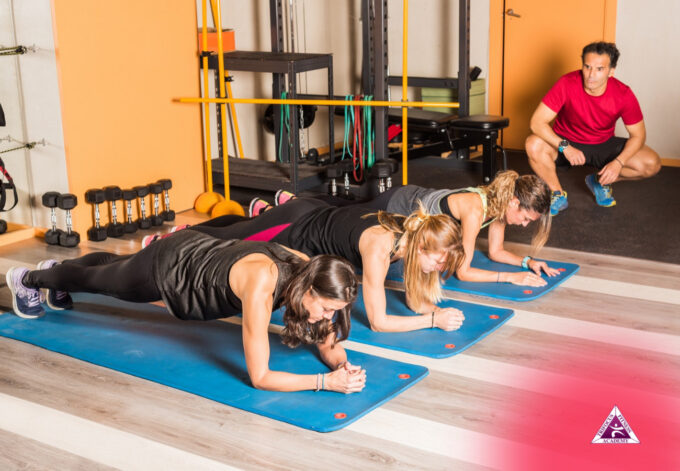
Why Group Exercise Should Be Part of Every Gym’s Offering
Today, gyms compete on more than just equipment. Users increasingly want variety, guidance, flexible training approaches, and easier access to regular exercise. Group Exercise can address all of the above by offering structured sessions and opportunities for interaction, progression, and increased participation in the gym community. Strength classes, cycling classes,…
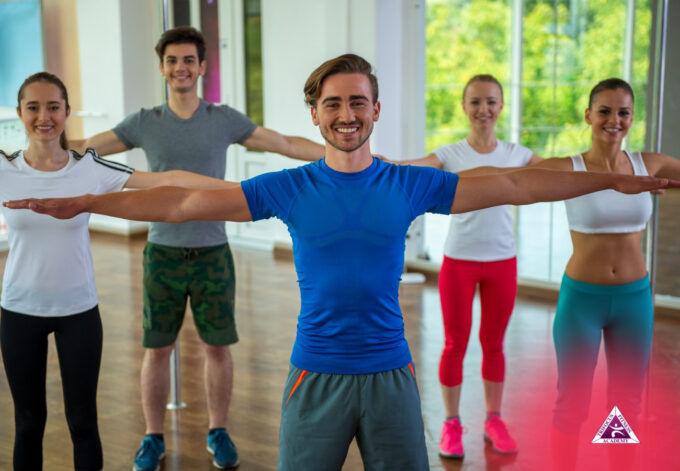
Understanding Body Mechanics for Safe Group Exercise Instruction
Teaching group exercise effectively requires more than demonstrating movements and motivating participants. Instructors should also have practical knowledge of body mechanics to clearly demonstrate exercises, identify potentially inappropriate movement patterns, offer appropriate modifications, and design classes based on participants’ abilities. Body mechanics refers to how the body moves and uses…
Legal Considerations for Freelance Group Exercise Instructors
Self-employment as a group exercise instructor lets you be more flexible and take more control of your classes, venues, fees, and client relationships. Being a freelancer also means you take responsibility for legal and administrative tasks that a gym, studio, or employer might handle. Freelance instructors in South Africa should…
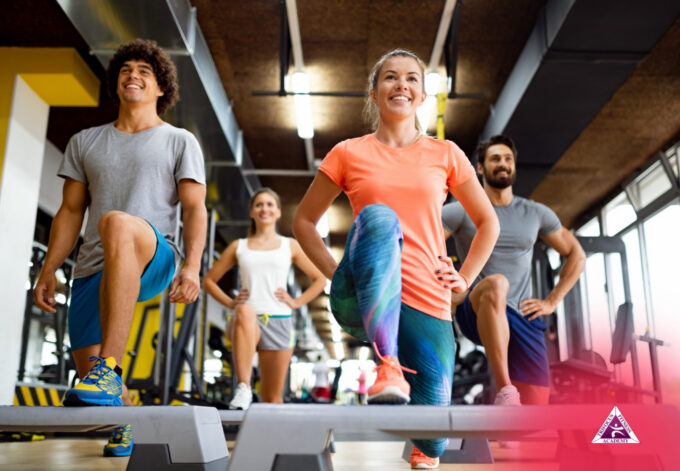
Client Success Stories from Group Exercise Participation
You don’t always have to change your body drastically to be successful in Group Exercise. For many participants, achievement comes as confidence, consistency, strength, easier movement, or feeling more comfortable being physically active. These outcomes can take time to build as people attend classes regularly and find ways to exercise…
Personal Training for Different Age Groups and Lifestyles
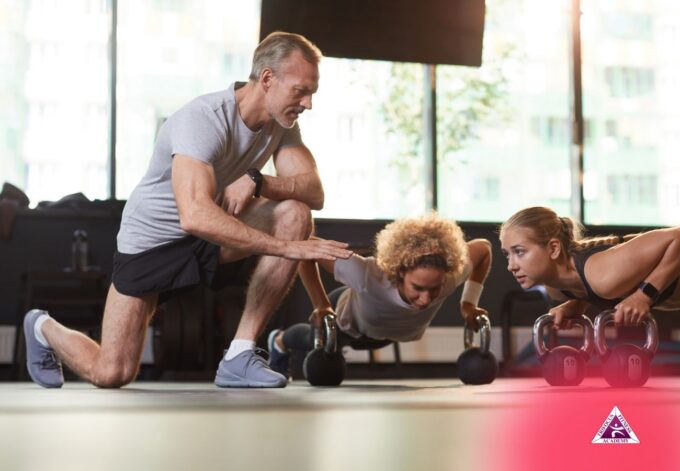
Many factors can affect how someone should train, including age, work demands, fitness experience, mobility, health, family responsibilities, and personal goals. Personal training lets trainers tailor exercise to these differences, rather than requiring everyone to follow the same routine. A younger adult may want to build strength, improve athleticism, or…
Understanding Biomechanics and Its Role in Personal Training
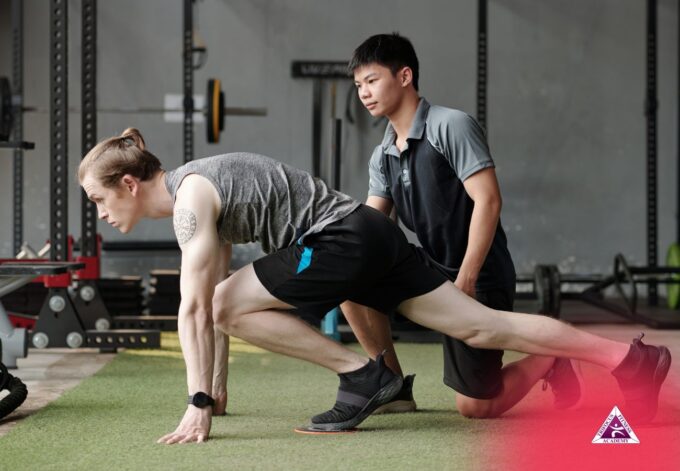
Biomechanics is the science of the forces acting upon the human body and the production of movement. It combines anatomy, physics, and movement science, explaining how muscles, joints, bones, and external resistance interact during physical activity. Knowledge of biomechanics in Personal Training helps trainers choose exercises, optimise technique, and adjust…
Blog Categories
Related Blogs
- Why Group Exercise Should Be Part of Every Gym’s Offering
- Understanding Body Mechanics for Safe Group Exercise Instruction
- Legal Considerations for Freelance Group Exercise Instructors
- Client Success Stories from Group Exercise Participation
- Personal Training for Different Age Groups and Lifestyles
- Understanding Biomechanics and Its Role in Personal Training
- The Role of Personal Training in Supporting Healthy Ageing
- Personal Training for New Parents Returning to Exercise