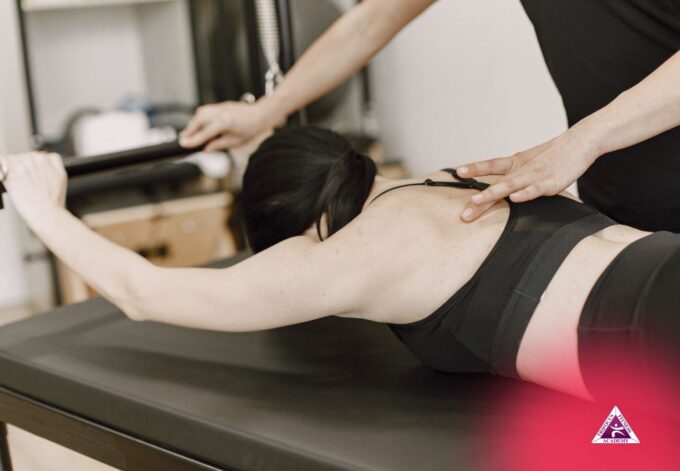
The nervous system supports the body’s response to new physical and emotional needs. It affects movement, breath, heart rate, attention and the ability to alternate activity with recovery. During prolonged stress, individuals might notice muscle tension, restless breathing, difficulty concentrating, or an inability to relax. Pilates combines controlled movement, focused…
Read MorePilates Blog
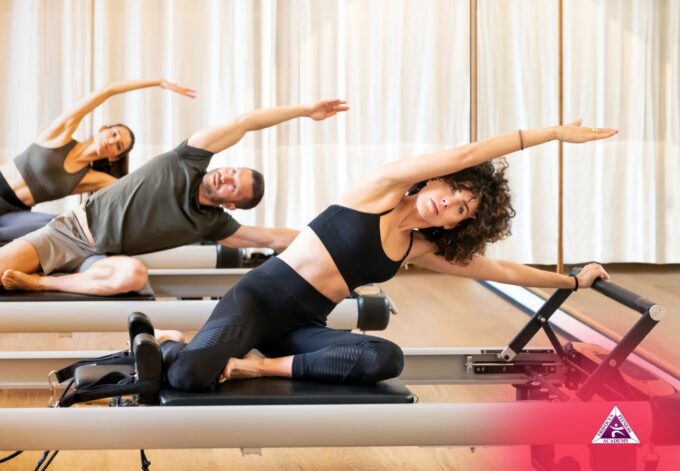
In any exercise programme, consistency matters, and Pilates is no different. People may have different primary objectives, such as building strength, enhancing movement control, building flexibility, improving posture, or simply being more physically active. Practice frequency will depend on these objectives, as well as the person’s fitness level, recovery needs,…
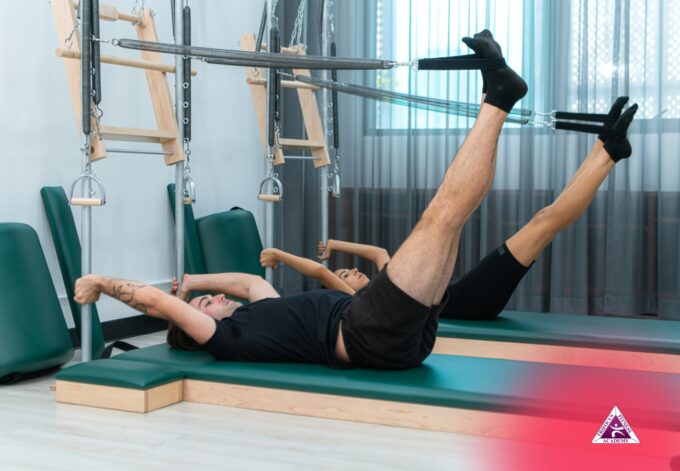
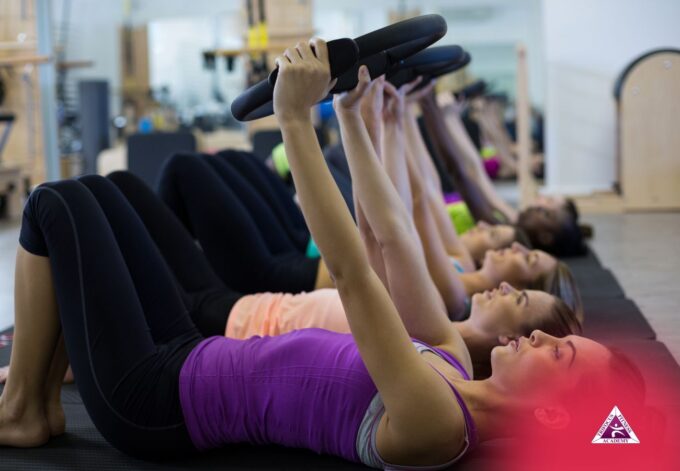
Read MoreIn mat-based Pilates, you can quickly build body awareness, trunk control, mobility, coordination, and basic strength. Mat exercises can teach the rules of movement before more complex equipment is used, since many exercises rely on the body for resistance and gravity. Reformer Pilates uses a special machine with a moving…
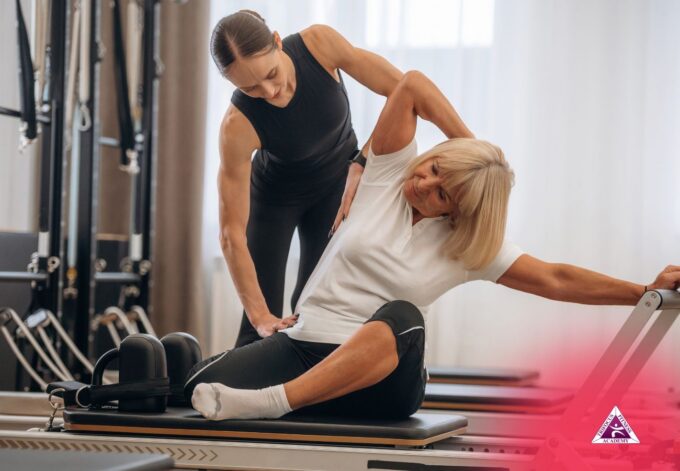
Read MoreConfidence in teaching others goes beyond knowing the exercises. Teachers must understand movement principles, give clear instructions, watch technique, modify exercises, and respond appropriately to students’ abilities and limitations. Training in structured Pilates can help develop these professional skills and provide a stronger foundation for confident teaching. During training, future…
Read MoreConstant muscle tension can impact comfort, mobility, posture and daily activities. You may notice tightness around the neck and shoulders, stiffness through the hips or lower back, or differences in strength and control across different parts of the body. These patterns can emerge with sustained sedentary periods, repetitive exercises, previous…
Read MoreHealthy joints support comfortable movement, independence, and physical confidence throughout life. The body’s joints are designed to provide movement and stability. Still, they can become less resilient when the surrounding muscles are weak, movement patterns are inefficient, or physical activity is reduced. Improving joint support may help daily functioning and…
Read MoreAn effective, sustainable exercise program may be key to maintaining physical well-being over time. If high-intensity exercise gives you short-term gains, you’ll achieve long-term fitness best through movement you can repeat and modify as you grow. That’s one of the things that makes Pilates so popular for people looking to…
Read MoreIt can be difficult to get started when you are older than 40, particularly if you haven’t exercised in a while or are looking for an exercise that is easy on the body. Pilates can also be a good alternative because it emphasises movement, posture, flexibility, balance, and core strength…
Read MoreThe fitness community is growing, and people are seeking ways to exercise that strengthen their bodies, improve their mobility, posture, flexibility, and movement. In this evolving landscape, it’s no wonder Pilates has emerged as a popular career path for fitness enthusiasts seeking a more technical, controlled approach. A job in…
Read MoreOne of the key components of Pilates is precision; every movement is intended to be done in a controlled, thoughtful and accurate way. Participants do not rely on speed or momentum but on how the body moves, which muscles are working, and whether the position is being held correctly. This…
Read MoreNeutral spine is one of the most fundamental principles of Pilates. For beginners working on the basics of movement or advanced exercisers working on advanced movements, keeping the spine neutral helps improve your posture, movement quality, stability, and exercise effectiveness. It establishes a balanced initial position that promotes safe and…
Read MorePilates is a popular exercise for its benefits of increasing core strength, flexibility, posture and body awareness. One often misunderstood term is strength vs stability, however. While these two qualities are closely connected, they are not the same. By understanding the interplay between strength and stability in Pilates, practitioners can…
Read More