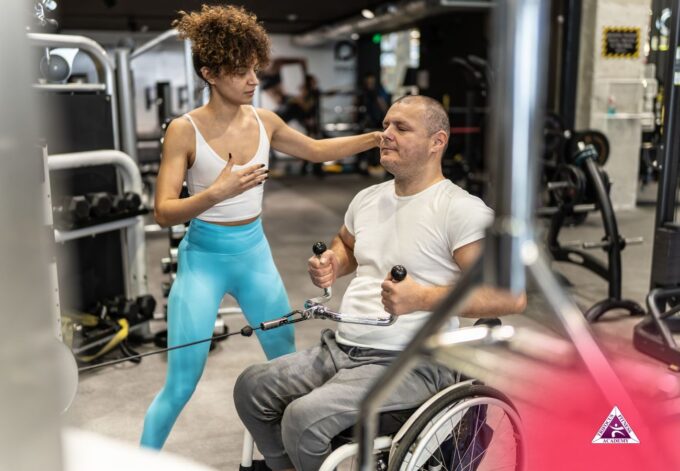
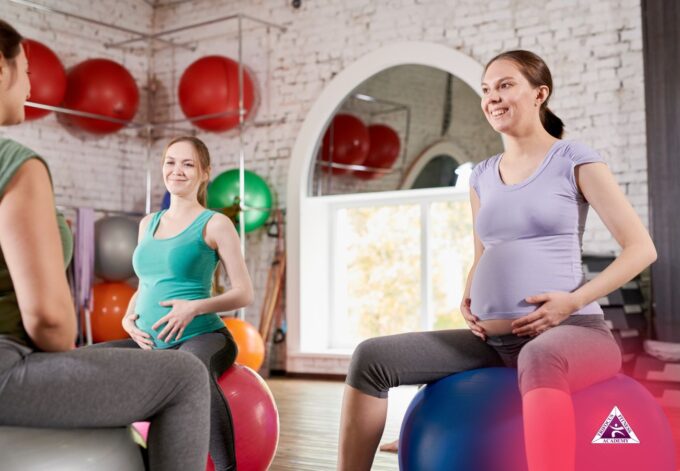
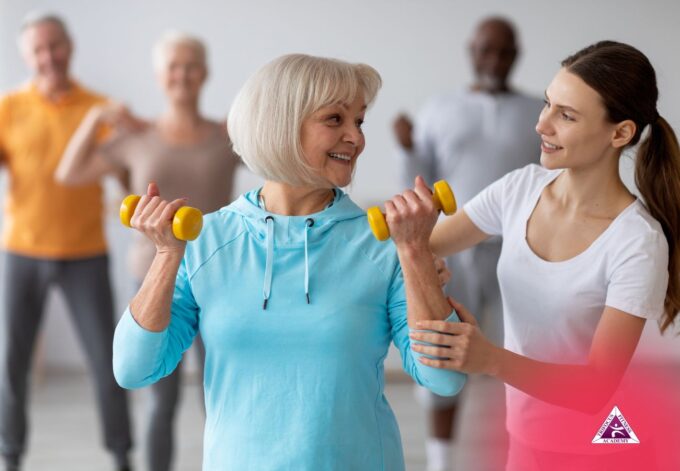
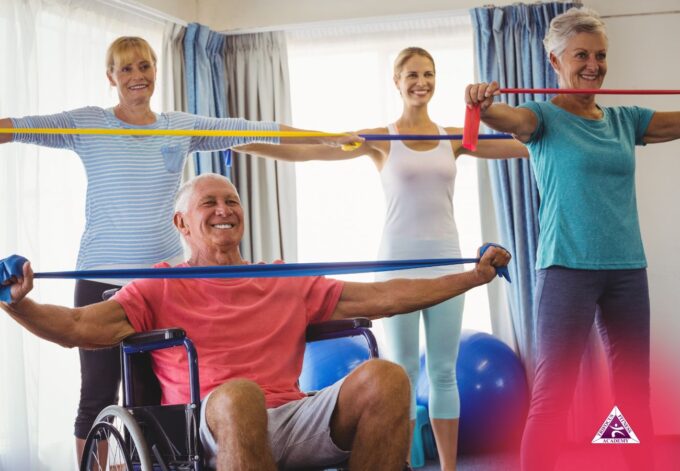
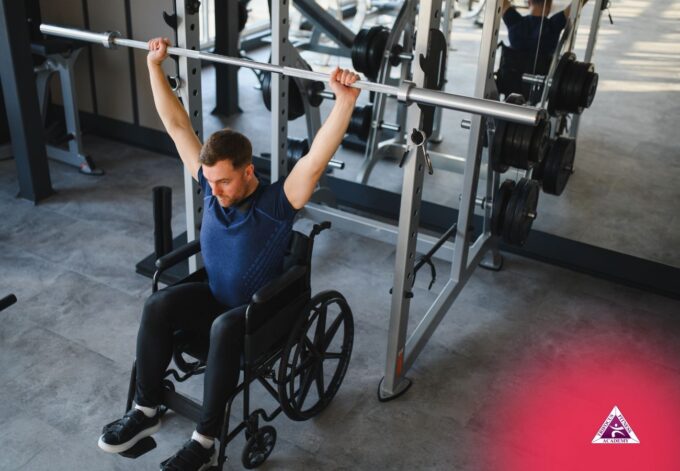
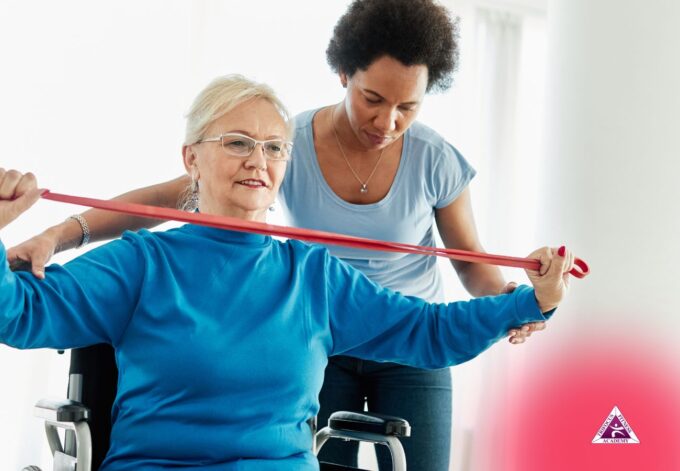
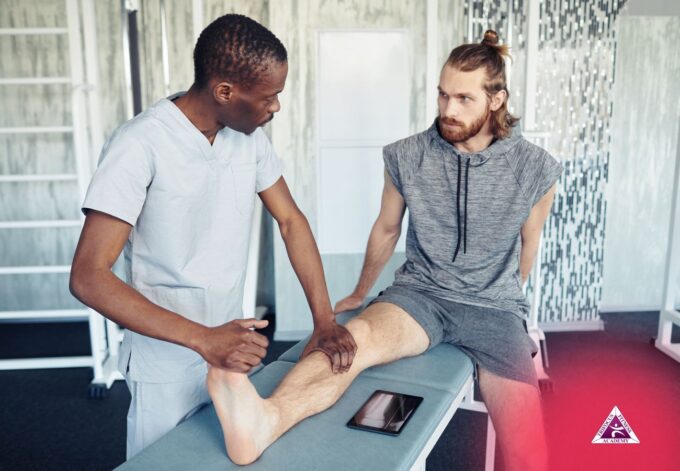
Self-confidence can affect a person’s desire to change their routine, engage in daily activities, attempt new exercises and stay physically active over time. Confidence can be affected in special populations due to physical ability, health status, disability, pregnancy, ageing, previous injuries, and/or inactivity. Well-designed exercise can help restore confidence by…
Read MoreSpecial Populations Blog
Exercise is often associated with improved physical health, but it can also benefit mental health. Regular exercise can help maintain mental balance, sleep patterns, self-esteem, brain function, and well-being. The benefits outlined above may be even more significant for Special Populations; health issues, disability, pregnancy, ageing, decreased mobility, or major…
Read MoreAerobic exercise can enhance strength, mobility, balance, cardiovascular health, independence, and overall physical function in many groups of people. People don’t all react to exercise the same way, though. Special Populations may consist of older adults, pregnant/postpartum clients, clients with disabilities, clients who have chronic illnesses like diabetes, and clients…
Read MoreFitness professionals often work with clients whose exercise needs go beyond what a typical training programme can address. Older adults, pregnant and postpartum clients, individuals with disabilities, clients with chronic health conditions, and clients returning to activity after illness or decreased mobility are examples of special populations. These clients need…
Read MoreStrength and balance are essential to physical function because they affect people’s ability to walk, climb stairs, stand from a chair, carry objects, change direction, and complete daily activities with confidence. These skills can be especially important for Special Populations, as age, disability, pregnancy, chronic health conditions, previous injury, or…
Read MoreYou can’t simply apply common fitness knowledge when working with clients who have special health requirements. The needs for exercise in older adults, pregnant women, those with chronic medical conditions, and people recovering from injuries or physical disabilities are all different and require special skills and programme design. As the…
Read MoreExercise is vital for good health, but not all exercise programmes are appropriate for all people. Chronic medical conditions, physical disabilities, age-related changes, or other special health needs may necessitate the development of exercise programmes specifically tailored to the individual’s ability. This is where Special Populations fitness programmes play an…
Read MoreMaintaining good physical health, mobility, and independence becomes increasingly important as people get older. As people age, they can develop changes in their muscles, balance, flexibility, endurance, and joint function that may impact day-to-day living and quality of life. Exercise is a key component of healthy ageing, though exercise programs…
Read MorePhysical activity can be one of the most effective means of enhancing physical health, mental well-being, and quality of life. But there are times when some people are unable to safely engage in the same exercise program. Exercise programmes may need to be specially tailored to the needs of individuals…
Read MoreIndependence is one of the key factors in enjoying a healthy and fulfilling life. Independence in daily activities can help to build confidence and improve well-being and quality of life. Depending on a person’s age, disability, chronic illness, or special health concerns, it may be harder for some to remain…
Read MorePhysical activity is a key component of physical health, emotional wellness, mobility and overall quality of life. Although exercise is beneficial for most people, those in special populations may need a modified exercise program, depending on their physical, medical or lifestyle history. Specialised fitness groups can include older adults, pregnant…
Read MoreFor all ages and fitness levels, exercise and physical activity are an important part of health. But when individuals from special populations are involved in training, specially designed training methods are needed to minimise the risk of injury and facilitate safe movement while training. Adaptive fitness groups can include anyone…
Read More