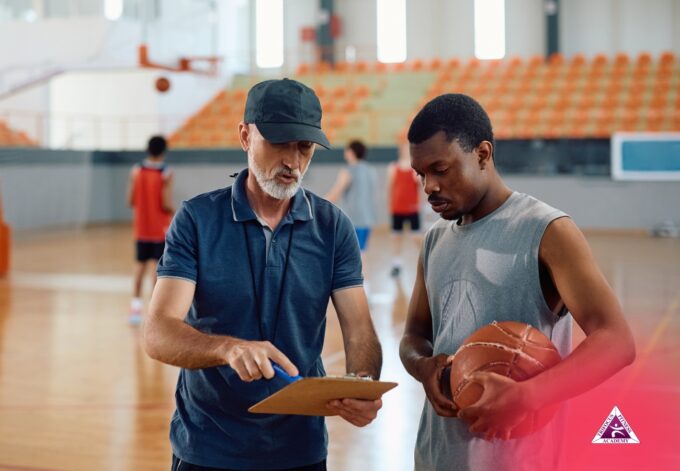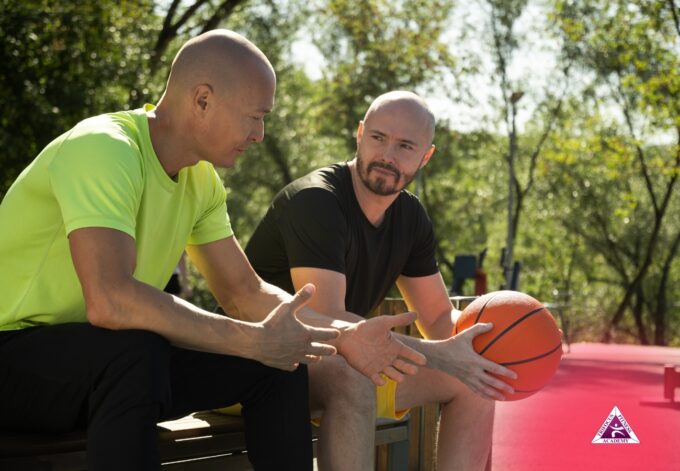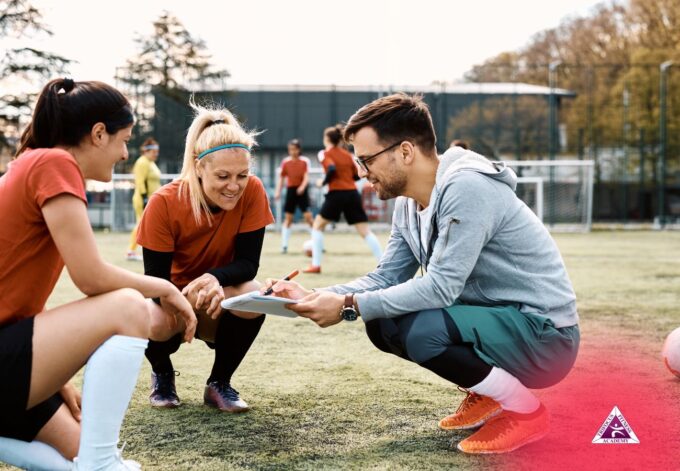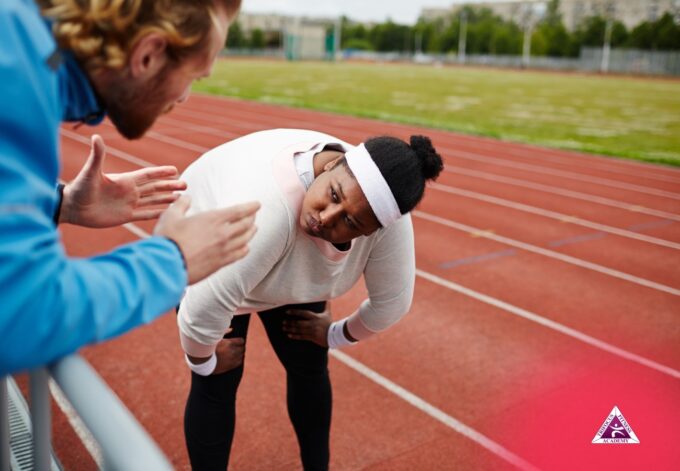
Performance slumps are a normal part of competitive sport. Sometimes an athlete may slump in performance, lose confidence, make poor decisions, or lose the ability to perform skills they once did easily and effectively. These times may be challenging for both athletes and coaches. A common mistake is to increase…
Read MoreSports Course Blog
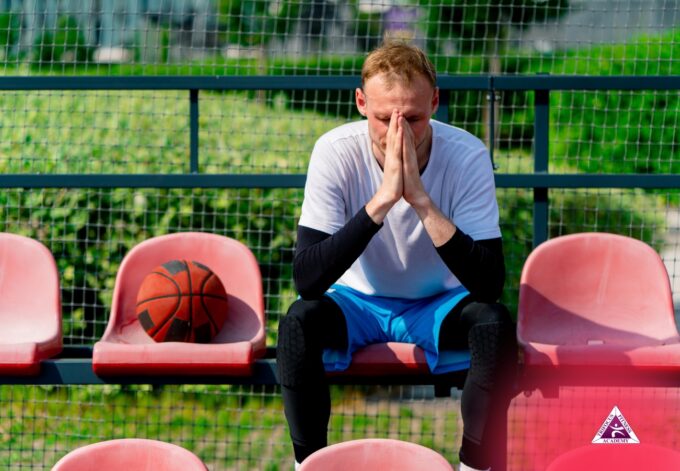
Competitive sport can be exciting, motivating, and rewarding, but it can also cause anxiety. Athletes may worry about making errors, letting coaches or teammates down, losing important games, being judged by fans, or not living up to their own expectations. Sports coaching can be an important tool for athletes to…
Read MoreCompetitive athletes often need to perform at their best under peak stress. Emotional and mental stress can rise in important games, selection trials, finals, close matches, against tough opponents, and in large crowds. Even technologically advanced players can struggle when pressure affects focus, decision-making, or confidence. Sports coaching should help…
Read MoreTalented athletes require more than physical talent and skill. They should also learn to observe their environment, identify patterns, predict interactions with opponents, make decisions quickly, and react when things change. These skills can be termed game intelligence. Sports coaching develops this type of thinking. A coach can teach athletes…
Read MoreAthletes often face challenging situations in competitive sport. They may have to learn from failures, manage fatigue, handle stress, and keep going when the outcome is uncertain. Although physical and technical preparation are vital, athletes can also build mental preparation to stay focused and flexible during intense competition. Sports coaching…
Read MoreCommunication is among the most crucial competencies in sports. Coaches must ensure techniques are explained, feedback is given, athletes are encouraged to perform, conflict is managed, and players understand expectations. The responsibilities are more complicated when athletes come from diverse cultures and speak different languages. Sports Coaching in multicultural settings…
Read MoreTransition from one sport to another can be an important developmental phase for an athlete. Transitions may occur between competing in junior and senior sport, from amateur to professional, from school to University, or from recreational to competitive sport, and can bring new expectations and challenges. Sports Coaching is a…
Read MoreCreating an athlete is an ongoing process, and it’s much bigger than getting better for a game or a season. Development opportunities for athletes should be provided at various stages to build physical capacity and technical skills, confidence and decision-making, resilience, health, and training habits. Effective sports coaching strongly influences…
Read MoreAthletes devote a lot of time to learning technical movements, tactical patterns, decision-making, and competition strategies. But developing a skill is not enough. Another key part of the training process is remembering what they’ve learned and using that knowledge consistently in varying circumstances. This is why it’s vital to retain…
Read MoreWinning in competitive sport relies on more than just physical fitness, technique and tactics. Mental skills are also key to an athlete’s ability to perform under pressure, respond to challenges, and perform consistently during training and competition. Self-regulation and concentration are two of the most useful psychological skills that athletes…
Read MoreIt is important that the athlete reaches their potential and makes steady improvements in their performance, and sports coaching is a critical factor. Talent is a good starting point, but good coaching is often a key part of an athlete’s success. Good sporting coaching is about learning, developing, preparing, and…
Read MorePhysical fitness, technical skills and tactical knowledge are necessary, but on competition day, it is what the athletes can do under pressure that will determine the success. Here is where sports coaching is essential. Coaches assist athletes in being physically, mentally, and strategically prepared for their best performance when it…
Read More