
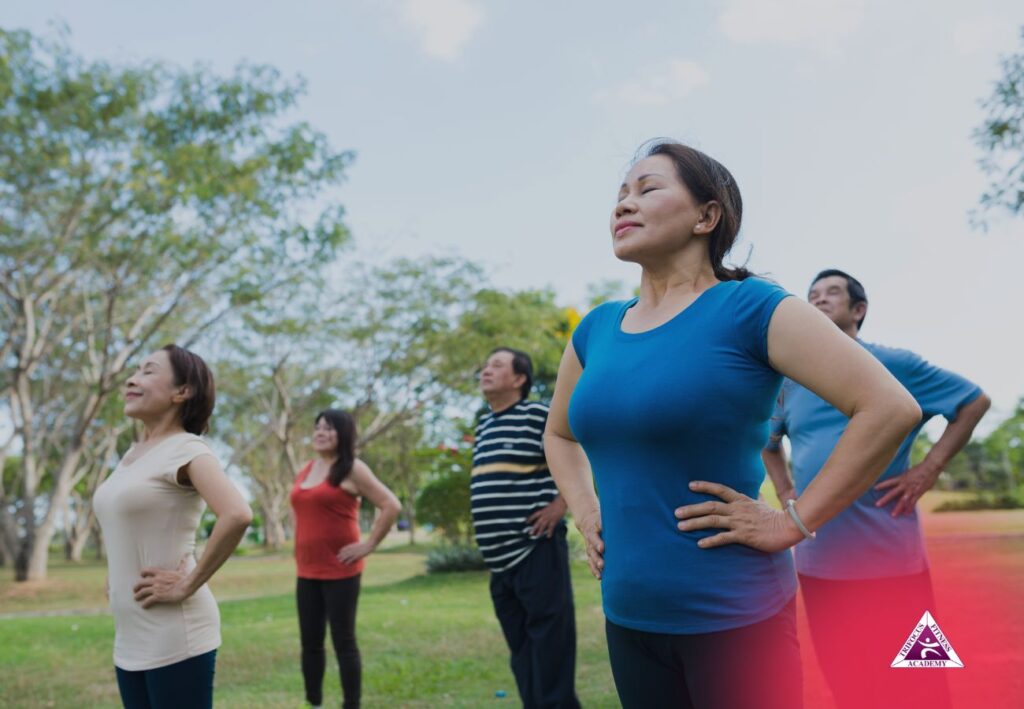
In a world where people are constantly on the go, stress is more than just a nuisance; it’s a quality-of-life issue that impacts over 75 million people. Therapy, medication, and personal care routines are crucial to managing stress, but there is a surprisingly simple and often overlooked treatment that can be just as effective as group exercise. Not only do physical workouts offer benefits, but group exercises also serve as a lifeline to mental and emotional healing.
The group setting of workouts provides the motivation, social support, and sense of community that are essential for managing stress and promoting mental health. Whether it’s a yoga class, boot camp, dance session, or outdoor walking group, group exercise can offer a mental reset, boost endorphin levels, and help you escape daily stressors.
The Science Behind Group Exercises and Stress Relief
Group activities stimulate both physical and mental reactions, which help greatly relieve stress. Exercise also leads to the production of endorphins, chemicals in the brain that serve as natural mood lifters. Group settings also lead to the release of oxytocin, the “bonding hormone,” that further reduces anxiety and contributes to well-being.
Emotionally, exercising in a group offers a distraction from concerns, lifting the individual out of their negative thought pattern. The regularity and structure of “having a class at a set time offers a stabilising influence, which is particularly useful for people coping with anxiety and depression.
The more the merrier, and when in a group, the synergistic benefits of not only shared effort but also engaging with others come into play. Simply knowing you’re not alone on the journey to wellness offers comfort and reassurance.
There is scientific evidence that supports the notion that participation in group exercise significantly reduces perceived stress and improves sleep quality, while also boosting the overall mood profile. The combination of movement, structure, and camaraderie makes group exercise a potent antidote for managing mental health.
Best Types of Group Exercises for Mental Well-being
But not all workouts are created equal when it comes to stress reduction. Some group exercise is exceptionally effective in reducing stress and boosting mood. Yoga and tai chi are great for calming the nervous system. These group activities focus on breathing, mindfulness, and gentle movement, which can positively impact your cortisol levels and ability to concentrate.
Dancing classes: Zumba or freestyle moves help facilitate a more expressive output of emotion as you release feelings and pent-up energy to the sound of upbeat tunes. These kinds of group exercise foster happiness, self-expression and connection.
Walking groups and outdoor boot camps have the added advantage of taking place in nature, which serves as a natural stress reducer. And the combination of fresh air, natural light and camaraderie will only intensify the mental health payoff.
Pilates and group strength training workouts, combined with exercise state, can help clear one’s mind through time spent in focused, repetitive movement. These concentrated exercises help people stay focused and avoid anxious thoughts.
The key is to find a group exercise that aligns with your energy and constitution. Whether slow and meditative or high-energy and joyful, group workouts provide a diverse range of options for enhancing emotional well-being.
How to Start Group Exercises for Stress Relief
Beginning a group exercise to soothe stress doesn’t require athletic levels of fitness or specialised gear. The first step, and most important, is to pick something you like doing. This makes it more likely that you’ll stick with it and start to feel the stress-reducing effects. Group workouts can take many forms, such as Zoom classes you can do from your living room or in-person gatherings at community centres, gyms, and outdoor spaces.
Before joining a group class, assess your fitness level to ensure it is suitable for you. Instead, focus on beginner-friendly classes featuring words like ‘mood,’ ‘mindfulness,’ or ‘gentle movement.’ A restorative, soothing, or healing class is perfect for stress-busting.
Set realistic goals. Instead of trying a punishing, five-day-a-week schedule, begin with one or two classes. Then, as you learn how to use that confidence to elevate your mental health, you want to do more. Bring a friend or ask a colleague to join you. Group exercise’s social accountability relies on peer pressure to build a consistency factor and can add some fun and camaraderie to a workout schedule.
Making Group Exercises a Lasting Mental Health Habit
For group activities to have a lasting impact in reducing stress, consistency is the most significant factor. The first step is to book classes like a doctor’s appointment or a meeting that is important. Once you start making time for mental health, commitment comes much easier, she said.
Pack your gear out and keep it in sight: tennis shoes, a water bottle, and workout clothes. This way, you can eliminate obstacles and reduce the cost of following through. Keep a mental count of your physical fitness and your emotional well-being. Take stock after class versus before.
And find a teacher or group with whom you click. A positive atmosphere could be the difference between succeeding in making exercise a habit you look forward to. Celebrate some small wins: getting to class, meeting a new person, feeling a bit more at peace.
Through repetition, sets of group exercises become a kind of mental anchor, a means of hitting the reset button and recharging. By incorporating them into your daily routine, you’re reinforcing a powerful and natural way to manage stress and support your mental well-being.
Conclusion
Group exercises are more than the latest fitness fad; experts believe they can do wonders for your mental health. Those co-moving, physical activities offer a unique recipe of movement, community and structure that can help regulate emotions, lift spirits, and bolster social ties. When you exercise in a group setting, you naturally release endorphins and oxytocin and, in doing so, also suppress the stress hormone cortisol.
They offer an emotionally healthy release and encourage everyone to be present in the moment, which in turn can help break the cycle of overthinking or anxiety. From yoga and dance to outdoor walking groups, the formats are varied, and there is something to suit every personality and fitness level. Initiating group workouts is easy and has low effort to get started. Whether you join a class or create your circle of friends, try to keep it going.
Contact the Trifocus Fitness Academy
The Trifocus Fitness Academy offers specialised online and internationally accredited Group Exercise courses that have been designed to outfit professionals with all of the skills and knowledge needed to find success as a professional Group Exercise Specialist.

Frequently Asked Questions
Group activities lower stress due to the benefits of movement and activity, combined with social interaction and structured activity. Exercise promotes the release of endorphins, which in turn enhances mood and reduces stress. In a group environment, the bonus of being with others means a greater release of oxytocin, a hormone that reduces fear and fosters a sense of trust and belonging. Group workouts also serve as a welcome distraction from life stress for some, allowing them to be present in the moment. Whether it’s yoga, dance or pounding the pavement with a walking group, these workouts offered some structure to the week and a consistent mental reset.
The most effective collective workouts for mental health are those that engage your body while also calming and redirecting your mind away from daily stress. Yoga and tai chi are great options because they’re based on breath control, gentle movement and mental focus. These exercises relax the nervous system and lower cortisol levels. The dance-style classes, such as Zumba, can bring both happiness and expression, as well as a good quality cardiovascular workout. Walking groups and boot camp classes held outside offer an ideal combination of exercise and the positive mood-enhancing effects of nature.
Yes, there is immense emotional resilience that is driven by group work. Group workout activities involve you in daily physical training, not only to tone your body but also to help your mind manage stress more effectively. When we march, we make routine; we form support relationships, which are central to psychological resilience! We know that physical activity increases feel-good endorphins, and active group endeavours like exercise classes offer encouragement and support. Collectively, they make it easier for people to recover from setbacks, whether financial or emotional, more readily.
Absolutely. Group Workouts are Great for Those Coping with Anxiety or Depression. Since we know group workouts boost mood, they’re perfect for people dealing with anxiety or depression. Exercise increases brain chemicals like serotonin and endorphins, the body’s feel-good neurotransmitters, which help reduce symptoms of depression. This sense of structure and predictability, group class advocates say, is essential for individuals for whom mental health is a challenge. And the social aspect of group workouts helps people feel more connected and less isolated, something many folks with anxiety and depression feel.
For stress relief through group exercise, aim for two to three workouts per week. Consistency is essential; frequent group exercise can help regulate your energy levels, stabilise your mood, and promote better sleep. However, even practising yoga just once a week can bring some of the incredible mental health benefits it is well known for, especially if you can maintain it as part of your routine long-term. The objective is to incorporate these group workouts into your life in a maintainable manner.
Yes, working on group exercises is a great way to deal with workplace stress. Working out with others, even just one or two times a week, provides a welcome break from screens, deadlines, and high-pressure situations. Whether for company-sponsored wellness programs or scheduled at the end of the workday, participating in group exercises can help everyone release the stress of the workday. These workouts help build team camaraderie among coworkers, foster teamwork, enhance communication, and boost sports morale.