
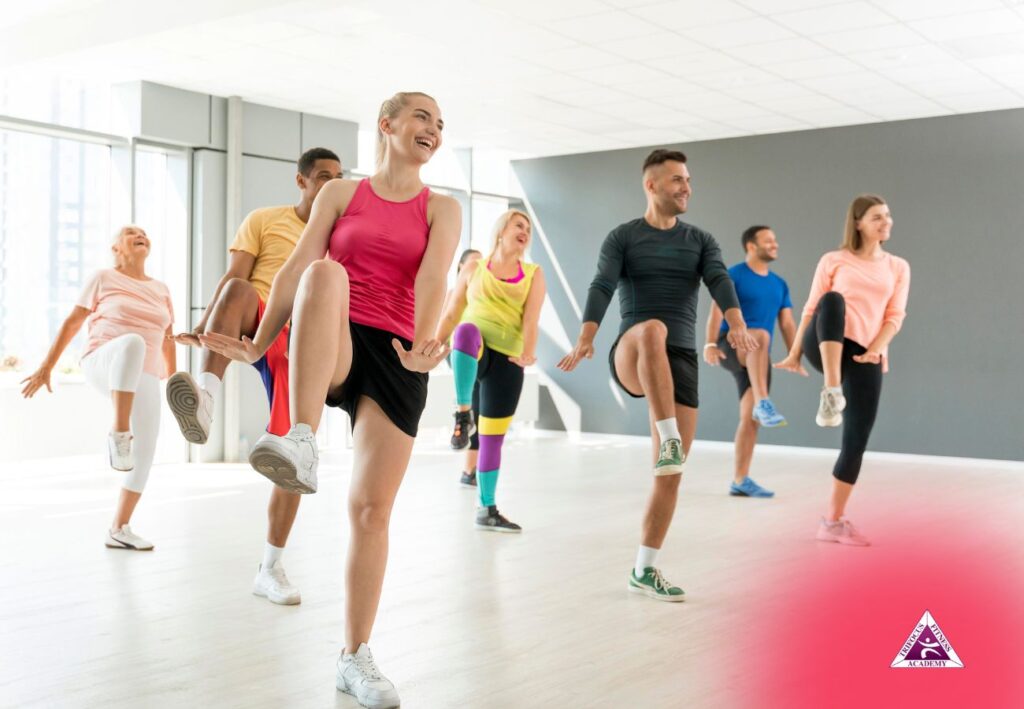
Energy, engagement and connection are everything in group fitness. One of those, effective teachers and a sense of community, are huge factors in the equation, one particularly underestimated factor that drives the success people get from Group Exercises is music. The presence of melody and rhythm during group exercise may play a special role, able to modulate the collective effort through tone-setting, motivational drive or synchronisation. The beats and moves join participants in a rhythm, causing them to flow together, which raises the level of physical performance while deepening emotional connectedness.
Music touches on something quintessentially human, our primal reaction to sound and beat. For millennia, communities have used rhythm to come together, from ancient rituals to modern concerts. In group classes, the ancient tool comes to life in new ways, transforming a workout into a full-body, multisensory experience. The beat of a bass drum or melody from a beloved song can change someone’s mood, help to control breathing and prompt movement that is purposeful, fun even. This is, of course, crucial in teamwork, where individual endeavours go toward a shared goal.
Music as a Motivational Tool in Group Exercises
Motivation relies on one of the key functions that music serves in group exercise settings. The perfect playlist can motivate attendees, elevate moods and even make workouts seem less like Routine. Positive tempos make it more likely for participants to overexert themselves and remain concentrated. Music adds an emotional layer that pulls your attention away from the pain, and which can get you through a gruelling workout with more enjoyment.
It’s been suggested that music can help improve exercise by elevating the mood and altering perceived exertion. Group workout classes, where communal energy is essential, are more exciting with a killer soundtrack. Instructors commonly use music to regulate the pace of an exercise and help groups perfect a routine. Quicker tempos increase intensity, while slower beats accommodate cooldowns and stretching.
One could argue that in many ways, music becomes the silent coach in the background, encouraging everyone to persevere. It builds a conversational bridge between groups and an unspoken bond. Because group activities that use music like this frequently attract more attendees and have no failure of satisfied participants, it is easy to see how valuable a tool music can be in turning an average class into something special.
Rhythm and Synchronisation: Building Unity in Movement
Rhythm in a group class is more than just beat: It’s something that holds everyone together. When group members do the same thing at the same time, in music, we might call this a “groove”. It helps bond them together so that they are more likely to work as one toward common goals. This synchrony helps build rapport, lift spirits and allow every workout to feel like a team event rather than just another individual task.
Many group exercise classes, such as dance fitness, spinning and aerobics, depend on rhythm to organise the routine. Synchronising with others, such as those on a dance floor, improves coordination, focus and the feeling of flow. It eliminates the need for second-guessing and avoids taking up headspace recalling moves, allowing competitors to be in the moment.
The impact on the psyche of coming together to move in unison goes beyond positive health effects. We’re just wired as humans to feel good about group rhythmic activity. It can be the foundation for trust, empathy and co-operation among members. Over time, these emotional ties contribute to a distinctive sense of “tribe” in group classes.
Educators may utilise rhythm in setting intensity, adding variations or signalling rest. Changing up your rhythm can help to refresh attention and prevent fatigue. Fast or slow, precise beating rhythms give form and make group exercises feel more complete. That sense of transporting the end mass to the rhythm takes exercising into an immersive collective.
Music and Cognitive Benefits During Group Exercises
Music isn’t just good for making you run faster or hold that yoga pose: it can also help your brain during group fitness classes. Music plays a role in the active engagement of attention, especially during complex movements where participants start to learn new sequences. It’s a sonic cue that makes it easier to remember how something felt when moving from one pose or transition into another.
Tapping into memory, it’s this link between music and history that makes the combination of two moai so effective as a group activity; instructors’ cues pair with musical stimuli to improve recollection and response. Teachers commonly utilise musical phrasing to telegraph movement variations so that participants can find them organically. This makes for better people management and more natural group exercise.
What’s more, the music can stimulate feel-good emotions that can fight off exercise fatigue as well as mental fogginess. Motivating music decreases perceived exertion and increases stimulation while exercising. Activities in groups using music strategically may result in participants feeling better, less stressed and having more joy.
The cognitive experience of music is helpful for older adult fitness and neuromuscular-based group class work or neurological rehabilitation. Here again, melody and rhythm enhance motor learning and brain function so that workouts can be not only good for the body but also great for the mind. How training as a group can work for you: Music plays a vital role in fitness, attention span and mood, which together both energise and relax us.
Cultural Relevance and Personal Connection Through Music in Group Exercises
Music can communicate among people of different cultural backgrounds, and in collective exercises, it fosters a sense of unity among participants. Instructors who select playlists representing various genres, languages and traditions contribute to inclusivity. Music is a bridge that unites people from all backgrounds and creates community.
Group work that includes cultural music can speak to your participants more profoundly. It creates a sense of belonging, feelings of pride and emotional attachment to soar engagement. Latin rhythms in a dance workout, or traditional African beats during cardio, give group exercise an authenticity and excitement that is irreplaceable.
This link also fosters self-expression and identity validation. When the music represents their culture or their taste in some fashion, this feeling of inclusiveness increases participation and engagement. It converts Group Exercises into not only an exercise but a celebration of diversity and shared humanity.
Music is also a way to personalise the group experience. List Playlists can be modified according to the preferences of participants, their birthdays or themes, and give each version a special touch. If people come to work out and hear songs they love, it creates a positive association that makes them want to return. Music enhances loyalty and camaraderie; the emotions of music are powerful.
Music that is familiar and meaningful to a participant’s culture adds depth of connection among class participants. It strengthens emotional connections, reinforces identity and increases enjoyment, demonstrating that music is more than just background noise but an integral component of group exercise.
Conclusion
The music and the rhythm are central to creating an experience in group exercise. They’re not just something you plug into a workout; they are weapons that fire on motivation, solidarity, cognition and emotional connection. From establishing the rhythm during high-energy cardio workouts to smoothing transitions in a yoga flow, music adds form and emotional resonance to group exercise. Rhythm unites participants, synchronising their efforts into communal momentum.
Its inclusion generally increases enjoyment, decreases perceived effort and promotes adherence. These are especially relevant in group exercise, where engagement and retention are key to success. Fitness too, both in a physical and mental sense, so it’s more than just appealing to that “four on the floor as many times as possible” crowd. It creates community, elevates mood and injects joy into every session.
Contact the Trifocus Fitness Academy
The Trifocus Fitness Academy offers specialised online and internationally accredited Group Exercise courses that have been designed to outfit professionals with all of the skills and knowledge needed to find success as a professional Group Exercise Specialist.

Frequently Asked Questions
Music is a significant motivational and emotional stimulus for group exercises. It activates exercisers, decreases perceived exertion, and provides a framework for exercise. The correct music can affect mood, prompt movement, and enable people to power through adversity. Tempos and rhythm are what instructors dial up (or down) to keep workouts engaging. Whether it is a high-impact dance routine or a soothing yoga practice, music serves as an immersive landscape that enhances engagement and performance. It increases bonding amongst the group by marrying movement and creating a collective emotional experience that encourages you to keep coming regularly.
Rhythm assists the participants in moving together, which creates unity and flow when doing group exercises. Everybody’s following the same kind of beat, which also reduces bafflement and mental tiredness. That rhythmic motion also creates a sense of group unity, so each class feels more like team play than an individual workout. Synchrony bolsters performance, motivation, and camaraderie. Poor performers also did worse in a third study. Shared experience promotes ethical behaviour. Bonds get stronger after group experiences that put members through adversities together.
Yes. Group exercise is sustained by music in that it increases cognitive stimulation, memory retention and concentration. The rhythm and form of the music support recall of movement patterns, transitions, and routines. Musical cues are auditory markers that direct participants without requiring continuous verbal coaching. This results in smoother classes and better engagement. Music also cuts down on mental distractions, helping them stay in the zone.”
A little music on during Group Exercises can help combat stress and elevate mood. Inspiring songs can boost happiness and positivity, making exercises more pleasant and less exhausting. There’s also this kind of self-expression with music that allows you to connect with the rhythm and movement. Group responses to music will unify participants in emotion. This emotional boost is beneficial in sustaining long-term use. People who have an emotional connection to a workout are more likely to return, adhere to their fitness goals and derive pleasure from the process.
Music is relevant culturally, thereby adding inclusiveness and value to group exercises. It reflects your identity and where you come from; it makes an emotional connection, which provides this sense of belonging. When teachers bring in varied genres and sounds, they’re recognising different traditions; it also makes the space more inclusive. Culturally appropriate music can also be motivating and increase participation. It converts workouts into group celebrations that extend beyond fitness. This relatability enhances group cohesion and makes every session more interactive.
Instructors can enhance the effect of music in Group Exercises by using songs that fit the format and energy level of the class. The ideal range for warm-ups is at a moderate pace, and you can work with high-energy tempos when doing your cardio. Use a slow, soothing music track to support cool-downs and stretching. Teachers should also pay attention to transitions, using musical phrasing as a cue for the change. Plus, if people choose their playlist, it can drive engagement. Curating playlists for special events, like themed classes or parties, enhances the experience and makes it more emotional.