
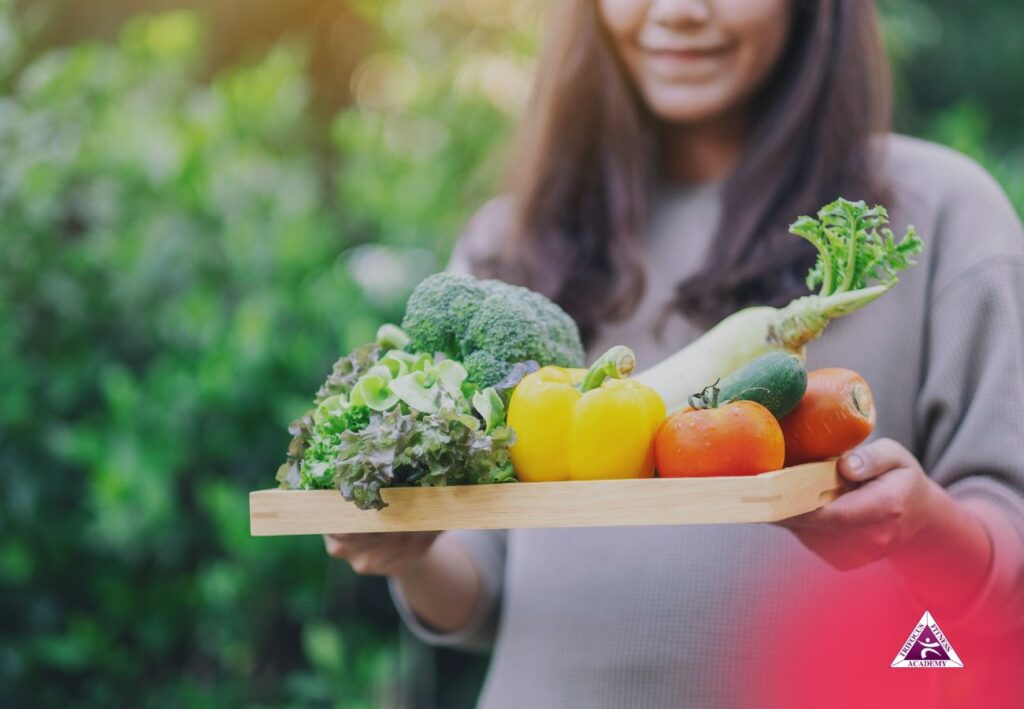
Nutritional therapies go beyond selecting the right foods and include how they are prepared. While a nutrient-dense diet that includes lots of fruits, vegetables, whole grains and lean proteins lays the foundation for your best health, your preparation methods can significantly impact the retention of the micronutrients that matter most in any customised nutrition plan.
Whether you’re targeted on heart health or managing diabetes or supporting weight-loss efforts or improving digestive function, Specialised nutrition relies not solely on what’s on that plate, but how it got there. Cooking time, heat, water exposure, and even the cookware used all affect vitamin and mineral content. Some nutrients are particularly vulnerable to heat and leaching from cooking, especially water-soluble vitamins, including vitamin C and B-complex.
For specialised nutrition, protecting the integrity of the micronutrients involved is crucial to deliver the desired health benefits of a therapeutic diet. A diet to support immune health must preserve vitamin C, zinc, and antioxidants as much as possible. If you’re dealing primarily with diabetes, the dietary plan might be to maintain as much fiber and magnesium as possible through cooking.
Boiling, Steaming, and Microwaving: Effects on Water-Soluble Vitamins
Boiling is a standard cooking method, but also one of the most nutrient-depleting, particularly of water-soluble vitamins (vitamin C, folate and B vitamins). In specialised nutrition preparations where these nutrients exert significant beneficial effects—their therapeutic value—over the boiling process, the leaching of nutrients can diminish the therapeutic value of the food, particularly in terms of immune support and energy metabolism.
Water-soluble vitamins dissolve in water and are heat sensitive. When vegetables are boiled, however, many of these nutrients leach into the water — the water is often discarded. Up to 50% of vitamin C can be lost from broccoli or spinach, for example, when boiled.
Steaming, in contrast, is a more tender method that dramatically enhances nutrient retention. Steaming helps retain water-soluble vitamins and keeps texture and flavour intact because food doesn’t come directly in contact with water. It is a go-to option in specialised nutrition, especially among patients with impaired absorption of nutrients or high demands for vitamins.
A microwave works surprisingly well to preserve nutrients. Short cooking times and low water use keep water- and fat-soluble nutrients from leaching into the cooking water. For those people on specialised plans who need tight control of nutrient intake, renal diets and anti-inflammatory protocols, for example, microwaving is the best, fastest, and safest way to go.
These methods promote Personalised nutrition as you need less water and shorter cooking times, and they prevent over-cooking vegetables. Whenever possible, utilise cooking water in soups or broths to recover lost nutrients. These simple tweaks can help you save significant nutrients and make your diet more effective.
Sautéing, Stir-Frying, and Roasting: Balancing Flavour and Nutrient Integrity
Sautéing, stir-frying and roasting are standard cooking techniques that develop flavour and texture. In specialised nutrition, where food must also function as food while still being enjoyable, the aesthetics of these methods provide a delicate balance of taste and nutrient retention. But they do have some caveats for keeping essential nutrients intact.
Sautéing and stir-frying apply limited amounts of oil and brief cooking times, which minimises nutrient loss, especially water-soluble and heat-sensitive vitamins. These other forms are beneficial for cooking vegetables, as they retain more vitamins than boiling for long periods or deep frying. For specialty nutrition plans emphasising anti-inflammatory eating, such as plans for arthritis or autoimmune disorders, heart-healthy oils like olive or avocado oil can also help provide the body with essential fats without impacting the dish’s overall nutrition.
Without added fat or moisture, roasting draws out the natural sweetness of vegetables, and many minerals and fat-soluble vitamins (A, D, E, and K) are preserved, as they’re more stable when exposed to heat. However, heat ruptures the cell walls of foods, releasing sensitive compounds, such as polyphenols and vitamin C, which can lose their integrity at high temperatures over extended periods. In niche nutrition, where antioxidant consumption is intensified, think about cancer prophylactic foods. The timing and temperature of roasting should be studied and maximised for the food’s therapeutic efficacy.
When using these cooking methods, prioritise temperature control and steer clear of any char, which can produce harmful compounds. Roasting on parchment paper or foil and moderation of oil amounts in sautéing help maintain a balanced flavour/texture/nutritional quality.
Sautéing, stir-frying and roasting are versatile techniques that can support Personalised nutrition’s current goals when practiced thoughtfully. They save flavour, add variety, and hold many nutrients, so they are great for therapy - and wellness-based meal planning.
Grilling, Baking, and Broiling: What to Watch for in Specialised Nutrition
Dry-heat cooking methods — grilling, baking and broiling — can be helpful but challenging regarding specialised nutrition. These approaches are often used in high-protein diets, cardiac plans, and general wellness efforts. They can help preserve added fat and create desirable structure in foods; when done poorly, however, they can also degrade some nutrients and produce harmful byproducts.
Grilled dishes can have a smoky flavour and use less oil, making grilled recipes a staple in specialised nutrition plans tailored to weight management and heart health. But, grilling at high temperatures can result in compounds, like advanced glycation end products (AGEs) and heterocyclic amines (HCAs), that are associated with inflammation and increased disease risk. These compounds can be particularly concerning in Personalised nutrition plans for patients with chronic diseases, like diabetes or cancer.
Baking and broiling offer greater temperature control and are ideal for preserving minerals and fat-soluble vitamins. They’re often used in specialty nutrition programs designed to manage metabolic syndrome or to promote nutrient density in gluten-free or plant-based meals. Long baking times, though, can further dry out the fish, degrading heat-sensitive nutrients.
To help preserve nutrient content and minimise the risks, grill over medium heat, avoid charring foods and marinate them with herbs and citrus before cooking. Marinades rich in antioxidants can help prevent compound formation that’ll do a number on your insides, while providing flavourful additions.
Specialised nutrition encourages varying cooking methods to minimise exposure to nutrient-depleting or harmful byproducts. Occasionally, adding grilled, baked, or broiled foods is good, but they should be seasoned and combined with fresh or steamed sides to ensure a balanced nutrient profile.
For individuals following specialised nutrition protocols for disease prevention or chronic condition management, appreciating the intricacies of dry-heat cooking methods is key to reaping benefits while preserving nutrient integrity.
Raw and Lightly Cooked Foods: Preserving Maximum Nutrient Density
This is why wonderful raw and slightly cooked whole foods are of utmost importance for creating the very best nutrient density in speciality nutrition. Many vitamins, enzymes, and antioxidants are highly heat-sensitive, and eating some raw or less processed foods can help ensure you get their full nutritional content.)
Fruits and vegetables like leafy greens, berries, carrots, bell peppers, and citrus fruits are loaded with vitamin C, folate and polyphenols — similar nutrients in clinical nutrition plans targeting everything from immune health to skin health to anti-aging. Those nutrients can be substantially lost via high-heat cooking, so raw food has a role in a varied dietary strategy.
Very lightly steaming or blanching vegetables for a very short time helps preserve texture and nutritional value while making them easier to digest, especially for people with gastrointestinal problems or following low-residue diets. Specialty products, like those developed for gut health, typically combine processed raw and light-cooked materials to ensure both proper nutrient uptake and gut comfort.
These raw nuts, seeds, and sprouts lend high doses of essential fatty acids, enzymes, and plant-based proteins, as such specialised diets are becoming more common amongst vegans, athletes, and individuals managing cholesterol or blood sugar levels.
But not all foods are better raw. Cooking can increase the bioavailability of some nutrients, such as lycopene in tomatoes or beta-carotene in carrots. And that’s why specialised nutrition recommends diversity — a mix of raw and cooked foods leads to a broader variety of nutrients and health-promoting benefits.
Raw smoothies, fresh salads and lightly steamed vegetables are simple ways to add more raw foods into your diet. Whether using raw ingredients with their immune-supporting properties or cooking these foods, nutrient-preserving cooking methods should be prioritised.
Conclusion
Cooking is a familiar part of everyday life — but within specialised nutrition, how you cook is as important as what you cook. How food is prepared can dramatically affect nutrient retention and, consequently, the efficacy of any therapeutic or wellness-based dietary project. Grilling and baking are good, but must be managed to eliminate harmful compounds, and raw or lightly cooked foods deliver unmatched freshness and nutrient density. Knowing how cooking methods work helps individuals preserve the integrity of specialised nutrition goals, manage chronic disease, achieve better energy, and/ultimately achieve better long-term health. Every approach has its place when used judiciously and balanced with others.
Contact the Trifocus Fitness Academy
The Trifocus Fitness Academy offers qualifications that are accredited and endorsed both locally and internationally. The Nutrition Course is designed for professionals with the skills and knowledge needed to find be a professional Nutritionist.

Frequently Asked Questions
In specialised nutrition, the retention of nutrients in food is essential, and cooking methods can significantly influence it. Some nutrients — particularly water-soluble vitamins such as vitamin C and B-complex — can be affected by heat, water, and cooking time. Wellness nutrition focuses on preserving the nutrients necessary to achieve specific health requirements. For instance, boiling leaches nutrients into the water, while steaming or microwaving retains more. Knowing how cooking affects nutrient density enables individuals and health professionals to create meals that correspond with the objectives of a specialised nutrition plan, be it immune support, management of chronic disease, or general wellness.
In specialised nutrition, steaming and microwaving are the preferred cooking methods because they preserve nutrients. These methods use less water and shorter cooking times, preserving water-soluble vitamins such as vitamin C and folate. Stir-frying, for shorter cooking times and using little fat, also works. Nutrient density is a key part of specialised nutrition, so choosing cooking methods that best preserve nutrients is essential. Steering clear of high-heat, long-duration methods such as boiling and deep-frying helps preserve therapeutic nutrients in the food. Innovative cooking is as crucial as choosing the correct ingredients for those on a unique nutrition plan.
If done correctly, grilling and roasting can all be part of the specialised nutrition plan. These techniques can also help retain flavour and fat-soluble vitamins, but high temperatures can destroy antioxidants and form harmful substances such as HCAs. They encourage using moderate cooking temperatures, marinating with herbs or citrus to help reduce risk, and balancing grilled foods with steamed or raw alternatives. These techniques give you variety without compromising nutrient quality. In specialised nutrition, balance matters: grilled or roasted meals can be healthy, combined with wise cooking methods and sides high in nutrients.
Raw foods can offer the highest amounts of sensitive substances in specialised nutrition, including vitamin C, folate and enzymes. They’re particularly relevant for plans focused on immune support, anti-inflammatory purposes or detoxification. However, specialised nutrition also acknowledges that cooking can make certain nutrients more accessible — lycopene in tomatoes, for example, or beta-carotene in carrots. A hybrid approach with raw and cooked foods provides the widest nutrient coverage. Variety, they say, is the spice of life. Cooking and raw vegetables are included, allowing everyone to meet different dietary needs while accommodating the maximum potential for nutrient preservation.
Choosing delicate cooking methods, such as steaming, stir-frying, or microwaving, is considered part of the specialised nutrition to retain nutrients. Use little water, skip overcooking and chop produce just before cooking to minimise oxidation. Reuse cooking water in soups to reclaim leached nutrients. In specialised nutrition, the process is as crucial as the meal. Use heart-healthy oils and marinate proteins before grilling to reduce harmful compounds. Strive for balance in meals that include raw and cooked ingredients. These strategies ensure your specialised nutrition plan also delivers maximum health benefits through better cooking methods and mindful ingredient preparation.
Yes, the reheating of food can deplete nutrient levels, especially in specialised nutrition where specific vitamins and minerals are the way to go. Some nutrients, like vitamin C and folate, are heat-sensitive and might break down with repeated reheating. Specialised nutrition plans say to reheat only once, use lower temperatures, and avoid the microwave for more delicate items to preserve their nutrient value. Storing food properly and, when practical, eating meals fresh also preserves nutritional quality. If it must be reheated, do so gently and keep juices or liquids. Your advanced nutritional care will still provide your desired nutrient benefits.