
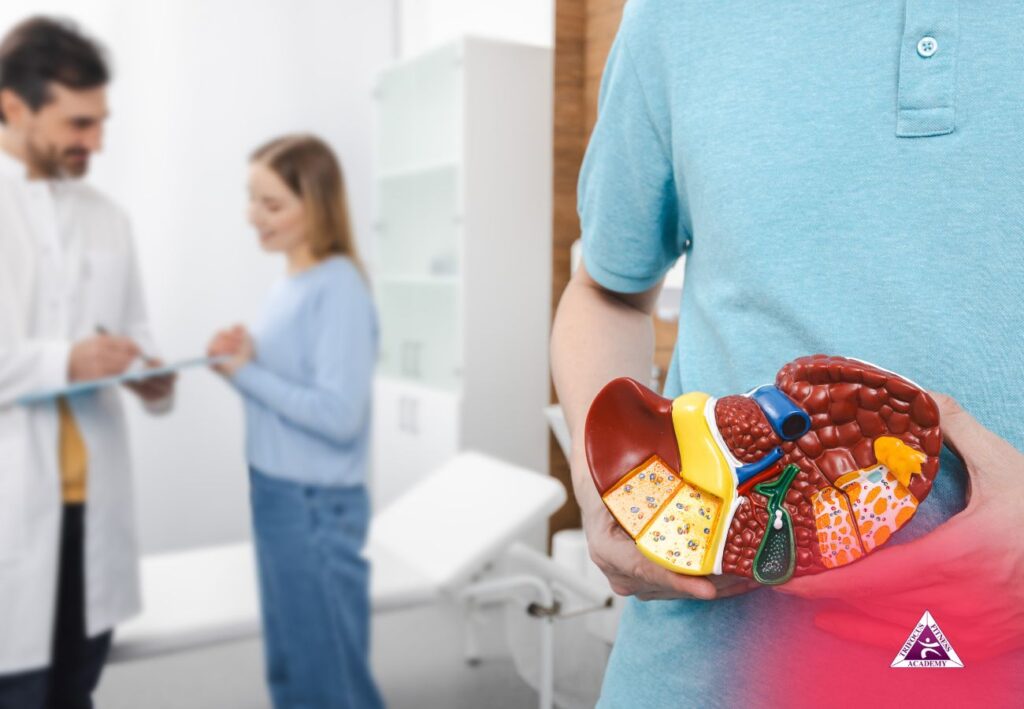
The liver is one of the most industrious organs in the body. It detoxifies, metabolises nutrients, regulates metabolism, aids digestion, balances hormones and purifies the blood. The liver bears an extensive workload – yet, each day, few are aware of how much their diet affects its function. If the liver is compromised because of stress, drugs, processed foods, alcohol or environmental threats, its detox function would naturally be reduced. This will directly impact your energy, digestion, skin clarity, hormones, and overall health. Targeted nutrition provides an individualised approach to support hepatic (liver) detoxification by supplying the body with specific nutrients required for healthy detoxification processes, repair mechanisms and protection from future damage.
Diet is more than just general eating advice; it refers to specialised nutrition. Instead of general advice like “eat healthy,” it focuses on specific foods and nutrient ratios that support liver detoxification pathways, reduce inflammation, balance blood sugar, and promote cellular repair. Because everyone’s lifestyle, genetics, stress levels, and health background are different, individualised nutrition personalises the diet to suit the liver’s specific requirements. This tailored process makes it easier for the liver to cleanse itself of toxins and allows it to return to normal after being overloaded.
Understanding the Liver’s Detoxification Process
To understand how specialised liver detox nutrition works, it is helpful to have a basic understanding of the liver. Detoxification occurs in two major phases, each of which depends on specific nutrients.
Detoxification: The Dirty on Toxins
In this stage, the liver transforms toxins into intermediate molecules. They get more chemically active and, in some cases, can end up being worse if we do not treat them quickly. Antioxidants are needed in phase 1 to quench the free radicals formed during this process. At such times, the body requires nutrients (such as vitamin C, B vitamins and antioxidants) from which to ‘burn’ energy to protect against oxidative damage.
Detox: Gill Neutralisation & Toxin Extracting
Phase 2 then converts these reactive byproducts into water-soluble compounds that the body can eliminate in urine or bile. The second phase relies on proteins, sulphur-containing foodstuffs and minerals. Specialised nutrition to supply the body with substances like glutathione, glycine, taurine, and cysteine to facilitate detoxification.
The Role of Phases as a Balance
For detoxification to be efficient, both these phases need to be in balance. But if phase 1 speeds up and phase 2 slows down, you can end up with a buildup of toxins. Medicinal nutrition concentrates on achieving equilibrium in the nutrient content to counteract this system failure.
If we understand that this is indeed the case, then it’s easy to see why, when it comes to liver detoxification, nutrition really must be targeted.
Key Nutrients in Specialised Nutrition That Support Liver Detoxification
The liver requires a steady stream of targeted nutrients to maintain effective detoxification. Specialised nutrition is designed to fill gaps and provide your diet with the appropriate building blocks.
Antioxidants for Protection
Antioxidants can protect your cells from free radicals generated during detoxification. Liver cells are protected by foods high in vitamin C, vitamin E, selenium, and flavonoids. This would be berries, citrus fruits, spinach and nuts.
Amino acids for Phase 2 Detoxification
Excellent antioxidants, these amino acids also help synthesise glutathione—the body’s “master detoxifier.” Optimum nutrition supports lean protein sources, such as fish, eggs, poultry and legumes, to help deliver amino acids.
Sulphur-Containing Foods
While Sulphur supports detox pathways and the creation of glutathione, things such as garlic, onions, broccoli, kale, and cabbage are traditional foods for targeted nutrition to support the liver.
Detox Enzyme Fuel: B Vitamins
The liver depends on B vitamins for the energy required to produce toxin-neutralising enzymes. Specialised nutrition provides whole grains, green leafy vegetables, nuts and seeds to help these communications.
Healthy Fats for Bile Flow
Bile is critical for the elimination of fat-soluble poisons. Omega-3s and healthy monounsaturated fats support the liver in producing good-quality bile, while lowering inflammation.
When you focus on consuming these nutrients, the liver can remove more toxins, leading to better energy, clearer skin, and a healthier metabolism.
Foods That Strengthen Liver Function in Specialised Nutrition
Specialised nutrition strategically applies food to help enhance liver health. These are the groups that are crucial to support detoxification:
Cruciferous Vegetables
Cruciferous vegetables such as broccoli, cauliflower, kale, cabbage and Brussels sprouts enhance Phase 2 detoxification and decrease inflammation. They are rich in glucosinolates, which aid enzyme activity.
High-Fibre Foods
Fibre absorbs toxins in the gut and carries them out of the body so they are not reabsorbed. Try oats, beans, apples and leafy greens to help naturally detox the liver.
Citrus Fruits
Lemons, grapefruits and oranges help promote the production of digestive enzymes and support antioxidant function.
Turmeric and Ginger
These anti-inflammatory spices support liver enzymes, reduce oxidative stress, and drive detoxification.
Green Tea
With lots of catechins in, green tea protects liver cells and improves metabolism.
Healthy Fats
Like avocados, walnuts, flaxseeds and olive oil help keep inflammation down and support fat metabolism.
Water-Rich Foods
Toxin elimination is dependent on hydration. Cucumbers, melons, leafy greens and soups help keep you hydrated.
This is not a temporary detox but part of a long-term healthier you, with a stronger, more resilient liver.
How Specialised Nutrition Creates a Personalised Liver Detox Plan
Detox is different for everyone. Specialised nutrition constructs a plan after considering lifestyle, stress, medical history and symptoms.
Evaluating Detox Symptoms
Fatigue, skin problems, headaches, bloating, hormonal imbalances and a sluggish digestive system could be your first signs that it’s time for a liver detox. Specialised nutrition looks at markers indicative of liver stress.
Stabilising Blood Sugar
The liver is overloaded by glycolytically unstable blood sugar. A customised, data-driven plan provides a balance of carbohydrates, proteins and fats so the liver is not under strain; it also regulates insulin.
Supporting the Gut-Liver Axis
The liver and the gut are in cahoots. If the gut is inflamed or out of whack, the liver compensates. Specialised nutrition includes probiotics, prebiotics, and gut-healing foods for liver detoxification.
Reducing Inflammatory Foods
As processed sugar, fried foods, alcohol, refined grains and artificial additives also burden the liver. For each person, a personalised plan aims to address some of these triggers.
Promoting Consistency, Not One-Time Fixes
Specialist nutrition is not about extreme detox; instead, it focuses on body-friendly eating patterns that help the liver remain strong over the long term.
This individualised approach allows the liver to receive the support it needs without compromising other areas.
Conclusion
The liver is involved in nearly every process that sustains the body, and a healthy liver helps to maintain one’s general health. It’s a sieve for toxins, aids digestion, moderates hormone levels, stores nutrients, and stimulates metabolism. When the liver is stressed or overwhelmed, it translates into systemic effects. Specialised nutrition provides a natural and powerful way to support liver detoxification by delivering the nutrients the liver needs to function optimally. Rather than temporary cleanses or restrictive detox plans, professional nutrition is all about long-term nourishment, balance and your daily health.
Specialised nutrition provides support for both liver detoxification phases through targeting antioxidants, amino acids, healthy fats, fibre and micronutrients. Specific foods help reduce inflammation, stimulate bile production, protect liver cells, and aid in the elimination of waste. This approach also hits blood sugar balance, gut health and inflammatory switches (three critical factors for optimal liver function) hard. By personalising the plan according to a person’s lifestyle habits, stress levels, medical history and other metabolic parameters, it is much more effective.
Contact the Trifocus Fitness Academy
The Trifocus Fitness Academy offers qualifications that are accredited and endorsed both locally and internationally. The Nutrition Course is designed for professionals with the skills and knowledge needed to find be a professional Nutritionist.

Frequently Asked Questions
Specialised nutrients support the body’s natural two-phase detoxification process. It contains antioxidants to protect liver cells, amino acids for glutathione production, good fats to carry bile for excretion, and fibre to bind waste. Rather than extreme cleanses, specialised nutrition supports your body with a balanced, personalised program that gradually rebuilds liver function.
Specialised nutrition emphasises nutrients such as vitamin C, B vitamins, selenium, omega-3 fats, and amino acids such as cysteine and glycine. These nutrients help promote detox enzyme activity, free radical protection and the production of glutathione, the liver’s primary toxin neutraliser. Fibre plays a vital role in the body’s waste management system. Nutrition that supports detox includes cruciferous veggies, citrus fruits, lean proteins, and fats to help keep detox pathways functioning.
Yes, targeted nutrition can help reduce symptoms of liver congestion, such as tiredness, bloating, headaches, skin rashes, and poor digestion. Specialised nutrition supports detoxification by providing the liver with all its needs to eliminate toxins. More antioxidant-rich wholefoods, fibre, hydration and healthy fats help the liver work more efficiently. Symptoms gradually improve as detox channels strengthen and people become physically more energised and balanced.
Functional food suggestions include cruciferous vegetables, berries, citrus fruits, garlic and its relatives, green tea, turmeric, leafy greens (the darker the better), walnuts and beans for liver health. These are detoxification pathway supporters and antioxidants that help create glutathione. Fibre decongests waste, and healthy fats help support bile flow. This is where functional nutrition comes in: Foods such as these are used consistently, not as part of some extreme detox diet, to support the liver’s daily job.
Yes, specialising your diet is better than a general detox for achieving a clean liver, because rather than restricting or depriving yourself, you are actually feeding and supporting good, long-term liver function. Blitzing the body so soon after all that excess, without proper nutrients, isn’t healthy; it also puts the liver under extra strain. Unique nutrition offers the vitamins, minerals, antioxidants and amino acids needed for proper detox.
Most people see and feel positive changes in a few short weeks through pure nutrition, including increased energy, improved digestion, and clearer skin. However, fundamental changes in liver detoxification may require one to three months due to lifestyle, stress, and/or medium-term health concerns. Specialised nutrition is individual – progress depends on consistency and your body’s ability to heal. Long-term gains persist as the liver strengthens and becomes more efficient.