
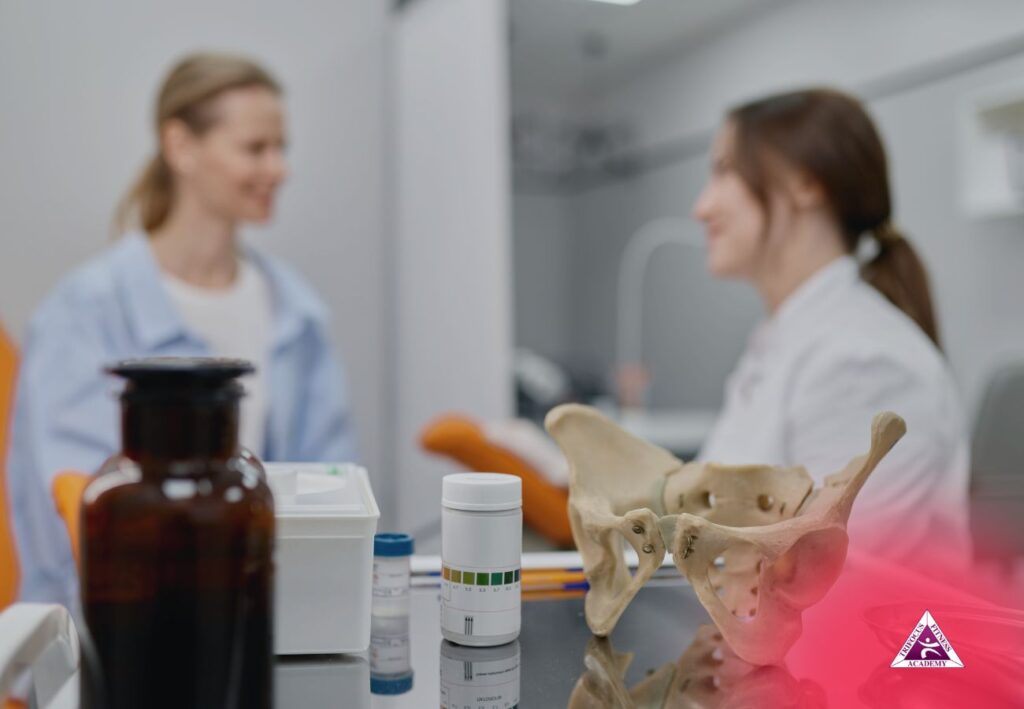
Healthy, active living requires strong bones! As we get older, the maintenance of bone mass becomes more and more important to avoid osteoporosis—a condition of fragile bones and increased fracture incidence. Genetics and lifestyle are factors, but one of the most potent tools we have in preserving bone density is nutritional. Taking in special nutrition guides individuals in the right direction, enabling them to get proper nutrients in the required amounts to maintain bone health at all age levels.
(This is why osteoporosis is sometimes referred to as a “silent disease,” since there are no symptoms of bone loss until a fracture occurs.) Specialised nutrition as preventive medicine can decrease that risk dramatically. It centres on foods that offer the most nutrients for their calorie — the ‘most bang for the buck’, so to speak — and how we can augment this with intelligent supplementation and by getting more nutrients out of our food. This is particularly important in women after menopause, older adults or individuals at increased risk for low bone density.
Prioritising Calcium and Vitamin D Intake
Calcium and vitamin D are integral to specific dietary interventions for bone health. It is so easy to think about the adult skeleton we all know – older men and women who break bones and hunch over with age – but we can forget the relationship between the amount of calcium in our bones and the amount that is not in our bones. Vitamin D is important because it increases calcium uptake in the intestine and is involved in bone remodelling and repair.
The specialised nutrition field suggests that adults should receive 1,000 to 1,200 mg of calcium daily, depending on a person’s age and sex. These come in the form of dairy products such as yoghurt, cheese and milk (though for those with dietary restrictions, fortified plant-based milks, leafy greens, almonds and tofu get the job done). Vitamin D is not as easily ingested through food and sunlight, and supplements form an important part of specialised nutrition counselling.
Many of my colleagues, as dietitians, have access to vitamin D testing through blood tests and can prescribe vitamin D to bring a person from a deficient (or insufficient) level to an optimal level. You may need to take supplements if you live in a colder climate or do not get regular sun exposure. Moreover, specialised nutrition values timing, and combinations — we all know that magnesium and vitamin K2 go together for absorption, and as a bone mineralisation process.
Specialised nutrition delivers an effective strategy for meeting calcium and vitamin D requirements safely and consistently, decreasing the risk of osteoporosis and supporting optimal skeletal health across the life course.
Balancing Protein and Key Micronutrients
Although calcium and vitamin D receive much attention, specialised nutrition knows that bone health requires a wider spectrum of nutrients – including protein, magnesium, phosphorus, zinc, and vitamins K2 and C – that integrate with calcium to facilitate a strong bone matrix.
Protein assists with bone formation by promoting growth factors and repairing bone tissues. Opposite of the old myths, getting a good balance of protein, especially from various sources such as legumes, fish, dairy, and lean meat, is good for bone density and not detrimental. Specialised nutrition enables people to calculate the required protein for their age, activity level and general health status.
Mineralisation requires magnesium and phosphorus, and vitamin K2 directs calcium into bone instead of soft tissues. Zinc helps the bones regenerate, and vitamin C builds collagen, an important part of bone flexibility. Specialised nutrition ensures that such nutrients are provided in the right balances and from bioavailable forms.
Supplements are advised if enough cannot be consumed via diet, but whole food sources are stressed whenever possible. Specialised dietitians also assess diet patterns to limit excessive sodium, caffeine, and alcohol intake, which can all impact bone health.
Through strategic nutrition, specialised nutrition optimises the body’s protection thanks to essential nutrients, allowing the bones to defend themselves better and deplete less quickly as time goes on.
Incorporating Bone-Supportive Foods into the Diet
Specialised nutrition emphasises the use of bone-friendly food in its food plan. Rather than simply emphasising individual nutrients in isolation, it advocates for whole foods that provide a natural, harmonious blend of vitamins, minerals, and antioxidants that have been shown to contribute to bone health.
Dark, green leafy vegetables such as kale, collard greens and bok choy contain calcium, magnesium and vitamin K. Fatty fish, like salmon and sardines, provide vitamin D and omega-3 fatty acids to decrease inflammation that affects bone turnover. Nuts and seeds, such as almonds, chia and sesame, contribute healthy fats and important micronutrients, including magnesium and phosphorus.
Fermented foods such as yoghurt and kefir help gut health, so nutrients are absorbed, which is the prime concern in specialised nutrition. Beans and lentils provide plant protein, zinc, and magnesium and are simple to add to soups, salads, and meals.
Specialised nutrition also recommends herbs and spices such as turmeric and ginger to counter inflammation and help keep your bones healthy. Collagen-rich bone broth is frequently added for its influence on the bone matrix.
Meals prepared with specialised nutrition offer variety and balance. For instance, a bone-friendly meal could be grilled salmon with a kale and quinoa salad and a yoghurt parfait with almonds. This integrated perspective allows people to savour tasty meals and great nourishment sources for the bones.
Lifestyle Integration for Long-Term Bone Strength
Nutrition is but one piece of the puzzle of bone health. Targeted nutrition includes eating and coaching to increase the effectiveness of the diet. Exercise, sleep, sunlight exposure, and stress management are all factors which affect bone density and should be accounted for in a well-designed plan.
Weights and resistance exercises — walking, dancing, weight lifting, yoga — spur bone formation. Food plans specific to training also go hand-in-hand with exercise to fuel work in energy and essential nutrient requirements. For instance, after exercise, you consume foods high in calcium and protein, which are effective in helping you recover and build and repair your bones.
There is also a role for proper sleep and stress management in hormonal balance, which modulates calcium balance and bone metabolism. Specialised nutritionists may suggest adaptogens, magnesium foods, or calming herbal teas to help with relaxation and sleep.
The body produces natural vitamin D when the skin is directly exposed to sunlight. Nutrition Condition-focused nutrition promotes safe sun practices and supplementation when necessary. For those who are mobility- or health-compromised, dependent on a wheelchair, or spend prolonged time indoors, ensuring sufficient vitamin D intake is important.
The idea is to make it stick long term. Specialised nutrition helps to make bone health strategies possible, attractive and feasible! This includes personalised meal plans, shopping lists, reminders and habit tracking to keep it up. With this “whole life” approach, people can maintain strong bones and reduce fracture risk well into late life.
Conclusion
While the long-term health of your bones is often forgotten, specialised nutrition makes it a priority with simple, personalised plans. By focusing on maximising calcium and vitamin D intake, fortifying protein intake and micro-nutrients, including key bone-supportive foods, addressing lifestyle factors and creating a basis for life-long skeletal strength.
Combining evidence-based recommendations with personal preference and health requirements, medical nutrition therapy provides a path to osteoporosis prevention and preserving mobility, strength, and independent living. No matter your age (if you’re in your 30s trying to prevent it or in your 60s looking to maintain bone mass), it’s never too early or late to make moves.
Contact the Trifocus Fitness Academy
The Trifocus Fitness Academy offers qualifications that are accredited and endorsed both locally and internationally. The Nutrition Course is designed for professionals with the skills and knowledge needed to find be a professional Nutritionist.

Frequently Asked Questions
The prescription of specialised nutrition: Individualised meal-planning customised to a person’s health, behaviours and nutritional requirements. Regarding bone health, this means ensuring you get adequate amounts of key nutrients such as calcium, vitamin D, magnesium, protein, and vitamin K2. Each component acts in concert to form and preserve bone density and architecture. Specialised nutrition programs also consider absorption issues, the potential impact of medications, alterations in hormones, and age-related changes that impact skeletal strength. A registered nutrition professional combines dietary analysis, lab work, and lifestyle evaluation to establish a plan to meet bone health needs that effortlessly integrates into the client’s life.
Adults should aim for 1,000–1,200 mg of calcium and 600–800 IU of vitamin D daily, although individual needs may differ depending on age, gender, health status and sun exposure. Specialised nutrition means these can be met via food first—dairy products, leafy greens, fortified plant milks, tofu and fish with bones, such as sardines, are all good sources of calcium. Because vitamin D is not as abundant in foods, sunlight and supplements are often key. A nutritionist can check blood levels of vitamin D and advise targeted supplements if blood levels are low. Specialised nutrition also considers absorption and makes nutrient pairings for optimal absorption (i.e. Vitamin K2 & Magnesium with calcium).
Protein is an essential, critical nutrient for bone health. Older thinking held that consuming large amounts of protein could pull calcium from bones; what current research—and specialised nutrition—indicate is that protein is necessary to sustaining bone structure and mass, as it provides the building blocks of bone tissue (amino acids) while also supporting muscle strength: the stronger your muscles, the more stable your joints, and the less likely you’ll fall. Specialised nutrition helps address shortfalls in the diet to help ensure people get the right amount of high-quality protein through various plant and animal sources, such as legumes, nuts, dairy, fish, poultry, and lean meat, and enough calcium to support mineral balance.
In addition to calcium and vitamin D, bones need other nutrients to support strength and integrity. Specialised nutrition highlights magnesium, which helps in calcium metabolism; vitamin K2, which enables direct calcium into bones rather than soft tissues; and phosphorus, which collaborates with calcium in building the structure of the bone. Zinc is a necessary mineral for bone healing, and vitamin C makes collagen, the tough part of the bone that helps provide structure. Consuming these nutrients in the right proportion is necessary to act effectively. Specialised nutrition is important for them to achieve these through leafy greens, seeds, nuts, eggs, citrus fruits, fish, and whole grains. You can always ask to supplement an area if your diet isn’t enough.
Specialised nutrition becomes part of therapy and fracture prevention once diagnosed with osteoporosis. It aims to increase bone mass, prevent further loss, and improve overall bone and muscle function. An individual plan could include increased consumption of calcium, vitamin D, and adequate protein, and deficiencies, when present, being corrected by food or supplements. Specialised nutrition also considers drug-nutrient interactions, digestive problems, and comorbidities that may influence absorption and bone metabolism: planning meals that support bones, and some realistic ideas for sticking with it. If someone cannot move well or has lost their appetite, the focus is on nutrient-dense meals.
Absolutely. Bone health is more than just food; specialised nutrition includes lifestyle advice. Weight-bearing and resistance-based exercise is essential because it encourages bone formation and density. This is complemented by specialised nutrition, which optimises energy and nutrient provision for activity and recovery. Rest and stress are two other aspects of regulating bone metabolism via hormones. Prolonged stress or lack of good-quality sleep can disturb calcium balance and lower bone-forming activity. Specialised nutrition can help both a food-first approach, like magnesium-rich foods and soothing herbal teas. Sunshine vitamin D is also taken into account and supplemented as appropriate.