
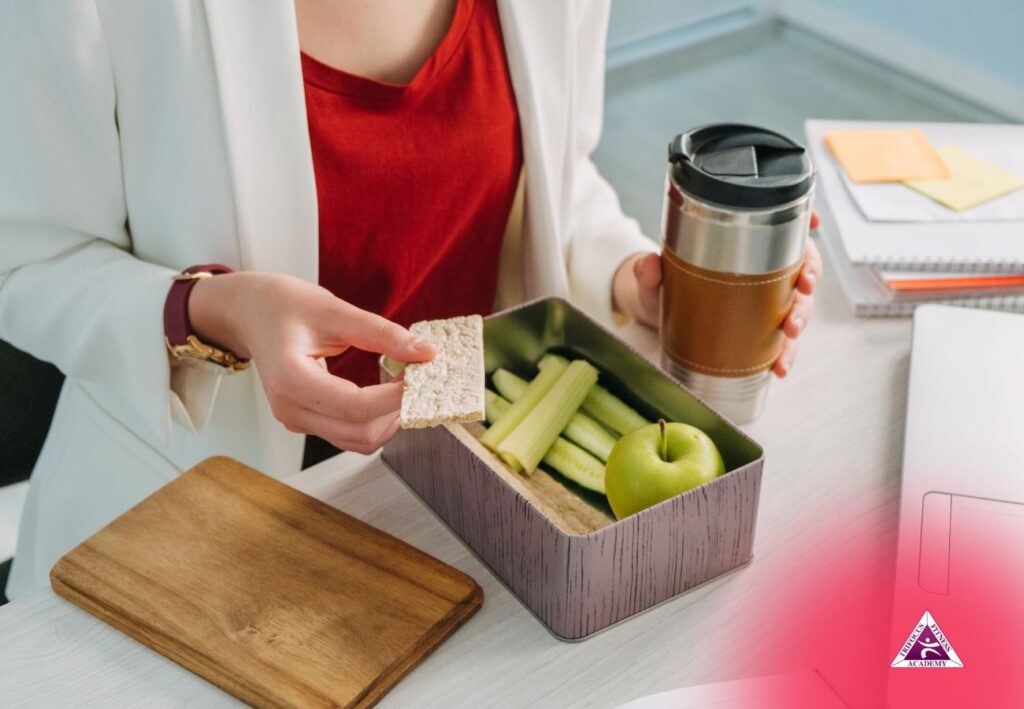
Snacks can be a vital part of daily eating plans, helping to keep energy levels up, appetite under control, and the right amount of nutrients in your system. Processed foods high in added sugar, refined carbohydrates, or saturated fat can give a short-term energy boost but may not contain many nutrients. You can approach snacking more strategically as part of a Specialised Nutrition framework, considering individual goals, dietary needs, activity levels, health requirements, and lifestyle demands.
Smart snacking isn’t about cutting back on how much or what types of food you eat. Instead, it is about choosing nutritious, diet-appropriate snacks. This may mean choosing snacks with protein, fibre, healthy fats, fruit and vegetables, whole grains, or other nutrient-rich foods, depending on the individual. The best snack depends on the time of day. The energy a person needs before exercise may differ from what someone needs for a filling afternoon snack between meals. Likewise, those with certain dietary restrictions, allergies, medical needs, or performance objectives might require a more individualised strategy.
Match Snacks to Their Purpose
A good Specialised Nutrition strategy starts with: why are you eating the snack? Different situations may require specific nutrient mixes, and the right nutrients in the right snack may work better when integrated into a complete diet.
If you need a filling snack between meals, protein and fibre might help you feel fuller. This can include plain yoghurt and fruit, hummus and vegetables, a small amount of nuts with an apple, or wholegrain crackers with cottage cheese. These combinations are more nutritious than snacks made mostly of refined carbohydrates. Easy-to-digest carbohydrates, especially when followed by activity, may be more important for pre-exercise snacks. A banana, a little nut butter on toast or a yoghurt with fruit can offer some good energy without the extra weight.
Depending on the intensity and length of exercise and when the next complete meal is scheduled, a carbohydrate-protein snack after exercise might help recovery. Specialised Nutrition also understands that not everyone needs planned snacks. Some people may get their daily nutrients from regular meals. In contrast, others may need more meals throughout the day because of high activity levels, a long workday, low appetite, or specific dietary needs.
Build Snacks Around Nutrient-Dense Combinations
A snack’s nutritional value depends on what it contains and how it’s combined. Snacks can fit into a Specialised Nutrition framework, where you target a comprehensive profile of protein, fibre, healthy fats, vitamins, minerals, and appropriate carbohydrates in the snack rather than just one. A good place to begin is fruit, as it is a good source of carbohydrates, fibre, vitamins and plant compounds. You can add protein and healthy fats by pairing fruit with yoghurt, nuts, seeds, or nut butter. Serve with a savoury dip such as hummus, cottage cheese or another protein-rich dip.
Wholegrain foods may be part of a healthy snack. Wholegrain crackers with cheese, toast with avocado and egg or oats with yoghurt and fruit offer a more sustained supply of nutrition than highly refined snack products. Food volume is still a consideration. Nutritious foods that are relatively energy-dense can offer a good source of nutrients, including nuts, seeds, nut butters and cheese. The right amount differs from person to person, depending on their overall energy needs and dietary goals. Consider quality and quantity when planning Specialised Nutrition. Snacks don’t have to be complicated or costly! A few simple combinations of minimally processed foods can provide nutrition if chosen based on the person’s needs and included appropriately in the overall eating pattern.
Plan Snacks for Busy and Active Lifestyles
Convenience strongly influences food choices, especially when time is tight, on the go, during travel, study, or activity. However, Specialised Nutrition can help you stay consistent by incorporating a practical snack-planning session instead of leaving it to whatever snacks are available when hunger strikes. Having healthy snacks on hand ahead of time can make it less tempting to rely on vending machines, fast food, or processed convenience foods. Portable snacks include fruit, unsalted nuts, roasted chickpeas, yoghurt, wholegrain crackers, boiled eggs, vegetable sticks, or suitable snack bars. The best options will vary based on storage options, allergies, nutrition preferences, and personal dietary requirements.
Those with busy schedules may also find it helpful to keep appropriate snacks near important places like a workspace, gym bag, car, or study space. This makes it easier to stick to planned meals when they are delayed. For active people, carbohydrate and protein needs may change around training. But big snacks aren’t necessary during exercise. This should be based on activity level, duration, total daily intake, and the timing of food around the activity. Specialised Nutrition is thus a marriage of nutritional quality and practicality. It’s not as useful as a simple, balanced snack you can eat regularly when needed. Planning means individuals can make food choices with purpose, not simply because it’s the easy path or because they’re hungry.
Adapt Snacking to Individual Dietary Requirements
One of the main tenets of Specialised Nutrition is that snacking advice should be tailored to the individual. Sugar requirements, allergies and food intolerances, activity level, energy expenditure and personal goals, and age can all affect which snack choices are appropriate. A vegetarian person might grab a hummus wrap with vegetables, a sella osteria with fruit or soya yoghurt, roasted chickpeas or wholegrain toast with nut butter. Dairy and nut allergies will require dairy substitutes (fortified) and nut substitutes (where applicable).
For individuals with higher energy needs, more substantial snacks packed with whole grains, healthy fats, and protein may be beneficial. A person who eats a healthy diet daily might prefer a lighter meal or may not need extra snacks. Specialised Nutrition can take appetite patterns into account. Others get really hungry later on in the day and end up eating too much at dinner. Some people are so hungry in the late afternoon that they struggle with their dinner portion sizes.
Planning an earlier snack can help establish a more manageable eating pattern. People may find that snacking a lot may mean they are not hungry for a well-balanced meal. Medical conditions can also affect snack choices. People with diabetes, digestive problems, kidney disease, food allergies and other ailments may need assistance from the appropriate qualified dietitian or health care worker. There’s no definitive list of the best snacks. Good planning considers the person’s needs, when they will eat the snack, and how it fits into the overall diet.
Conclusion
Smart snacking, when planned, can positively influence a balanced diet. Snacks are not a standard part of the day, but are chosen within a Specialised Nutrition framework based on the individual’s energy needs, desired nutritional outcomes, activity level, preferences, and health. A great tip is to pair snacks with their purpose. A between-meals snack might be rich in protein and fibre, while an exercise snack might be more easily digested carbs. Recovery snacks can include a mix of protein and carbohydrate, depending on the activity type and timing.
Contact the Trifocus Fitness Academy
The Trifocus Fitness Academy offers qualifications that are accredited and endorsed both locally and internationally. The Nutrition Course is designed for professionals with the skills and knowledge needed to find be a professional Nutritionist.

Frequently Asked Questions
Specialised Nutrition helps people choose snacks based on the energy they need, their activities, preferences, health needs, and overall diet, rather than convenience.
A balanced snack typically includes beneficial nutrients like protein, fibre, healthy fats, or suitable carbohydrates. This can include fruit and yoghurt, veggies and hummus, or wholegrain crackers with cheese.
Specialised Nutrition helps active people choose snacks suited to their activity type and intensity, timing, and daily intake for optimal energy and recovery.
Fruit, yoghurt, unsalted nuts, roasted chickpeas, boiled eggs, vegetable sticks, wholegrain crackers or appropriate snack bars can be provided as portable options. A long-term plan can make it easier to choose healthy options.
No. Some people get their daily nutritional requirements from meals and may not need snacks. Others may need planned snacks because of increased activity, long work hours, or higher energy demands.
Portion size helps ensure snacks don’t accidentally add to excess daily energy needs. Nutrient-dense foods like nuts, seeds, cheese, and nut butters offer great nutrients but are also energy-dense.