
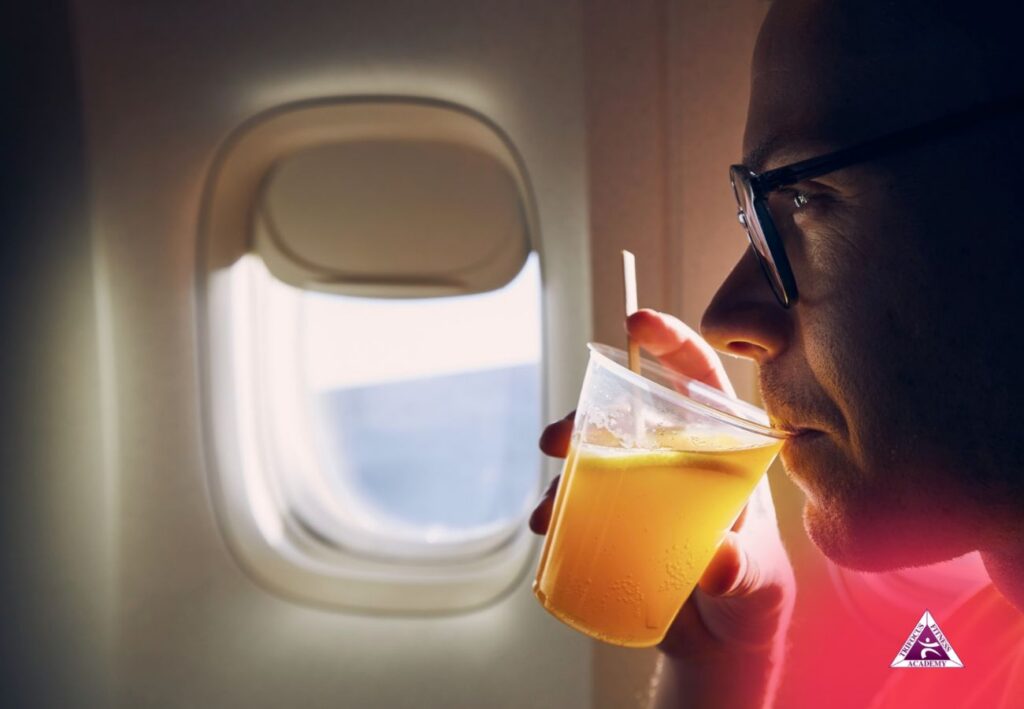
Constant travelling can make it difficult to stick to an eating schedule. Extended flights, different time zones, unfamiliar restaurants, varied schedules, limited airport options, and disrupted sleep can affect meal timing. These challenges can be more important for those with Specialised Nutrition needs since appropriate meals may not be readily available. Specialised Nutrition can include food allergies or intolerances, medical dietary needs and requirements, or other specific dietary needs.
If travellers frequently cross borders between cities or states, it pays to plan rather than rely solely on what’s available at an airport, hotel, conference centre, or roadside stop. Good travel nutrition isn’t about following a strict diet plan for every trip. A more sensible approach is to keep key dietary needs in mind while allowing enough flexibility to handle new circumstances.
Plan Specialised Nutrition Before the Journey Begins
Often, successful Specialised Nutrition when travelling frequently starts at home. If you know the approximate travel times, flight duration, accommodation facilities, and available food, you are less likely to make choices because no other food is available. Travellers can research airport restaurants, airline meal options, and local supermarkets and restaurants near the hotel. If an airline offers advance meal selection, requests should be made early, wherever possible. However, individuals with severe allergies should not assume that a special meal request will completely rule out allergens.
Carrying appropriate non-food items as snacks can be an extra layer of protection. This could be unsalted nuts or seeds, wholegrain crackers, protein-based snacks, dried fruit, or other foods that fit the traveller’s nutrition plan. Always check international customs and agricultural restrictions before importing food items from other countries. It’s possible to plan for meals that are consistent, rather than flawless. Someone might not be able to have the same breakfast they normally eat, but they can still eat a breakfast with the right balance of protein, carbohydrates with more fibre, fruit and vegetables, and suitable fats.
Maintain Hydration and Regular Eating While Travelling
Travel can disrupt normal eating and drinking routines. People may not eat or drink as normal if they have to make last-minute changes to their travel plans or if their flights change. Specialised Nutrition planning should therefore also include hydration and the practical timing of meals, not just the food. The NHS recommends that most people drink regularly throughout the day, and increase their fluid intake in hot weather, during heavy exercise, pregnancy, or sickness. Water is usually an effective choice for hydration. Taking an empty reusable bottle through airport security and refilling it afterwards can make it easier to drink regularly on long-distance trips.
However, travellers should consider local water safety at their destination. CDC travel advice suggests using factory-sealed or properly treated bottled water if tap water safety is unknown. Ice, raw produce rinsed in unsafe water, and drinks made with unsafe water can also cause infection. Eating habits can also change across time zones. Instead of sticking to strict mealtimes, travellers can eat according to local times while still meeting any medical or nutritional needs.
Make Safer Food Choices in Unfamiliar Destinations
Local food is also part of travelling, which can be fun, but when Specialised Nutrition is not being undertaken at home, food safety cannot be overlooked. A nutritious meal is of little value if it increases the risk of foodborne illness. CDC’s 2026 Yellow Book recommends caution with raw or undercooked meat, seafood, eggs, unpasteurized dairy and raw produce in areas with questionable sanitation. Whenever possible in higher-risk environments, fully cooked food served hot is safer.
People with food allergies must be extra prepared. If you’re travelling, it may help to know how to communicate the allergen in the local language and to carry written information that clearly explains what to avoid. Cross-contact can also happen in the absence of the main allergen, so the food service worker should know where an allergy might lead to a serious reaction.
This is especially important when serving foods at buffets, where foods can get too hot, or utensils can be placed in different foods. To follow CDC recommendations, select foods that are hot or cold, not lukewarm. Individuals travelling should also consider the dietary requirements of travellers unfamiliar with the food. People who follow a particular diet, such as a sodium-controlled, gluten-free, or low-carbohydrate diet, may need to ask about sauces, seasonings, cooking techniques, or hidden ingredients.
Create Flexible Routines for Hotels, Airports and Business Travel
Frequent travellers often choose convenience foods when they spend significant time in places that offer them. Life at the hotel, in the airport lounge, at a conference, at the client’s dinner and when ordering takeout can make it tough to maintain a normal routine. The best way to benefit from Specialised Nutrition is to get used to the flexibility of eating different foods in different places, rather than expecting the same food everywhere.
For instance, hotel breakfasts can offer a couple of components that can be combined to meet individual requirements. If a traveller’s breakfast is unavailable, eggs, oats, yoghurt, or other appropriate foods, fruit, whole-grain bread, vegetables, and other foods can be used to make a balanced meal. When looking for more convenient alternatives to traditional fast food combinations at the airport, you can find simpler options like sandwiches with suitable fillings, salads with a protein source, yoghurt, fruit, soups, or suitable pre-packed meals. When you need to monitor sodium, sugar, allergens, or other nutrients, reading the ingredient list and the health claims and nutrition information on the food label can help.
Business dinners are a different ballgame, since meal timing and the restaurant may not be under the traveller’s control. Always check menus in advance, and it is easy to ask for certain things like sauces, sides, cooking methods, and allergens without making them look out of place. Those with longer stays can also benefit from a place to stay with a refrigerator, microwave, or basic kitchen. A nearby supermarket can also help you control breakfast, snacks, and some meal choices.
Conclusion
A trip can easily disrupt your eating routine, even your good habits, but Specialised Nutrition doesn’t have to spiral out of control when you’re on the road for a few days or stepping onto a plane. One of the most helpful things is preparation. Planning meals and researching options, packing appropriate snacks, knowing the food rules at your destination, and planning for extended travel time can help minimise the need for inappropriate last-minute options. Hydration is also important to consider. Frequent travel and long flights can make it easy to forget to drink fluids regularly, and the climate and activities at your destination can increase your need for fluids.
Contact the Trifocus Fitness Academy
The Trifocus Fitness Academy offers qualifications that are accredited and endorsed both locally and internationally. The Nutrition Course is designed for professionals with the skills and knowledge needed to find be a professional Nutritionist.

Frequently Asked Questions
Specialised Nutrition can help travellers plan appropriate meals, snacks, hydration, and meal alternatives before travelling. This helps maintain key nutrition needs when things are hectic, schedules change, or you’re in airports, hotels, and new places.
The types of food will vary depending on the person’s needs, but practical suggestions include fruits, whole-grain crackers, suitable protein snacks, nuts, yoghurt alternatives, or suitable pre-packed meals.
Airport restaurants can be researched in advance, ingredient lists read, the right snacks brought, and travellers can choose menu items with the right levels of protein, carbohydrates, vegetables, and other nutrients to suit their needs.
Drinking water regularly can help maintain overall health during prolonged trips, especially in hot regions or during busy travel times. Travellers should also consider local water safety in unfamiliar locations.
Allergic travellers should always read ingredients carefully, make their needs known, be aware of cross-contact risk, and carry appropriate emergency medication (prescribed). It can also be helpful to know some common allergy-related words in the local language.
Flexible eating can include reviewing restaurant menus beforehand, requesting food changes, looking for meals that can be prepared in the room, and sticking to the same food items at every meal without trying to eat the same things.