
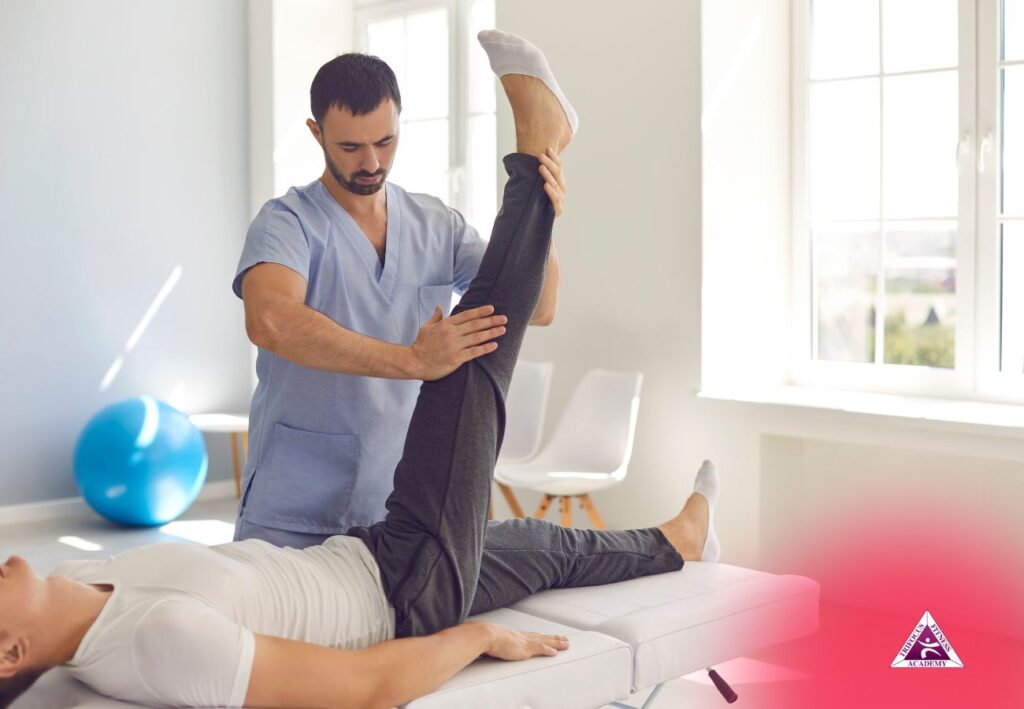
The path of sports injury recovery is always a tough one, and by saying this, I refer to both the physical and psychological aspects. So not only with the pain and now physical limitations, but there are emotional struggles as well; Frustration, feeling alone in your circumstances, and loss of motivation (to name a few). Physical therapy is the right choice for you, but the rehab process will require a more holistic treatment plan. The importance of Group exercises has existed as one of the most popular and effective mechanisms in injury rehab, combining a structured physical activity with social interaction & and Group emotional support.
Group workouts offer a setting for people recovering from sports injuries to participate in organised movements directed by licensed professionals, as well as the support of others managing parallel issues. This social feature shifts rehab from being an individual experience to a team one, which encourages interest and consistency. Not only does it boost the morale of participants to have peers who are heading in a similar direction with common goals and aspirations, but it also keeps them in the loop about how well others manage to stay committed to their program.
Group Exercises for Physical Recovery and Functional Strength
Strength, flexibility and proper movement patterns are some of the foremost goals that group exercises in rehabilitation aim to achieve. Exercises in Group class for injury recovery are usually well-planned, low-impact moves that will selectively target the muscles and joints that were used during your last session. These routines have been developed by fitness and physiotherapy professionals to help you heal without re-injury.
With group exercise, you are still able to get some progressive loading in work that can help patients begin to rebuild their strength in a safe and monitored environment. Movements are performed together (in sync). Muscles are trained for rhythm and timing, synchronous movements assist muscle memory & coordination. From the standpoint of patients recovering from ligament injuries, tendon strains or having had joint surgeries, keeping them in a group allows for gradual reconditioning.
Group class will also include tasks to help mimic everyday activities and sports-specific tasks. This is a way to ensure that rehab is not just gaining strength but also the ability to function at an athletic level. The group grows in momentum together, creating congruence, completion and freshness for all on their journey towards healing.
Psychological Benefits of Group Exercises in Injury Rehabilitation
One of the most under-addressed issues in rehabilitation from a sports injury is the psychological inflammation that goes along with physical inflammation. These feelings of isolation, anxiety about getting re-injured, and low self-esteem could substantially slow down the work. Group exercise counters these problems by fostering a culture of empathy and motivation.
Working out with others who are also rehabbing injuries gives you a feeling of brotherhood/ sisterhood and that you’re not alone. When others can deal with the same problem, that then motivates me and creates an attitude of resilience. The group setting also helps diminish our self-consciousness as nobody in class has the full range of motion.
Instructors in group workouts also use motivational techniques, positive reinforcement and goal setting to keep them engaged. Maintaining mental control is crucial to ensure the person stays true to their routine during the recovery period. Group exercises also provide a social element to the recovery process, turning what can be a primarily individual experience into a team activity.
Group processes improve emotional support that can decrease stress and depressive symptoms and promote hopefulness. These benefits, in turn, only help with overall recovery, as recovery is not just healing the body but also healing the soul.
Enhancing Mobility and Flexibility Through Group Exercises
Getting back to usual mobility and flexibility is crucial for recovering from a sports injury. Group exercises range from basic stretches and activities to more complex drills and movements, which are required in these cases to (re)establish the ability of movement. Regulated tests on the body are performed under professional monitoring to ensure progressive and healthy gains.
Our dynamic stretching sequence, incorporated into group exercise that includes movement amongst participants, results in improved lubrication of the joints and stretchability of the muscles, allowing better muscle elasticity. Proprioception, or the body’s sense of its position and movements, gets a boost if the movements are done in time with others, which is especially useful for ankle sprains, knee injuries, shoulder surgeries and any injury where balance and coordination are typically involved.
They are improving the release of tension, getting better at preventing scar formation, which forms scar tissue and improving the overall movement quality. By having the shared rhythm and collective effort, it has a highly motivating environment where participants can push through discomfort within safe boundaries.
With a dynamic warm-up and some mobility work, trainers can adjust exercises on the fly to address varying stages of recovery so that every group class can meet more individual requirements. So, by focusing on smooth and controlled movement, you can push your flexibility without re-injuring the area. Combined, the technique helps with long-term smooth motion and support for a lower injury risk.
Long-Term Injury Prevention and Lifestyle Integration with Group Exercises
A significant advantage of group exercise in rehabilitation is that it holds a long-term view towards both health promotion and injury prevention. The idea that rehab is completed because the pain has ceased. Maintaining your health and resilience for injury reduction through regular engagement in group training.
Such movements are taught in group exercises, which lead to constant drilling of these functional patterns and involve warm-ups ensuring the correct range of motion across all joints. By taking this rehabilitative approach, athletes and the general population (those who exercise in some form or fashion, whether it be sports, running, yoga, etc.) will be more prepared physically for the stresses of their sport or daily life.
And group exercises are a chance not only to learn more about body mechanics, posture, and risk factors but also to continue learning. Your movement IQ improves and helps you recognise when minor pain or discomfort is likely to become a real injury. The greater body awareness is a deep remembering, a return to wisdom, which leads to more thoughtful physical activity.
Another aspect of group exercise that is related to long-term adherence is the social element. Support and module participation helped maintain high levels of engagement through the rehabilitation exercises, resulting in them becoming included in a new approach to regular exercise. As participants work their way back, group classes can turn into more general fitness sessions, transitioning patients from rehabilitation to a current regimen of wellness.
Conclusion
One of the strongest tools that can be used in rehabilitation for recovery from sports injuries is group exercises. They propose a more holistic response that addresses the physical needs of healing as well as the emotional and psychological problems surrounding recovery. Group Exercise is using structured, low-impact movement to rebuild strength, mobility and functional fitness in a safe environment.
The synergy and encouragement derived from group dynamics encourage openness, endurance and a feeling of inclusion, all essential to maximising compliance in a rehab process. In addition to the immediate advantages of rebuilding physical health, group activities have a dramatic effect on psychological health. By sharing your recovery story with others facing the same struggles, you can remove the stigma of isolation and create a more positive environment.
Contact the Trifocus Fitness Academy
The Trifocus Fitness Academy offers specialised online and internationally accredited Group Exercise courses that have been designed to outfit professionals with all of the skills and knowledge needed to find success as a professional Group Exercise Specialist.

Frequently Asked Questions
The regimen of group exercise reinstates the process of physical healing by introducing disciplined, low-impact motions and postures that can help recuperate muscle, ligament and synovial qualities. The professionals have designed these moves to be harmlessly direct on your hurt regions and pain-free. Rehabilitation in a group setting works as an aid for continuous improvement and more advanced wellness. Dynamic movement circuits in a group setting and functional movements also replicate daily human activities, and the techniques that make those possible every day, as well as during sporting endeavours.
Yes, group workouts go a long way when it comes to mental health during injury rehabilitation. You become isolated and frustrated by the recovery from sports injuries; your self-esteem drops off as a trade-off. Exercises in a group form an environment where everyone experiences similar situations, enlivens the rest and gains belonging to something. This emotional bond helps to reduce anxiety and fosters resistance. This will motivate participants and uplift them, keeping them optimistic about the month.
Focusing on mobility and flexibility with active stretching, balance activities, and functional movement patterns. Experts direct these sessions so the exercises can be done safely and progressively. Coordinating your movements with a group improves these two things for sure, and they are crucial in recovering from joint/muscle injuries. Group exercises help participants to step out of their comfort zones slowly and safely, lessening stiffness and boosting movement efficiency.
Absolutely. Long Term Injury Prevention: Group workouts are crucial in long-term injury prevention by developing habits of adequate warm-up, stretching and functional movement patterns. They teach you about body mechanics and risk factors to promote mindful conduct by the participants. They also help in the long term to maintain general strength and flexibility once rehab is over. This human-centred quality motivates people to stick with the exercises long after rehabilitation while benefiting from the positive social environment it offers.
Yes, Specific stages such as pre-rehab and post-op can all be catered for with group exercises. The instructors adjust exercises to be more or less challenging depending on the abilities of participants in terms of mobility, strength, and endurance. This can also encompass physio or rehab exercises that you are not currently doing, plus add different levels of intensity. Early stage recovery, such as a gentle range of motion exercises, through to later stages, focusing on strength building and more functional movements.
Group therapies are much better than solo rehabilitation. A group environment supplies motivation, accountability, and emotional support that are often missing in solo workouts. Working out with others who are focused on recovery motivates you to stay active and hold each other accountable in a fun way. It also provides professional supervision from our instructors, ensuring you complete all exercises correctly and safely. Group workouts offer a form of structure, rhythm and consistency to rehab, which serve to reinforce your muscle memory and movement patterns.