
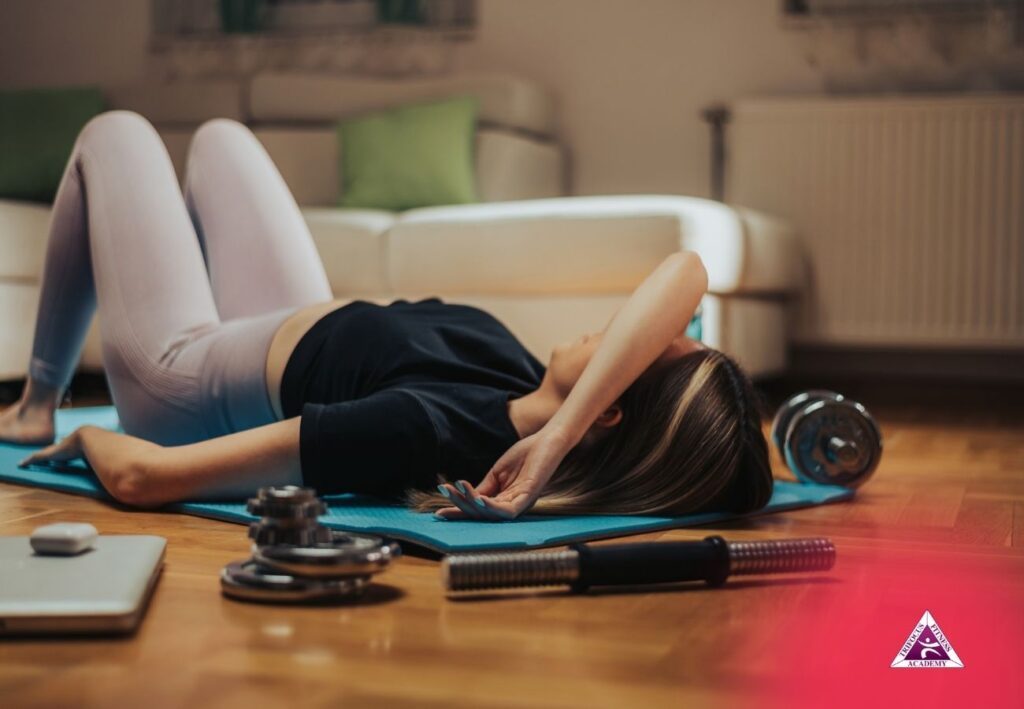
Sleep is the unsung hero of personal training, yet it’s vital for how the body responds, recovers, and grows. People seem to obsess over training intensity, program design, and eating, yet sleep is treated as optional or a close second. The fact is, training gains do not take place when you’re working out. It occurs during recovery, and the foundation of recovery is sleep.
When you train, you stimulate your muscles, joints, and your nervous system. This stress is needed to get better, but only if the body has enough time and other factors in place to repair and adapt. It’s during sleep that the body performs much of its healing. Even the most effective training plan can be sabotaged by insufficient sleep.
Think about energy, motivation, coordination, strength, hormone balance and mental focus. Insufficient sleep can inhibit performance in the gym, slow down fat loss, increase injury potential, and hinder muscle growth. Chronic sleep deprivation will eventually affect your ability to stay the course with those long-term fitness ambitions.
Quality sleep is a rare commodity in today’s lifestyle. Late-night screen time, high stress, irregular schedules, and a caffeine habit all get in the way of recovery. Many people have learned to accept poor sleep as part of life and, as a result, cannot fathom the implications it has for their training progress.
The Science of Sleep and Physical Recovery in Personal Training
Sleep is an engaged biological process, not just a quiescent state. The body goes through sleep cycles of light (child), deep, and REM (rapid-eye-movement) during a night’s rest. All stages contribute to physical and mental restoration; however, deep sleep is especially important for progress in personal training.
The body also releases growth hormone during deep sleep to help muscles repair, grow, and recover from exercise-induced damage. This is the period when flesh repairs itself, a process that makes us weaker after workouts. Without sufficient deep sleep, that reparative process gets waylaid, delaying progress and making you sore.
Sleep helps with protein synthesis, the body’s process of making muscles repair and grow. Personal Training causes microtears in muscle fibres, and sleep creates the environment that allows them to recover. Sleep deprivation slows this process down, irrespective of how good your diet and exercise are.
The nervous system also heals with sleep. Strength, coordination, and reaction time all depend on the health of the nervous system. Insufficient sleep impairs neural efficiency, leading to weaker weights being lifted, slower execution, and lower personal training quality.
Inflammation is another key factor. Exercise temporarily increases inflammation, which is normal and essential. Sleep is vital for balancing inflammation and preventing it from becoming chronic. Poor sleep can further elevate baseline levels of inflammation and impair recovery, and predispose to injury. Explaining the science of sleep shows why working out more can’t make up for getting less sleep. Progress in personal training is a matter of stress/recovery. Sleep is where that recovery actually occurs.
How Sleep Influences Strength, Endurance, and Performance
Physical performance is, of course, directly affected and quantifiably diminished by sleep. You not only lose strength and power, but also become less coordinated and have less endurance. Small changes in sleep duration/quality can disrupt training performance.
Resistance training involves both muscle strength and nervous system engagement. Lack of sleep decreases force production, causing a lift to feel heavier and halting gains. In the long run, it can hit plateaus or even regress despite continuous training.
Endurance performance is also affected. Lack of sleep reduces aerobic capacity and increases perceived effort. Workouts feel more difficult, heart rate rises more readily, and fatigue comes earlier. It’s challenging to maintain intensity and volume, especially when you’re conditioning or doing cardio-based training.
Balance and coordination are also impaired. Lack of sleep makes you slow and clumsy. This adds to the potential for technical breakdown in lifts or more technical movements, increasing injury rates. Mental prowess also plays a part. Sleep influences focus, motivation and decision-making. Lack of sleep makes hitting the training sessions, or at least doing them correctly, an undeniably bigger challenge. Consistency becomes harder to maintain.
Added to that must be hormonal balance. Sleep deprivation disrupts key hormones that regulate energy, the stress response, and muscle recovery. Cortisol levels may increase, while testosterone and growth hormone production may decrease. This hormonal milieu is not conducive to increased strength and reduced fat. When it comes to personal training progress, your sleep isn’t a passive variable. It directly influences how the body performs and responds to training stress.
Sleep, Fat Loss, and Body Composition
Sleep is a big deal for fat loss and body composition, generally even more than people often assume. Lots of people find that they can’t lose fat even though they are consistently training hard and eating sensibly. Very frequently, it’s shitty sleep that’s the missing link.
Sleep affects appetite-regulating hormones. Lack of sleep increases a hunger stimulator and lowers leptin, which signals when you are full. This hormonal change complicates the regulation of food intake and stimulates appetite, particularly for high-calorie foods.
Sleep also affects insulin sensitivity. Inadequate sleep adversely affects the body’s response to blood sugar; you become more prone to storing fat inefficiently and utilising carbohydrates poorly. If so, this might dull fat loss even when diets are calorie-controlled. Sleep reduces the energy you burn. Less intense training, less activity during the day and more fatigue all mean fewer overall calories spent.
Sleep also affects where weight is lost from. Some studies show that insufficient sleep during weight loss can lead to greater muscle loss and negative changes in body composition. Muscle loss slows metabolism and decreases the potential for long-term fat loss.
Stress plays a role as well. Lack of sleep increases levels of stress hormones, which can lead to fat storage, especially in the belly. The combination of chronic stress and sleep deprivation is the opposite of the environment you want to be in if body composition is your goal. For those of you training to lose fat, better sleep quality generally correlates with better outcomes without altering your workout or diet. Hormonal balance, recovery, and consistency all play a critical role in sustainable fat loss.
Improving Sleep to Support Personal Training and Recovery
Better sleep isn’t about getting it perfect, but let’s be real: It does take some effort. Minor, steady improvements can do wonders for sleep quality and personal training results. Regularising your wakingand bedtime helps you maintain an internal body clock. Erratic schedules contribute to sleep shots and poor-quality sleep, even if the hours add up. It also matters to create a sleep-supportive environment. A calm, dark, and quiet bedroom facilitates deep sleep.
Dimming lights (particularly screens) in the hour before bed can help ensure natural melatonin production. Evening routines play a role. Vigorous physical activity in the latter part of the day, caffeine and stimulating activities can all contribute to decreasing your chances of falling asleep. Moving more strenuous training to earlier in the day and providing sufficient wind-down time between sessions aids recovery.
Stress management is equally important. Mental stress can inhibit sleep and its depth. Then your nervous system can settle down into sleep with relaxation exercises, light stretching, or writing. Nutrition supports sleep as well. The overall amount and balance of meals, and avoiding large late-night meals, may also help achieve better sleep. Dehydration and very low-calorie diets can also affect sleep.
Keeping track of sleep patterns can help identify problems. People often underestimate how bad their sleep really is. Consciousness can lead to better behaviours and more realistic expectations regarding training effort. Better sleep is one of the best returns for personal training gains. It boosts recovery, performance, and long-term consistency without the burden of physical stress.
Conclusion
Sleep is an essential component of personal training for progress and recovery. It impacts muscle recovery, strength, stamina, fat loss, hormonal balance, and mental focus. With too little high-quality sleep, personal training adaptations are delayed, performance is impaired, and the risk of injury escalates.
It is not all about working harder to be successful in fitness. It is about recovering smarter. Sleep is the garden where training stress turns into results. Poor sleep sabotages even the best of plans. For those who are serious about fitness, it’s essential to treat sleep as an equally important aspect of training and nutrition. Prioritising quality sleep helps people achieve better performance, faster recovery, and more sustainable progress.
Contact the Trifocus Fitness Academy
The Trifocus Fitness Academy offers specialised online and internationally accredited Personal Training Courses designed to equip professionals with all the skills and knowledge needed to succeed as a professional Personal Trainer.

Frequently Asked Questions
Sleep is essential because it’s when the body repairs and adjusts to the stress of training. Muscles recover while we sleep, growth-supporting hormones are released, and the nervous system has a chance to reset. If you don’t get enough sleep, strength tends to decline, tiredness surges, and performance wanes. Even the most effective training programs depend on sleep to succeed, so it is, in fact, integral to personal training progress.
Insufficient sleep reduces growth hormone secretion and protein synthesis, both of which are vital for muscle repair. It also leads to additional inflammation and inhibits tissue healing. When you don’t do this, muscles stay sore longer, performance drops, and you’re more prone to injury. Over time, chronic lack of sleep can hinder muscle production, no matter how much consistent strength training and nutrition.
Some basics include maintaining a consistent bedtime and wake-up time, reducing screen use before bed, limiting caffeine intake, and creating a dark, calm sleep environment. Reducing stress with helpful relaxation techniques helps improve sleep quality. These behaviours help facilitate a more complete recovery and better training performance.
Yes, neuromuscular adaptation can happen without muscle growth, especially when someone is more or less a novice at personal training. It’s a process in which the nervous system learns to recruit muscles more effectively, and one client can become stronger before they see physical change. This makes it an excellent tool for beginners, elderly individuals, or those focusing on improving movement quality.
Sleep influences hormones that regulate appetite and fat storage. The fact that a lack of sleep makes people hungrier and more prone to cravings by blunting insulin sensitivity. This only makes fat loss even more complicated, even with personal training. A lack of good sleep may also cause muscle depletion while dieting, resulting in poor changes in body composition over time.
Adults generally require 7-9 hours of sleep per night for optimal recovery. Specific requirements will depend on training volume, stress, and lifestyle. More sleep may be needed in some cases for athletes and regular trainees. Quality is just as important as quantity, so getting consistent, uninterrupted sleep is the key.