
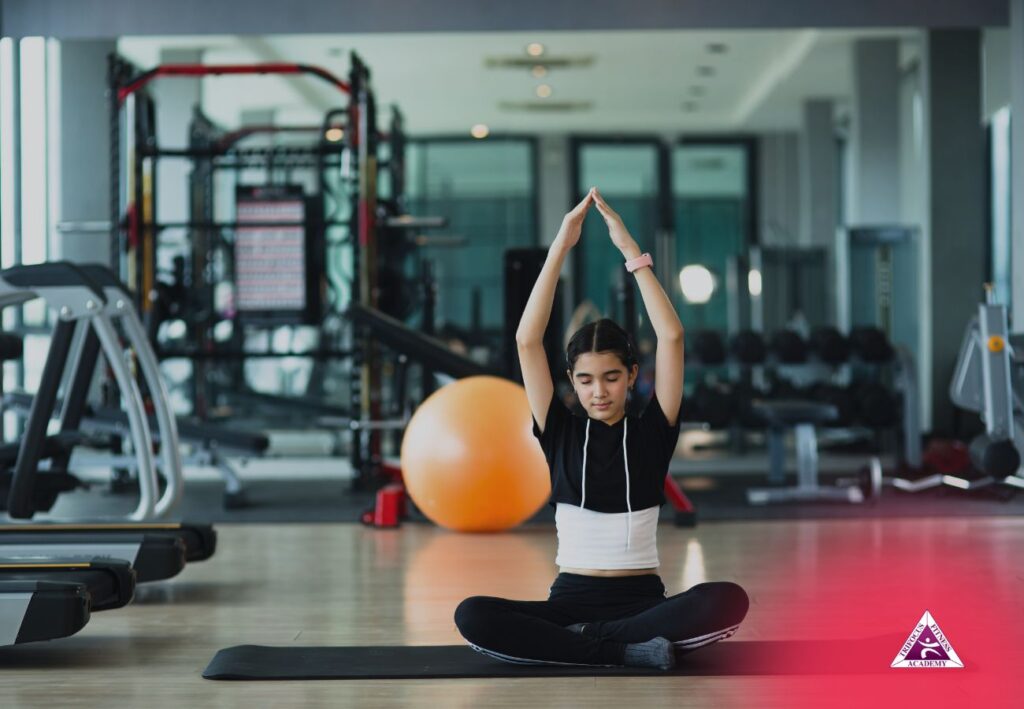
In recent times, mindfulness has emerged as one of the most popular techniques for promoting mental wellness and emotional health. But ultimately, its impact goes beyond meditation cushions and quiet reflection — it has the power to transform the way you work out, too. When it comes to exercise and personal training, mindfulness can supercharge body awareness, prevent injury, improve performance, and, in some cases, increase long-term consistency. For clients who aim not only for physical activities but also prefer a focus on mindfulness during their training, this provides a comprehensive fitness experience that achieves harmony between mind and body.
One-on-one training, regardless of its format, is an ideal opportunity for mindfulness practice. Clients are invited to remain in the moment, under the direction of a certified trainer who guides every motion and prompts mindful breathing. This present-moment focus empowers people to stay more engaged in their workouts, tune into how their body feels, and observe patterns in their mental responses to physical effort. Whether it’s losing weight, getting stronger, or sharpening mental acuity, mindfulness permeates every aspect of personal training.
Strengthening the Mind-Body Connection Through Mindful Movement
At the core of mindfulness in personal training is the practice of being present in the moment. That is, being present in the sensation of moving, focusing on how your muscles engage, your joints rotate, and your breath fills and supports every movement. This type of concentration is also beneficial because it fosters a connection between the mind and body, a crucial component for achieving long-term fitness success.
In Private Training sessions, mindful movement involves slowing down to allow yourself to feel every rep instead of powering through a routine. It’s about paying attention to the small signals your body is sending you — such as tension, imbalance, or fatigue — and responding to them. With the trainer’s input, people can learn to listen to their bodies as they are on the go, thereby enhancing their form and reducing their risk of injury.
This increased sensitivity even applies to an intuitive exercise and a physical sense of movement. Clients learn to better listen to their bodies’ needs on a day-to-day basis, resulting in more effective programming and improved results. Rather than slaving away at an exercise just because it’s “scheduled,” mindfulness helps them attune to their level of physical and mental readiness, thus rendering Private Training more reactive and flexible.
The mind-body connection that mindfulness establishes translates into a more effective workout. Clients feel more in tune—mind, body, and spirit—when they are more purposeful in their sessions. This Private Training becomes a shared journey into strength, resilience and growth rooted in the knowledge of the current moment.
Improving Form, Technique, and Injury Prevention
Increased quality of movement is one of the primary benefits of combining mindfulness with personal training. And when clients are mentally present during a workout, they’re less likely to hurry the process, phone it in, or cheat on form. This not only increases your performance but also significantly reduces the risk of injury.
Mindful training: Clients are instructed to focus on performing every exercise with optimal attention to form, breath, and muscle activation. A personal trainer can teach clients to tune in to sensations — feeling the glutes fire during a squat, holding the core tight during a plank, or aligning the spine during deadlifts. The devil, as they say, is in the details, and this focus on detail provides safer movement patterns and better workouts.
Preventing injury also involves knowing one’s limits and heeding signals of discomfort early. In fitness, as in life, many injuries are due to ignoring early warnings (such as joint strain and muscle fatigue) and pushing our bodies beyond their limits. Mindfulness, bolstered by personal training, guides clients to honour those signals and make changes before harm is done.
Coaches play an important role in helping those habits stick. They model mindfulness and provide instant feedback to help clients stay present and avoid autopilot during exercise. Eventually, this conditioning becomes second nature, resulting in a safer and more effective way to keep fit.
In this sense, mindfulness does not bring progress to a halt — it kick-starts progress with less slipping, sliding, and more precision in execution. Private Training transitions from Fadeville to Dieselville as a long-term strategy for strength and health, rather than a short-term effort.
Enhancing Focus, Motivation, and Performance
Distraction is the bane of consistent, top-quality training. Whether that’s checking your phone between sets, getting caught up in self-doubt about progress, or simply showing up at the gym on autopilot, a distracted mind is a weak one. Mindfulness – When blended into personal training, Mindfulness allows our clients to bring absolute attention to each workout, which is a quicker way to achieve the results they’re looking for.
Concentrating on your reps during workouts helps you develop a stronger mind-muscle connection, making each repetition more productive. Customers are trained to cut through chatter, both internal and external, and focus instead on breath, motion, and exertion. Personal training becomes a form of meditation, an exercise that tests one’s mental fortitude as much as a physical boundary.
Desire is also more controlled when mindfulness is a factor. Rather than simply focusing on external goals (such as weight loss or aesthetics), clients learn to appreciate the benefits their workouts provide: mental clarity, emotional release, and the satisfaction of being present in the moment. This transition results in even more ‘internal’ motivation, which extends beyond immediate goals.
A personal trainer plays a crucial role in developing this philosophy. Through encouraging introspection, establishing mindful intentions, and cultivating present-moment awareness, they support clients in remaining both attentive and mentally resilient.
Practising mindfulness in personal training is about showing up as the best version of yourself for every client. They come with a purpose, they’re involved every step of the way, and they walk out with a sense of achievement that can help fuel their continual growth.
Supporting Recovery, Stress Reduction, and Emotional Balance
It is in recovery mode that the body mends and grows, but also, the mind resets. Mindfulness in personal training extends beyond the workout floor to include recovery techniques that help release tension and balance your emotions.
Focused breathing, stretching, and cool-downs are integral components of a complete Private Training session. These activities calm the nervous system, reduce cortisol levels, and prepare the body to shift from “fight or flight” to “rest and digest.” Those clients who also dedicate time to recovering mindfully become injured less, sleep better, and control their emotions more effectively.
Personal training sessions that conclude with some form of guided relaxation, breathwork, or body scan can also reinforce the habit of slowing down and checking in. This not only aids in physical recovery but also helps train clients in emotional resilience — learning to notice stress, rather than impulsively react to it.
Mindful rehab also increases clients’ awareness of the cumulative effects of stress on their bodies. They start to learn when to rest, when to push, and when to ease off. This results in long-term consistency, where clients don’t find themselves burned out and stay motivated in their health journey.
When recovery is taken care of with mindfulness, Private Training is more about rehabilitation than just effort. It acknowledges that well-being is a relationship between movement and stillness, between effort and rest, between doing and being.
Conclusion
Mindfulness and personal training might sound like two unrelated realms, one calm and quiet, the other rigorous and intense. But together, they have a force-multiplying synergy that enhances everything about the fitness experience. Between them, they provide a roadmap to physical strength and mental focus, anchored in intention, awareness, and self-compassion.
Mindfulness can help clients develop a more advanced mind-body connection, which in turn translates into better movement patterns and reduced injury. With increased focus and self-motivation, going to the gym becomes a meaningful effort, rather than a chore. By enabling thoughtful recovery, it becomes conducive to maintaining a healthy, long-term relationship with training, your emotions, and overall well-being.
Contact the Trifocus Fitness Academy
The Trifocus Fitness Academy offers specialised online and internationally accredited Personal Training Courses designed to equip professionals with all the skills and knowledge needed to succeed as a professional Personal Trainer.

Frequently Asked Questions
Mindfulness enhances Private Training. Reduced interference, increased sensation, and improved emotion regulation are three significant benefits of engaging in mindfulness during workouts. They learn to be present, which makes every repetition more intentional and therefore more effective.” This knowledge aids in improving form, preventing injuries, and boosting motivation. When a personal trainer is involved, it makes practising mindfulness more feasible with guidance and feedback in the moment.
Yes, Private Training may and frequently should involve mindfulness techniques. Trainers may employ breathwork, body scans, and cues for focused attention during sessions to help clients stay present. It improves form, reduces stress, and builds mental toughness. Whether practising warm-up exercises, engaging in strength training, or cooling down, these techniques will enhance physical performance and help maintain emotional balance. Incorporating mindfulness transforms Private Training into a more holistic process, with exercise becoming a more mindful activity, rather than a purely physical effort.
Conscious movement in personal training helps clients improve their coordination, reduce the risk of injury, and strengthen their mind-body connection. People concentrate on posture, breath, and muscle activation, resulting in exercises that are performed in a more controlled and purposeful manner. Private Training provides the framework and support you need to develop this awareness. Over time, mindful movement can also help with emotional regulation and decrease mental fatigue, making workouts more restorative. Clients walk away from a session feeling not only stronger but also more centred, with a refreshingly clear head.
Advantages of Private Training with mindfulness include reducing the risk of injury for the client, as they become more body-conscious about maintaining proper body alignment in daily activities, optimal joint position, and optimal muscle contraction. Even a remotely available client can spot poor form early and provide real-time coaching. Coaches direct this practice, reinforcing correct form and instructing clients to focus on signs of discomfort. This proactive process helps to avoid overtraining and strain.
Absolutely. Mindfulness changes the perspective in personal training from focusing solely on results to concentrating on the process. When clients show up for a workout, they derive pleasure from the act of moving, not just from reaching a goal. That generates lasting intrinsic motivation. One-on-one training is then more purposeful because the client can feel what is on their mind through touch and relate everything to what they fundamentally stand for.
Yes, there is indeed a mindfulness aspect to recovery that is an integral part of personal training. Trainers often incorporate guided stretching, breathwork, or mini-meditations into the end of a session. These types of activities can reduce stress, improve muscle repair, and maintain emotional stability. Mindful recovery also attempts to teach clients to listen to their bodies and honour rest as part of their progress. In training, recovery is not a passive process; it is an active one. By integrating mindfulness into this process, individuals develop resilience and grit to sustain their fitness and improve their overall health.