
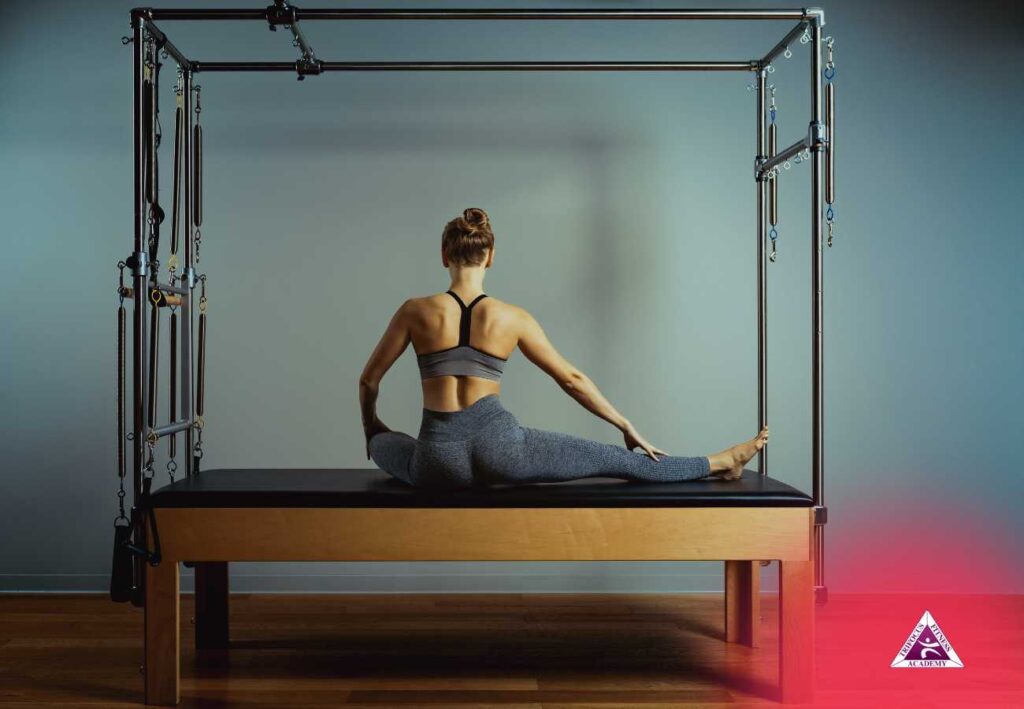
In today’s sedentary world, the epidemic of poor posture has become a regular topic of conversation, providing a breeding ground for chronic pain, muscle imbalances and limited mobility. Whether from hours of sitting at a desk or hunched over screens, body misalignment can significantly affect overall health and wellness. Pilates is a practical approach to perfecting postural alignment, as it is a low-impact exercise that emphasises strength through the body’s core, flexibility, and body consciousness. Pilates works with people on a stable base of good posture by focusing on the little muscle groups not engaged in everyday life and developing a functional movement panda.
Strengthening Core Muscles for Better Posture
Another of its most essential benefits is that this strong core allows you to maintain good posture, hold the spine and pelvis in place, and better align the rest of your body. Pilates focuses on strengthening the deep core muscles, which consist of the transverse abdominis, multifidus, pelvic floor and diaphragm. Those muscles are a key part of stabilising the body, taking pressure off the lower back and shoulders, and ensuring you have better posture in your daily activities.
Signature Pilates moves like the “hundred,” “plank,” and “roll-up” cues and target core activation and strengthening. The hundred, for example, works the transverse abdominis via controlled breathing to keep a neutral spine and build endurance. Plank variations strengthen the shoulders and back while stabilising the core, laying the groundwork for good posture during the day.
Another notable feature is that Pilates employs dynamic movements to mimic movements from daily life, teaching the core to be effective throughout those movements. Movements such as the “bridge” or “side plank” build core strength that the body can use during lifting, walking or sitting activities, which helps minimise the risk of misalignment or extra strain on joints.
Regular Pilates practice builds core strength and promotes body awareness, which can help you identify and correct postural habits such as slouching or overextending the back. These resulting adjustments in the body create overall better posture, reduced pain, and a more assertive, more secure posture over time. A strong core built by Pilates acts as the stability we need to help hold our alignment, preventing our body from slumping into unhealthy, uninformative positions and improving our posture everywhere.
Promoting Better Spinal Alignment
It is very effective for spinal alignment and improving good posture, a crucial mobility element. Tension in the spine, like sitting or standing with slouched shoulders or excessive backwards curvature, will generally cause chronic back pain, decreased range of motion, and postural misalignments. Specifically, through careful Pilates exercises, Pilates aims to lengthen the spine, develop its natural curves, and work to create balance between the vertebrae, which leads to enhanced posture and less discomfort.
Moves like the “spine stretch forward” and the “cat-cow” are key Pilates exercises for improving spinal mobility and alignment. These poses help open the back muscles, gently stretching and lengthening them, releasing the stiffness and tension in the vertebrae column. Like muscle memory, through consistent repetition, these movements provide the body with the tools to realign the spine into a neutral position, creating a much more natural placement of the body in the studio and outside of Pilates.
The pelvis is also important for the spine’s alignment, and that’s why Pilates emphasises achieving and maintaining a neutral pelvis. Pilates exercises such as the “pelvic tilt” help students stabilise the pelvis, propping up the lower back and resisting excessive arching of the lumbar spine. Many unknowingly clench their lower back or tilt their pelvis forward, leading to back pain and hunching. Pilates is beneficial because it fosters mindful movements, which improves overall posture and alignment.
With attention to spinal alignment, Pilates relieves alignment-related pain — neck strain or aggravated lower back pain. A well-aligned spine relieves fatigue and increases the body’s power for ease of movement. Gradually, Pilates exercises allow people to develop the strength and awareness necessary to hold better posture daily, so the postural changes are not just physical but ultimately align with what well-being is.
Improving Body Awareness and Mind-Muscle Connection
Pilates exercises also promote body awareness, another key tenet of the method and one of its biggest benefits for people looking to improve their posture. Poor posture over time is due in part to many of us being disconnected from our bodies and not aware of how they move or hold tension. Pilates teaches practitioners to cultivate more body awareness, enabling them to identify and remedy misalignments or inefficient movement patterns.
It stresses the mind-muscle connection through controlled movements and intentional breathing. Slow and precise movement during Pilates exercises reinforces how the body feels and moves in space. Examples of this would be movements such as “leg circles,” where you stabilise the pelvis while moving the legs to gain control and coordination benefits. This specificity helps you understand how to fire the right muscles in the right way and avoid other muscle types from overcompensating, which can lead to structural problems.
Pilates exercises promote mindfulness in daily life. With this increased awareness of the body, practitioners become aware of posture habits off the mat, for example, sitting slouched in their chair or hunkering down over their desk. This increased awareness aids in maintaining more alignment in everyday life activities.
The long-term benefits of body awareness include posture and general well-being. When people become more aware of their bodies, they can notice tension or imbalances sooner and respond before they become chronic. Pilates exercises help establish the correct position of the body when working out. Still, they also give you the tools to maintain alignment and move mindfully in every part of your life.
Reducing Muscular Imbalances and Preventing Injuries
One major cause of bad posture is muscular imbalances. These happen when some muscles become overactive and tight, and others weaken from disuse. These imbalances cause the body to fall out of alignment, which causes discomfort and increases the risk of injuries. The Reforming Pilates routine focuses mainly on working balance scale development, pose enhancement, and entire body stability.
For example, extended periods of sitting lead to tight hip flexors and weak glutes, which result in anterior pelvic tilt and back pain. Pilates exercises like “bridges” and “clamshells” help target the glutes while lengthening the hip flexors, creating a more balanced body and better alignment. Exercises like “swimming” or “breaststroke prep” also strengthen the upper back and shoulders, which helps neutralise rounding caused by poor posture.
Pilates exercises also emphasise symmetry. All movements are done on both sides of the body to prevent muscle over-compensation and one side from overdeveloping. Over time, props such as resistance bands or stability balls increase difficulty and diversity, promoting even more balance and coordination.
For instance, Pilate exercises can help mitigate muscular imbalances, decreasing stress and pressure on the joints and back by providing a solid base for motion. This enhances posture and prevents common injuries due to misalignments like shoulder impingements or lower back strains. Regularly practising Pilates can help practitioners develop an even, well-balanced body that promotes good posture and long-term health.
Conclusion
The Benefits of Pilates for Posture & Alignment Whether or not you are a seasoned Pilates practitioner, this method can provide many benefits regardless of your fitness level. With specific Pilates movements that build strength in the core, allowing for proper spinal positioning, body awareness, and muscular balance, you can create a strong, balanced, well-aligned body that moves efficiently. Pilates exercises can be a safe, effective solution whether you’re dealing with the repercussions of a desk job or want to increase your performance by perfecting your body’s alignment. Incorporating them into your fitness routine can improve posture, reduce pain and increase body awareness. Eventually, the benefits leave the studio, helping you move mindfully and maintain proper alignment in daily life.
Contact Trifocus Fitness Academy
Explore the rewarding path of becoming a certified Pilates Instructor. Unleash your potential and inspire others on your journey with Trifocus Fitness Academy’s comprehensive Pilates Instructor program.

Frequently Asked Questions
Many Pilates exercises target core muscles, which stabilise the spine and pelvis. The “hundred” and “plank” work on the deep abdominal and back muscles that help align you properly. Pilates also emphasises elongation of the spine, balancing strength and flexibility, and retraining the body to move in better alignment. Repeated encounters create muscle memory for an upright position and minimise discomfort from slouching or a misaligned posture.
Examples of the best Pilates exercises for spinal alignment include the “spine stretch forward,” “cat-cow,” and “pelvic tilt.” These movements gently lengthen the muscles of the back and open joints and train a neutral spine position. Pilates also stresses the role of the pelvis as a support for alignment, correcting imbalances that cause bad posture. These exercises enhance mobility and decrease stiffness, resulting in a healthier, well-aligned spine.
Absolutely! Pilates Exercises for Improving Posture for Beginners Movements such as the “bridge” and “spine stretch forward” are simple to learn and build fundamental strength and flexibility. Props such as yoga blocks or resistance bands can also assist, making the exercises more accessible. Practitioners can begin at their level and build strength and awareness to maintain good posture and alignment over time.
Pilates exercises strengthen the core and align the spine, which can help relieve back pain associated with poor posture. Since Pilates strengthens deep abdominal and back muscles that alleviate strains on overtaxed regions and encourage more seamless movement patterns, It is a tool to help you recover. Exercises like the “roll-up” and “plank” help support the lower back, while stretches like “child’s pose” help alleviate tension. Pilates not only heals pain over the long term by correcting misalignment and improving total posture, but it also heals pain over the long term by correcting misalignment and improving total posture.
Yes, Pilates exercises such as the “side plank” and “clamshell” are great for targeting muscular imbalances. These movements focus on underutilised muscles while helping to relax the overactive ones, bringing balance throughout the body. Pilates focuses on symmetry, ensuring both sides of the body are equally engaged. Over time, this alleviates the unbalanced tension that can lead to poor posture, helping you regain alignment. This will get you your results; consistency is the key to getting long-term results.
All of these will help with posture; I recommend doing Pilates exercises about two to three times a week. Consistency enables the core muscles to build strength and the body to learn more effective alignment patterns. Brief daily sessions of movements such as the “spine stretch” or “pelvic tilt” can also improve progress. With consistent practice, the body strengthens the muscles to hold postures and ease tension while developing the fortitude to stay aligned in everyday life.