
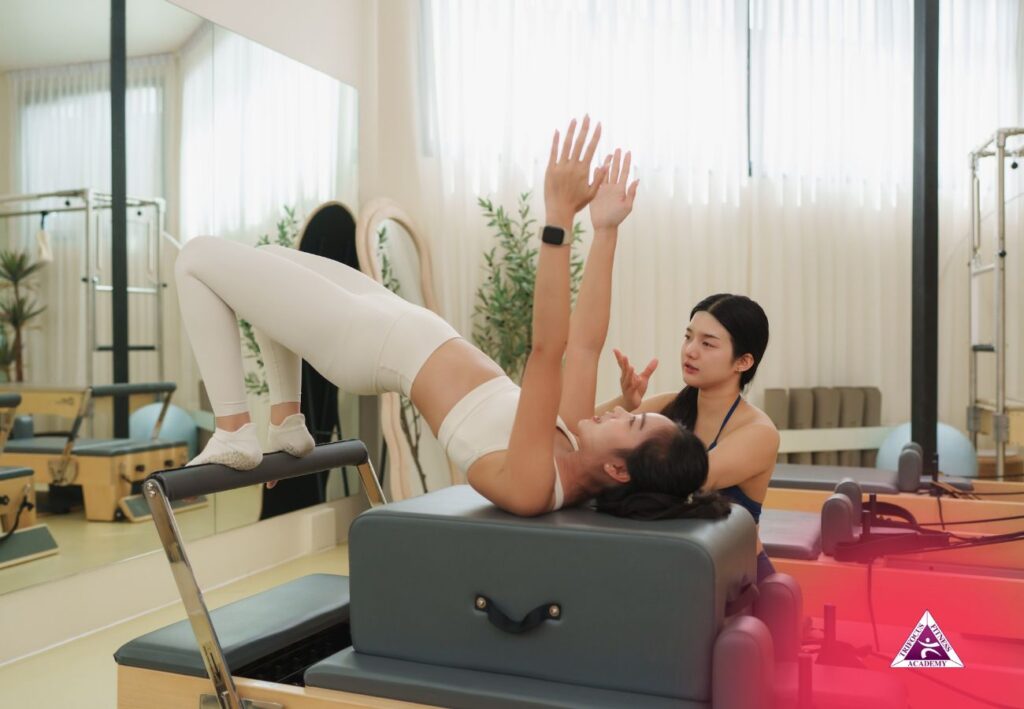
Pilates is well known for developing core strength, posture, flexibility and body awareness among other things. But, like any form of exercise, what Pilates can do for you will vary depending on how well you carry out the moves. Many people attend classes regularly or follow routines every week, yet still do not see results. The problem with others is not the method, but the technique.
Pilates exercises are a system based on precision, control, and mindful movement. Small form errors can reduce the effectiveness of exercises and, in some cases, increase the risk of injury. Whereas the fitness approach, where effort alone may prevail, is about precision, Pilates is about precision. It’s not about how many reps you do, it’s about the quality of each movement.
Knowing the typical pitfalls with execution is appropriate for anyone wanting to benefit as much as possible from their Pilates exercise practice. These errors can be subtle and easy to miss as a new developer. We, therefore, tend to form habits that do not help in our growth, even as seasoned participants
Poor Core Engagement and Overreliance on Surface Muscles
One of the biggest mistakes seen in Pilates is failing to engage the transverse abdominis correctly. Some individuals focus too much on superficially changing their abdomens externally, bringing the tummy in without turning on the deeper stabilising muscles. Pilates exercises aim to strengthen muscles such as the transverse abdominis and the pelvic floor.
They support your spine and form real core stability. When not activated correctly, the body compensates by using bigger, stronger muscle groups. Overreliance on surface muscles leads to useless workouts. Even if you feel it is hard work, your deeper muscles aren’t engaged, so results over the longer term will be limited. Another problem is tension in the wrong spots. Some people lock up their shoulders or squeeze their hip flexors rather than using their core. This may lead to undue strain and render the exercise less effective.
It takes an awareness of and practice at properly engaging your core. The focus is on delicately pulling the abdominal muscles inward, without holding your breath or tensing your posture. It should feel under your control, not forced. When deep core activation is prioritised, it can promote stability, improve movement quality, and ultimately lead to better Pilates results.
Incorrect Alignment and Postural Mistakes
Alignment is one of the basic teachings in Pilates, but it is also a teaching that rarely gets taught. Bad alignment can alter how muscles are activated and may render movement patterns ineffective. Common mistakes are arching the lower back, rounding the shoulders or an incorrect pelvis tuck. These problems can shift work from the targeted muscles and stress joints and ligaments.
For example, an overarch in the lower back could lead to less core activation and more strain on the spine. Likewise, rounded shoulders can restrict upper-body mobility and affect breathing. Your balance and coordination also fall into the alignment category. You are also less in control of your body’s movement when you do it, leading to incorrect movement. This may result in affordances that are counterproductive.
Many of these errors occur because they do not have a clear understanding of what their bodies are doing. We all need role models, guides or leaders to make sure the charge is on the right track. Readjustment of alignment would be necessary with each transition, so one must pay minute attention to these details. Instructor feedback, video analysis or mirrors can also help clear the air. Alignment helps individuals work their bodies correctly for maximum benefit and minimum injury.
Ineffective Breathing Patterns
In Pilates, breathing is an important aspect, but often it is overlooked or misinterpreted. Breath control aids core engagement, enhances control, and improves overall performance. One common mistake is holding your breath during difficult transitions. That can cause friction and undermine the purpose of the exercise. It also restricts the flow of oxygen, which can sap strength.
Another issue is shallow breathing. Most people only breathe into the chest, which contradicts full core activation. While the core is engaged, Pilates exercises promote lateral breathing, in which the rib cage expands. Breath does not exist in a vacuum and should be paired with movement. The timing of inhalation and exhalation facilitates, controls, and stabilises. Exhaling on exertion, for instance, helps draw in deeper abdominal muscles.
Breath vagueness can affect posture, too. Good breathing helps to align your spine and ease tension in the upper body. It takes practice to develop good breathing habits. It requires awareness and consistency. Teachers often use breathing cues to help participants progress. Breathing techniques are essential in Pilates, and mastering them enhances the effectiveness of an individual’s practice.
Lack of Control and Relying on Momentum
Pilates exercises focus on controlled movement; many people exercise too quickly or rely on momentum. That dilution makes the workout less effective and may result in poor technique. Proper form is difficult when movements are rushed. This can lead the body to rely on momentum to finish the exercise rather than working the intended muscles.
This reduces benefits and increases the risk of injury. Control means moving with intent and precision. Every phase of the movement needs to be intentional, so put equal weight on both lifting and lowering. Another issue is skipping transitions. A rapid transition may disrupt your flow and reduce overall effectiveness. Loss of control can also result in instability. Somehow, without control, balance, and alignment, it becomes hard.
When everything slows, people can concentrate on technique and which muscles they need to engage. It also develops body awareness, which is crucial for improvement. Pilates is not about speed or high intensity alone. This is called quality of movement. If instead the emphasis is on control, well, it becomes ‘one of those’ exercises.
Conclusion
Pilates exercises are among the most powerful methods for increasing strength and improving posture and movement quality. But the advantages hinge on the right technique. There are small mistakes in core engagement, alignment, breath, and movement that absolutely hinder results.
Deep core muscle engagement is one of the top focuses of Pilates. Without it, exercises lack the form and mechanics to be effective and may add undue strain to the body. Likewise, keeping an appropriate posture ensures that actions target the desired firm entities and support general balance.
Contact Trifocus Fitness Academy
Explore the rewarding path of becoming a certified Pilates Instructor. Unleash your potential and inspire others on your journey with Trifocus Fitness Academy’s comprehensive Pilates Instructor program.

Frequently Asked Questions
Common technique errors in Pilates exercises include failing to engage the core properly, poor alignment, poor breathing, and using momentum. Such mistakes can make the exercises less effective and also restrict results. Most of us don’t know it, but we rely on surface muscles rather than deeper stabiliser muscles.
Core engagement is crucial in Pilates exercises, as it supports the spine and stabilises the body throughout movement. Exercises become much less effective without proper activation of deep core muscles. Your key is to engage more deeply; many people instead use the surface muscles, which results in horrible outcomes.
Without proper alignment, the effort can be redirected to take away from working the muscle and put undue pressure on joints and ligaments. This diminishes the effectiveness of Pilates movements and increases your susceptibility to injury. Posture helps individuals ensure proper movement, and when performed correctly, it can help them get the most out of every workout routine while contributing to better bodily function.
In Pilates, breathing is important because it helps engage the core and control movement. Good breathing keeps us stable and relaxed in our bodies. We can limit performance by holding our breath or using shallow breathing. By coordinating breathing with movement, exercises are more efficient and deliver greater benefits.
In Pilates, control is more important because it makes sure the right muscles are used. Using momentum too much and not thinking leads to sloppy, less proprioceptive exercises. Performing our weight training, for example, at a slow, controlled pace allows us to improve our technique by better activating the muscles used in that repetition, leading to safer exercises.
Good Pilates technique comes with practice and attention to detail. The key points will focus on your core, from your belly button to your spine, making sure you are aligned and breathing. An instructor will help, but mirrors can also be useful for identifying errors. With time, you will gain more control over your body and notice improvements in your performance and results.