
Cardiovascular activity is a great way to keep your heart in shape, improve blood flow and increase positive feelings of well-being at any age. For seniors, staying active can be the difference between independence, mobility and vitality or being confined to a walker or wheelchair. But high-impact workouts, or exercises that place a lot of pressure on joints, might not be ideal. That’s why investing time into low-impact elderly exercise is a great way to keep healthy without fear of injury. Low-impact cardiovascular exercises are designed to be gentle on the body yet offer all the health benefits of being active.
Engaging in low-impact cardio as a senior workout helps older adults manage their weight and improve heart and lung health. It also lowers the possibility of chronic diseases like diabetes, hypertension and osteoporosis. Low-impact exercises, unlike high-impact activities that include running and jumping, put minimal pressure on your joints, making them less likely to aggravate already sore knees or weak ankles. This is particularly beneficial if you’re dealing with arthritis, limited flexibility, or balance issues.
The great thing about low-impact cardio is that it’s so flexible. Options range from walking and swimming to cycling and dance-based routines, allowing seniors to choose based on their preference and ability. By incorporating these workouts into your weekly routine, you’ll notice an improvement in your endurance and increased energy levels throughout the day, possibly even finding it easier to fall asleep.
Walking: A Simple and Accessible Elderly Exercise
One of the finest and most convenient ways for older people to exercise is walking, which is free and accessible to almost everyone. A low-intensity cardio exercise, walking does wonders for your cardiovascular system, but it doesn’t put any strain on your joints. Whether that means a stroll around the neighbourhood or brisk walking in a nearby park, older adults can customise their walks to meet their desired pace and fitness level.
Flexibility and adaptability are two of the best things about walking. Seniors can select the length, speed and terrain according to their comfort level and how they feel at the time. Walking outside provides fresh air and natural sunlight, in addition to exercise, which is beneficial for mental health and vitamin D production. Treadmills or walking tracks offer safe options for people who choose to walk indoors.
Walking is good for the heart, circulation and endurance. It’s most helpful in controlling blood pressure and reducing the risk of cardiovascular disease. Walking also promotes bone health by engaging and exercising the lower body.
For more fun, walking can be done with company or as part of community groups for older adults. This social component makes the activity fun and adds accountability. For example, life coaching or seniors’ workout programs commonly promote walking because of its versatility and proven outcomes.
Older adults should start slowly and gradually increase their distance or time to prevent overexertion. Comfortable shoes and good surfaces reduce the potential for discomfort or injury. Walking is one of the best low-impact cardio options, a good reminder that often the simplest exercise for the elderly returns some of the best results.
Swimming and Water Aerobics for Joint-Friendly Cardio
Other activities, such as swimming and water exercises, can also be beneficial for elderly exercise routines. Water allows the body to float, relieving pressure on joints but still offering resistance, which tones muscles and improves cardiovascular fitness. This makes swimming especially good for seniors with arthritis, osteoporosis, or chronic pain.
Lap swimming is a whole-body exercise that improves the health of your heart and lungs, while at the same time increasing flexibility and coordination. Seniors can participate in water aerobics classes, which provide a fun, social setting to work out with other seniors under the guidance of an instructor. The water offers natural resistance, so even basic exercises are an effective workout.
Elderly Exercise: Balance and Mobility. One more elderly exercise benefit is the improvement of balance and mobility without an increased risk of falls while swimming. The low impact means seniors can do their cardio without hurting their joints. In addition, water-based exercising helps maintain the body’s temperature, resulting in less fatigue.
Gentle water walking or supported movements can help make swimming feel less intimidating if you’re new to it. Many local gyms and senior wellness programs offer water aerobics classes specifically designed for seniors.
Safety is paramount, so seniors should always exercise in supervised environments and consult with physicians if they are medicated for maladies. Overall, swimming and water aerobics are two of the most pleasing and joint-friendly modalities of low-impact cardio. They keep elderly exercise programs safe and help them to be efficient – it leads to health benefits which last for a long time.
Cycling: A Low-Impact Elderly Exercise for Endurance
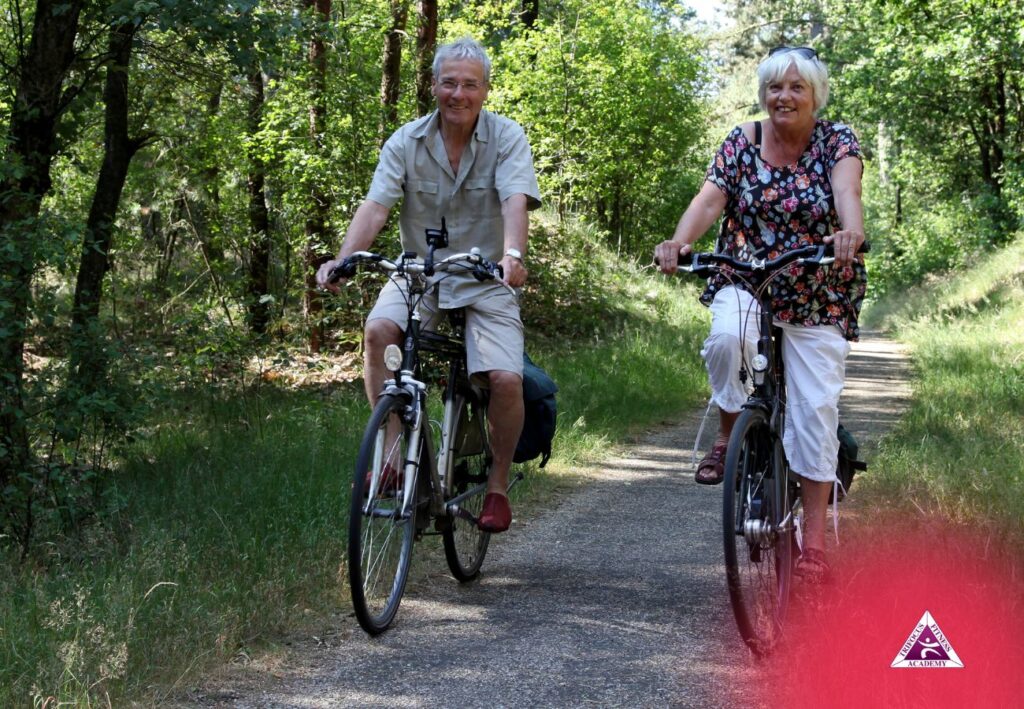
Cycling — whether on a stationary bike or riding outside — is also an effective exercise to keep your cardiovascular system strong, he says. It’s kind to the joints and an excellent exercise for legs, core and heart. For seniors interested in building endurance, cycling is a fun and safe way to stay active without high-impact activities like running.
Stationary cycling is especially popular among older seniors as it takes away balance issues and doesn’t force you to deal with the weather. Stationary bikes: With adjustable levels of resistance, stationary bikes allow users to vary the intensity for a beginner or a more intense workout for experienced exercisers.
Outdoor cycling includes the benefits of outdoor fresh air and scenery, but also requires better balance and coordination. And for those who can’t balance without fear, there are still three-wheeled bikes or recumbents that are safe and comfortable.
Advanced elderly exercise, such as cycling, will help keep your cardiovascular system healthy, tone lower body muscles and enhance joint flexibility. It even aids in weight control and blood sugar management, making it particularly beneficial for seniors with heart conditions or diabetes.
Life coaching and fitness programs suggest cycling because it develops consistency. Seniors can fit short daily sessions or longer rides into their schedule. Common sense guidelines, such as wearing helmets, getting the seat right, and starting at a leisurely pace, help keep you injury-free.
Chair Exercises and Seated Cardio for Accessibility
But not all seniors are happy with standing or high-impact workouts, and that’s where chair exercise routines come into play. Chair exercises make it easier for older people to participate in the same types of aerobic workouts that those less affected by ageing can do, says DuBose. These exercises can be done at home or in group institutions and provide a flexible response.
Simple chair-based movements such as seated marching, arm raises, and leg extensions raise the heart rate without impact. You can up the intensity and recruit more muscles by adding light weights or a resistance band. These exercises do more than benefit your heart; they also improve coordination and strength.
Chairs for Aerobics: Many senior centres and gyms offer chair aerobics classes, which are specially designed classes that complement older adults. This type of class typically combines rhythmic sequences with music to create a pleasant atmosphere, encouraging seniors to continue.
The availability. One of the most significant advantages of chair-based elderly exercise is its accessibility. It means anyone who may not be able to walk for an extended period or swim can still benefit from cardio. Continued use will help increase circulation, keep muscles in shape and give you more energy for your everyday activities. Seated cardio is typically part of life coaching for seniors as a way to break down barriers and introduce healthier habits. With the increasing intensity of level by level, participants can move on to stand exercises.
Conclusion
Keeping active with low-impact cardio is one of the best ways for seniors to retain independence, vitality and long-term health. High-impact elderly exercise may be risky, but lower-impact activities like walking, swimming, cycling and seated routines are safe and effective options. All these choices are great for heart strength, endurance and range-of-motion exercises that older adults need.
No secret, just be consistent. Older people don’t have to work out intensely; they need regimens that easily fit into their lives. By selecting activities they enjoy, older adults are apt to stay with them over the long term. Whether in the form of a morning walk, an afternoon swim or even a group chair aerobics class, low-impact cardio can be fun and beneficial.
Contact the Trifocus Fitness Academy
The Trifocus Fitness Academy offers a specialised online and internationally accredited Exercise and Special Populations Course designed to equip professionals with all the skills and knowledge needed to succeed as a professional Personal Trainer.

Frequently Asked Questions
Low-impact cardio is an excellent exercise for older people, as it helps strengthen the heart and lungs without putting a burden on the joints. Such activities as walking, swimming, and cycling promote cardiovascular health with a low potential for injury. These movements improve circulation, balance and mobility, keeping seniors active and independent. The low stress on the body also makes low-impact workouts practical for those who have arthritis or otherwise have limited mobility, which can be very valuable in promoting overall health and wellness as one ages.
The safe, low-impact elderly exercises are walking, swimming, using an exercise bike and working out on a chair. These activities offer heart-healthy benefits, as well as joint protection and a decreased risk for falls. Chair exercises for seniors with mobility limitations are exceptionally safe and beneficial. Swimming is also easy on the joints because of the water’s buoyancy. These exercises can be individually tailored with the assistance of a health professional or a physical trainer, to safely facilitate aerobic capacity, strength and wellness in older people.
Yes, you can help protect your body from chronic diseases such as diabetes, heart disease and osteoporosis with low-impact elderly exercise. You can reduce your cholesterol, blood pressure, and weight with the proper physical activity. It even promotes healthy blood pressure and cholesterol. Stress-busting and Mental Health Job: How it Works. Walking and cycling relieve stress and boost mental health. By adhering to regular exercise, seniors reduce their chances of long-term health problems and stay fitter both physically and emotionally as they become older.
For older adults, experts suggest getting at least 150 minutes of moderate-intensity cardio per week (you can divide that into five 30-minute sessions each week). Low-impact exercises such as walking, swimming or chair exercises can help motivate you to stick with this effort. Volume is the key, not intensity. Low-played and gradual increase in duration are the keys to this practice. Life coaching or directed exercise programs for seniors can also offer accountability and motivation that aid in ensuring physical activity becomes a lifelong habit.
Yes, chair exercises can be an effective exercise for older people, particularly for seniors with mobility or balance problems. These exercises will get your heart rate up and increase circulation while being safe and accessible. Sitting, marching, arm raises, and resistance band exercises are just a few examples that can build muscles and improve endurance. Chair aerobics classes are also social, motivating to work out. It’s great for the elasticity of their spine and enhances coordination, as well as providing everyone with a jolly good stretch out, which is why even when seated, cardio is done regularly; it adds to one’s health in old age.
Swimming is among the most effective types of exercise for older people, as it’s non-weight-bearing and easy on joints. Water supports the body, putting less stress on your joints and bones. You can also do more exercise because water is soothing to muscles. It also strengthens your heart, increases stamina and flexibility. It’s also fun, and it can be done in group classes, lending a social aspect. Swimming is a safe, fun and effective way for people living with arthritis or other mobility issues to be more active.