
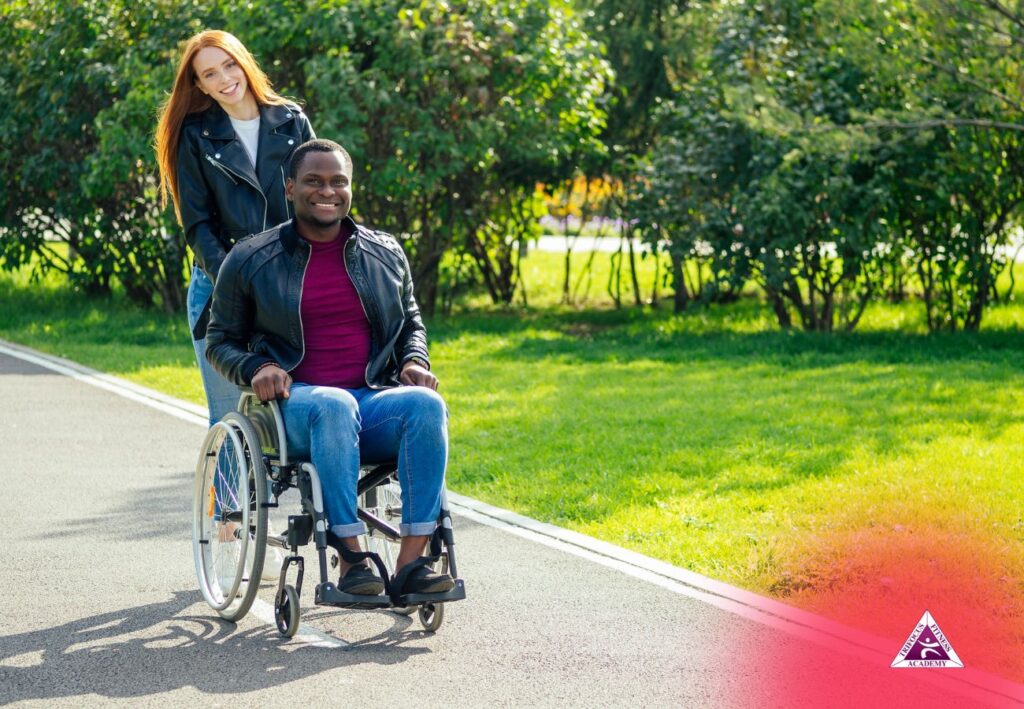
Fitness professionals often work with clients whose exercise needs go beyond what a typical training programme can address. Older adults, pregnant and postpartum clients, individuals with disabilities, clients with chronic health conditions, and clients returning to activity after illness or decreased mobility are examples of special populations. These clients need screening, programme design, professional boundaries, and monitoring to support them safely.
The goal is not to avoid physical activity because of these factors. Some evidence now shows that suitably modified physical activity, when provided, can offer many health and functional benefits across various populations. Therefore, fitness professionals should understand the benefits of physical activity and when further medical advice may be needed.
Begin With Appropriate Screening and Client Assessment
Safe exercise programming begins before the first exercise. When working with special populations, fitness professionals should obtain pertinent medical history, current physical activity, medications (if applicable), injuries, symptoms, functional restrictions, past fitness experience and goals. A preparticipation examination may help identify situations that warrant medical clearance or other professional input.
The American College of Sports Medicine’s Exercise is Medicine guidance recommends screening for symptoms and known medical conditions and obtaining medical clearance as needed before participating in certain types of exercise. Assessments should suit the individual rather than follow a standard testing procedure. An older individual concerned about mobility might need balance, functional strength, and movement-confidence assessments, whereas another client may have very different concerns.
Fitness professionals also need to ensure that what they believe a person can or cannot do is not determined by membership in a specific population. Physical capacity involves more than age, disability, pregnancy, or a health condition. The screening process is therefore not to exclude clients. It is important to understand the relevant risks and to choose an adequate starting point. Best practice is to stay within your scope of practice and not try to diagnose health problems on your own, but to seek medical advice.
Adapt Exercise to Ability Rather Than Applying a Standard Programme
Adjust the aim of exercise to the individual, not the other way around. This is particularly true for special populations and can differ significantly in physical ability, balance, coordination, mobility, fatigue, confidence and medical concerns. Modifications to the programme may include changes in intensity, range of movement, resistance, duration, equipment, rest periods, body position, and/or exercise complexity. Progressions should be based on the person’s response, not a set time frame.
Strength, balance, and functional capacity are important for older people. WHO recommends multicomponent activity that focuses on balance and strengthening activities, particularly when fall prevention and functional abilities are a priority for older adults. Clients with disabilities may need environmental and/or communication adjustments and/or exercise adaptations. The ACSM’s principles for working with persons with intellectual and developmental disabilities focus on tailoring assessment and considerations to individual physical, sensory, and communication needs.
Fitness professionals should therefore not assume that adaptation means making every exercise very simple. The goal is to design a challenge suitable for the client’s ability level and situation. Graduations should be carefully considered to help the client build confidence and fitness without adding needless risk. Regular evaluation can then identify when exercises need to be advanced, sustained, or further adapted.
Monitor Exercise Responses and Recognise When to Stop
Designing a programme does not ensure safety. Fitness professionals should monitor clients’ responses during training sessions, especially those in special populations. Breathing, movement quality and coordination, fatigue, balance, discomfort, and overall appearance may be useful indicators. It is also important to encourage clients to report unusual symptoms and not force them to exercise if they don’t feel up to it.
Fitness professionals must have clear guidelines for when to stop exercise and seek medical advice. When professionals have concerns about a client’s safety during exercise, or when there are significant changes in health or mobility, they should stop the session and seek appropriate medical input. Awareness of population-specific issues is especially important in pregnancy. In normal pregnancies, exercise is safe and healthy, though it might need to be modified.
ACOG also lists signs that must be addressed by stopping exercise, such as vaginal bleeding, dizziness, chest pain, and leakage of fluid. Fitness professionals do not need to diagnose the cause of these symptoms. Their job is to recognise when these are not normal exercise responses and respond accordingly. Therefore, monitoring shouldn’t stop at the initial consultation. Health status, medication, pregnancy, mobility, and physical capacity can change, which may require changes to programmes.
Work Within Scope and Collaborate With Healthcare Professionals
Knowing the scope of fitness professionals’ practice is one of the most crucial safety skills. Special populations may include medical conditions and situations that can necessitate skills and knowledge beyond standard fitness training. Fitness professionals can evaluate suitable components of physical fitness; set up exercise programmes within their scope of practice; instruct in movement; observe training reactions; and facilitate behaviour change. They should not make medical diagnoses, prescribe medical treatment, or ignore medical restrictions.
If medical clearance is necessary, talking with the client’s health care professional may help determine any restrictions or considerations. When screening indicates medical clearance is needed, Exercise is Medicine recommends obtaining provider approval or client-specific recommendations. Another example is pregnant clients with medical or obstetric issues. ACOG recommends that healthcare providers exercise caution when recommending physical activity for these clients and assess them before doing so. Collaboration does not reduce the fitness professional’s role. Rather, it enables everyone to do their job based on their field of expertise.
It is also crucial to keep first aid and emergency response information up to date, especially when working in settings where clients may have other health considerations. Safe practice can be achieved even if not everyone knows everything, but by recognising when more specialised knowledge is necessary and ensuring the client receives the necessary support before exercise continues.
Conclusion
The fitness professional can be a valuable resource in helping special populations exercise safely and confidently. First of all, there is a need for people to understand that not everyone is able and that individual health issues are more important than generalisations about age, disability, pregnancy and medical history. Appropriate screening can identify important health considerations before training. Individual assessment then better indicates the client’s current capacity, objectives, and potential restrictions. Exercise programmes should be adaptable. Intensity, resistance, movement selection, duration, balance and progression may all need to be adjusted based on the individual’s response.
Contact the Trifocus Fitness Academy
The Trifocus Fitness Academy offers a specialised online and internationally accredited Exercise and Special Populations Course designed to equip professionals with all the skills and knowledge needed to succeed as a professional Personal Trainer.

Frequently Asked Questions
Special populations may have different medical issues, balance, strength, mobility or health concerns. Individual programmes ensure exercise intensity, exercise choice, progression, and recovery suit each person.
An exercise practitioner should consider a health history, activity level, past injuries, movement ability, symptoms, exercise experience, and personal goals. In some cases, medical clearance will also be necessary.
Trainers can adjust starting resistance, intensity, range of motion, exercise length, rest duration, equipment, and movement complexity. Adaptations should align with the client’s current capacity and should be checked when the client’s capacity changes.
Continuous monitoring helps detect changes in fatigue, balance, breathing, discomfort, coordination, and/or movement. This enables the exercise to be adapted as needed and helps to minimise unnecessary safety concerns.
Referrals can be made when any of the following situations occur: signs/symptoms, medical issues, major changes in health, or questions that are outside of the instructor’s scope. Provide specialised assessment or advice from health professionals when necessary.
Professional scope helps ensure exercise practitioners train and qualify within their scope of practice. They should offer appropriate exercise advice, but not make clinical diagnoses, provide treatments, or give advice beyond their scope of expertise.