
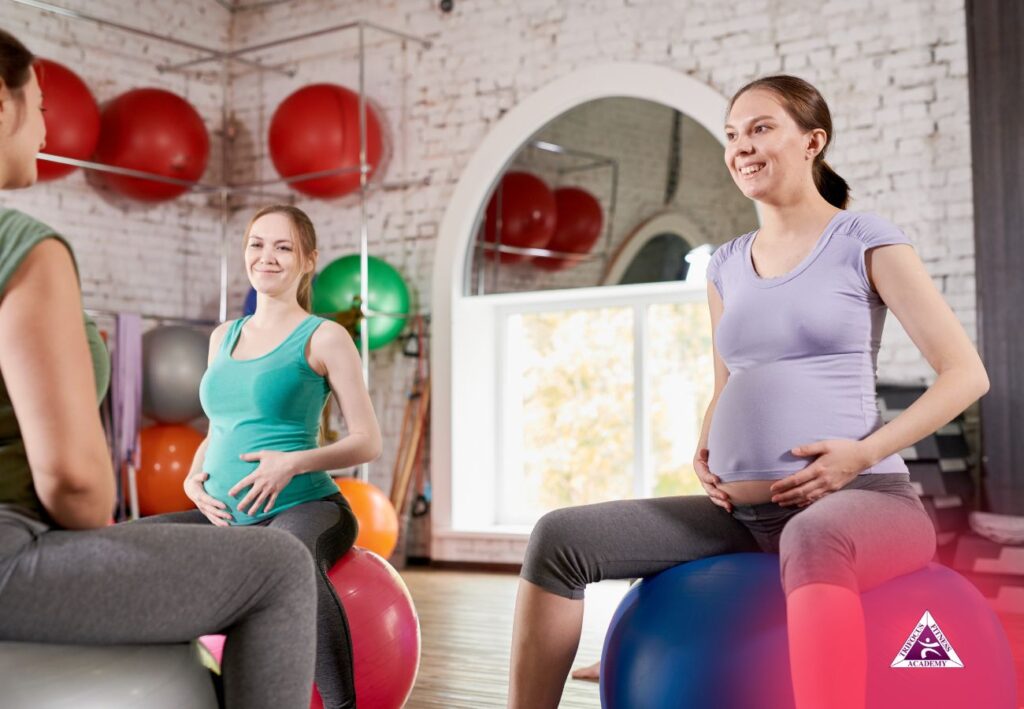
Exercise is vital for good health, but not all exercise programmes are appropriate for all people. Chronic medical conditions, physical disabilities, age-related changes, or other special health needs may necessitate the development of exercise programmes specifically tailored to the individual’s ability. This is where Special Populations fitness programmes play an important role. The programmes are tailored to provide the necessary support to help the person improve their health, independence and quality of life, whilst ensuring the person’s safety and needs are addressed.
Special Populations fitness programmes acknowledge that each individual is physically capable, has health concerns, and has unique goals. Participants instead receive individualised training programs tailored to their specific needs and goals, rather than a standard workout. Participants receive individualised training programs rather than a standard workout to suit their specific needs and goals and to encourage steady progress. Pleasure Fitness experts thoroughly consider each person’s well-being before establishing a suitable programme that supports long-term well-being.
Understanding Special Populations in Fitness
Special Populations are defined as persons who need a modified exercise programme due to specific health conditions, physical limitations, age, or unique developmental stages. Personalised exercise advice is also beneficial for these individuals, helping ensure they exercise safely and get health benefits. Special Populations are people whose age, pregnancy and postnatal status, diabetes, cardiovascular disease, arthritis, osteoporosis, obesity, neurological disease, physical disability or surgery and injury make them different.
Each person’s health concerns are unique and may therefore necessitate special exercise programming. The purpose of fitness programs for Special Populations is not just to enhance sports performance. Rather, they are concerned with optimising functioning, minimising pain, boosting strength, maximising mobility, and promoting health. These programmes can also assist people in remaining independent and carrying out their daily activities more easily.
The first step for a qualified exercise professional is to assess health risks, physical abilities, and personal goals. The programmes are then carefully structured to meet each person’s needs and ensure progressive steps toward ongoing fitness development. Fitness professionals understand that people with special needs have unique needs and provide safe, supportive spaces where they can experience the many benefits of regular physical activity.
The Physical and Mental Benefits of Exercise for Special Populations
Exercise offers numerous health benefits to people in Special Populations. Physical function is enhanced with carefully designed fitness programmes, which also promote emotional and mental health. The most obvious physiological change is an increase in muscle strength. The more resilient muscles will keep you in better posture, reduce stress on your joints, and make activities like climbing stairs, carrying groceries, and standing for extended periods much easier.
Physical activity also improves cardiovascular health, flexibility, balance and coordination, and helps prevent falls and injuries. People with chronic diseases can benefit from regular exercise to help control their symptoms, blood sugar, and circulation, and maintain their body weight. Participants also often report higher energy levels and better sleep. The beneficial effects on mental health are equally significant.
Regular exercise is often reported to reduce stress and anxiety, and to improve mood and self-confidence among members of specialised fitness programmes. Reaching your personal fitness goals fosters motivation and helps you maintain a healthy lifestyle. Special Populations fitness programmes improve the physical and emotional well-being of people, enabling them to live better, more independent, and more fulfilling lives.
How Fitness Professionals Support Special Populations
Special Populations require specialised knowledge, careful planning and supervision. Well-trained fitness professionals know that it is important to program exercises for each person. Each program starts with a comprehensive health history evaluation that takes into account medical history, medications, previous injuries, mobility restrictions and fitness. This information will be used to prescribe the selection, intensity, frequency and progression of the exercise.
Care is taken to tailor exercises to individual ability. Low-intensity activities, sitting movements, balance support and rest periods may be needed for some. These changes enable participants to work out safely and gradually build strength and stamina. Fitness experts also track participants during each workout. They monitor the quality of movement, fatigue, breathing, and comfort to ensure the exercise is appropriate. Programmes are modified to ensure further growth as fitness increases.
Another key component of supporting specialised fitness is education. Clients are educated on correct exercise form, injury prevention, and adopting the right lifestyle to continue exercising outside the supervised session. Participants gain confidence and reassurance through expert guidance and can participate safely to achieve positive gains in health and physical function.
The Long-Term Impact of Special Populations Fitness Programmes
Exercise benefits for Special Populations last beyond the session! Structured fitness programmes are continued as part of ongoing activity, which can help maintain quality of life, independence and health over the long term. Participants find their mobility, muscle strength, balance and endurance increased, thus making daily activities easier. Keeping the body healthy also helps to avoid relying on others and to feel more confident in life.
People with chronic diseases benefit from exercise to manage their condition and reduce the risk of adverse health outcomes. People generally need fewer medical procedures as they adopt healthy lifestyle choices, such as exercising regularly. Emotional wellbeing is also enhanced by long-term participation. An increase in confidence, social interaction, and life satisfaction due to a sense of achievement leads to better overall life satisfaction.
Exercise helps many people find new hobbies, friendships, and ways to engage with the community. The most important one is empowerment. Instead of emphasising weaknesses, specialised fitness programmes aim to acknowledge strengths, acknowledge progress, and foster an active lifestyle. These enduring changes contribute to healthy ageing, more independence and improved wellbeing at any age.
Conclusion
A workout can change lives when it is tailored to the individual’s specific needs. Special Populations fitness programmes offer safe, individualised exercise sessions that enhance the physical, emotional and future independence of all individuals with various health factors. With the increasing understanding of inclusive fitness, the significance of programmes for specialised fitness is growing. These programmes make exercising accessible, safe, and enjoyable, and help people enhance their quality of life, remain independent, and benefit from regular exercise throughout their lives.
Contact the Trifocus Fitness Academy
The Trifocus Fitness Academy offers a specialised online and internationally accredited Exercise and Special Populations Course designed to equip professionals with all the skills and knowledge needed to succeed as a professional Personal Trainer.

Frequently Asked Questions
Specialised fitness groups are people who have to have some adaptations to their physical activity due to age, pregnancy, injury, disability or medical conditions. These programmes aim to address specific health needs and ensure that the participant can exercise safely to increase their strength, mobility and well-being.
Individuals with special health needs have varying medical needs and physical abilities that must be addressed with a personalised exercise programme. Personalised programmes minimise the risk of injury, cater for health issues, enable people to reach their fitness objectives safely, and promote long-term health and independence.
Yes. Fitness classes adapted to an individual’s needs will enhance strength, balance, flexibility, and endurance, making activities of daily living easier. This enhancement enables people to remain independent, be less likely to fall, and benefit from increased physical functioning and a better quality of life.
They are developed by qualified exercise professionals who have experience in assisting people who need a special exercise programme. They conduct health assessments, take into account medical conditions and physical restrictions, and design safe, evidence-based exercise programmes that are modified as needed based on participants’ progression.
The number of times one can exercise is dependent on the person’s health, fitness and personal objectives. Fit professionals provide programmes that are suitable for the individual, safe, effective, and sustainable, and that can create long-term health benefits.
People with special health care needs can use regular exercise to help their heart, muscles, flexibility, balance and mobility. It also helps to manage chronic health conditions more effectively, boosts confidence, fosters independence and positively influences lifelong health and wellbeing.