
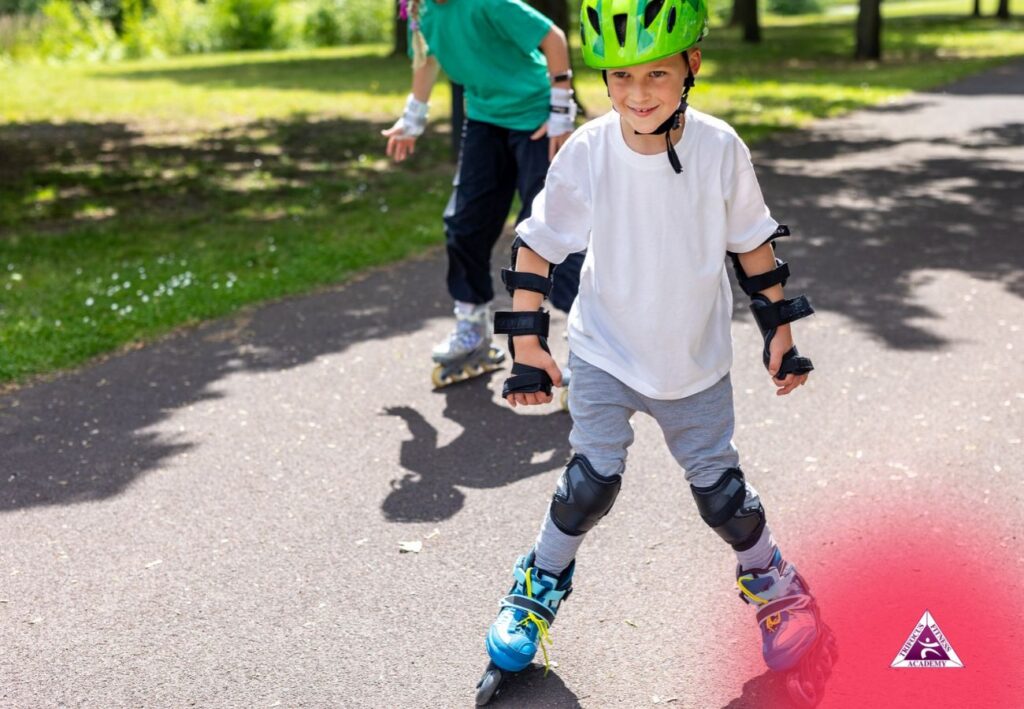
Children and adolescents can benefit from physical activity for fitness, movement skills, confidence, social participation and well-being. For Special Populations youth, however, some activities and sports may need to be planned differently, as some youth have specific physical abilities, coordination problems, or mobility issues and/or medical conditions or previous injuries that could affect how safely they perform the activity.
Special Population may refer to young people who may need adapted approaches to exercise due to disability, chronic health conditions, developmental differences, reduced mobility or other individual needs. These children should not be denied physical activity. So knowing the risk of injury is not about preventing it, but making it safer to participate. Some younger clients may have difficulties with balance, co-ordination, muscle strength, fatigue, or awareness of movement. They can have the same types of common injuries as all active children, such as falls, collisions, sprains and strains, and overuse injuries.
Recognise Individual Movement and Coordination Risks
Children grow at different rates, which matters when designing activities for SPs. Body position, muscle strength, joint stability, balance and coordination, and reaction time can affect injury risk. Children may have developmental or neurological issues which may impact their ability to move effectively. Not all children with a specific condition will have the same problems.
Balance, mobility, strength, and confidence may vary widely between two people with the same diagnosis. Therefore, the Special Populations teacher should watch each child as they perform basic movement skills before moving on to more complex movements. You can assess movement ability by observing running/wheeling, changing direction, stopping, throwing, catching, jumping, stepping, and balancing.
Activities may then be modified. A larger or softer ball could make it easier to catch, and a smaller playing area may help maintain speed. Some children may need more time to learn a movement or instructions before doing a higher-tempo group activity. Environmental issues should also be considered. Uneven surfaces, crowded spaces, equipment placed in unexpected locations or activities that involve unexpected contact can pose unnecessary risks to a participant with limited balance, vision, hearing, mobility, or decision-making skills.
Prevent Overuse Through Gradual Training and Recovery
Not all youth injuries happen instantly. When stress is repetitive and recovery is insufficient, it can, over time, impact muscles, tendons, bones and other tissues. Thus, in Special Populations fitness, as well as in traditional youth sports, it is important to understand overuse. Training overload, or too fast an increase in training requirements, can harm growing bodies. If a young participant suddenly increases their exercise frequency and volume, they may not be conditioned to handle it. Progression for a participant in a Special Population might require even more individualisation. If a child has lower muscle strength or stoicism, movement mechanics may need to change; if the child has experienced an injury, the activity may need more preparation to increase intensity or duration.
Rest is also crucial. The AAP has guidelines to prevent overtraining and recommends frequent rest periods in organised or sport-specific activity for young athletes. Variety also minimises repeated stress on the same body structures. Coaches and instructors should watch for gradual warning signs. If a child continues to experience pain after exercise, has ongoing pain or soreness, performs worse, shows unusual fatigue, or changes their movement because they are protecting one area, this should not be attributed to them becoming fitter.
Use Appropriate Equipment, Environments and Modifications
The setting where physical activity is carried out can affect many injuries. Special-population youth may require special consideration regarding equipment, surfaces, spacing, communication, and activity design. Equipment should be appropriate to the size and capabilities of the participant. The right fit of a ball, seat, equipment placement, or appropriate protective equipment can turn an otherwise suitable activity into an unnecessarily difficult activity. Specialised equipment is not necessary for adaptation. Some activities can be made safer with simple changes. It may be easier to track and catch larger balls; markers can be placed closer together, play can be slower, and rules can be adjusted to reduce physical contact.
There can be a need for a modification of visual and/or auditory communication. Some children need demonstration rather than verbal explanations, and others might need both verbal and demonstration instructions. Introducing what is expected from a participant before an activity can help minimise confusion and unsafe movement. Special Population instructors should also plan for emergencies. Apply professional responsibilities and organisational policies to manage relevant medical information, carer contact details, procedures for caring for the child when they are ill, and appropriate responses to known medical concerns.
Know When Pain or Symptoms Require Professional Attention
A child may get tired or have some muscle discomfort after an activity they have not done before, but some symptoms are not normal and should not be ignored. Special Populations youth should note when their typical behaviour and/or movement is different. If the pain keeps recurring while exercising, worsens over time, causes the dog to limp or change how it moves during exercise, or is constant at rest, the dog may need further evaluation.
Sudden injuries also require a proper response. If there is significant swelling, normal use of the affected limb is impossible, loss of consciousness, difficulty breathing, severe pain, or any other “concerning” neurologic symptoms occur, the exercise should be modified and continued. Teachers who are working with a Special Population should stay within the scope of their profession. If there is a health concern, a fitness instructor/coach should be able to identify it and suspend an activity, but should not diagnose injuries or medical conditions unless qualified to do so.
Communication with parents/carers, physiotherapists, doctors, and/or other relevant professionals may be required to determine appropriate activity. It is also important to encourage children to express their feelings. They sometimes go on exercising when they feel pain because they think it is part of the exercise or they don’t want to let adults down. Creating an environment where children can report pain, fatigue, fear, or difficulty without embarrassment is an important injury-prevention strategy. Participation is safe not only because of the type of exercise chosen, but also because the child feels confident that they can voice their concerns when they don’t feel safe.
Conclusion
Knowing and understanding the factors that increase injury risk is a key component of developing safe and fun physical activity programs for Special Populations youth. Don’t assume that children with adaptations need to be treated as frail or prevented from participating in sport. Instead, plan activities for each person’s ability, health, movement ability, and developmental needs. Movement and coordination differences may affect balance, reaction time and control. Through appropriate observation and modification, instructors can identify when equipment, rules, pace, or movement requirements need to change.
Contact the Trifocus Fitness Academy
The Trifocus Fitness Academy offers a specialised online and internationally accredited Exercise and Special Populations Course designed to equip professionals with all the skills and knowledge needed to succeed as a professional Personal Trainer.

Frequently Asked Questions
Common concerns include falls, overuse injuries, poor movement control, fatigue, unsuitable equipment, and environments that don’t match the child’s physical or developmental needs.
Progressive overload helps the body adapt to new demands. Ramping up intensity, duration, or complexity can lead to fatigue, poor technique, and an increased risk of injury.
Coaches can adjust activities, allow sufficient rest, track training volume, and remind kids to watch for pain and avoid overworking the same muscles or joints without rest.
Using appropriate equipment can make activities safer and easier to control. Modifications like reduced-weight balls, increased space, supportive seating, or simpler movement activities can improve participation and reduce unnecessary risks.
If the child has a lot of pain, dizziness, difficulty breathing, sudden weakness, unusual swelling, or other troubling symptoms, stop exercising. If these issues continue, an appropriate health care provider should evaluate them.
Clear communication, appropriate supervision, taking it easy and building up gradually, suitable equipment, regular rests, and awareness of the child’s individual needs can contribute to a safer, more supportive exercise environment.