
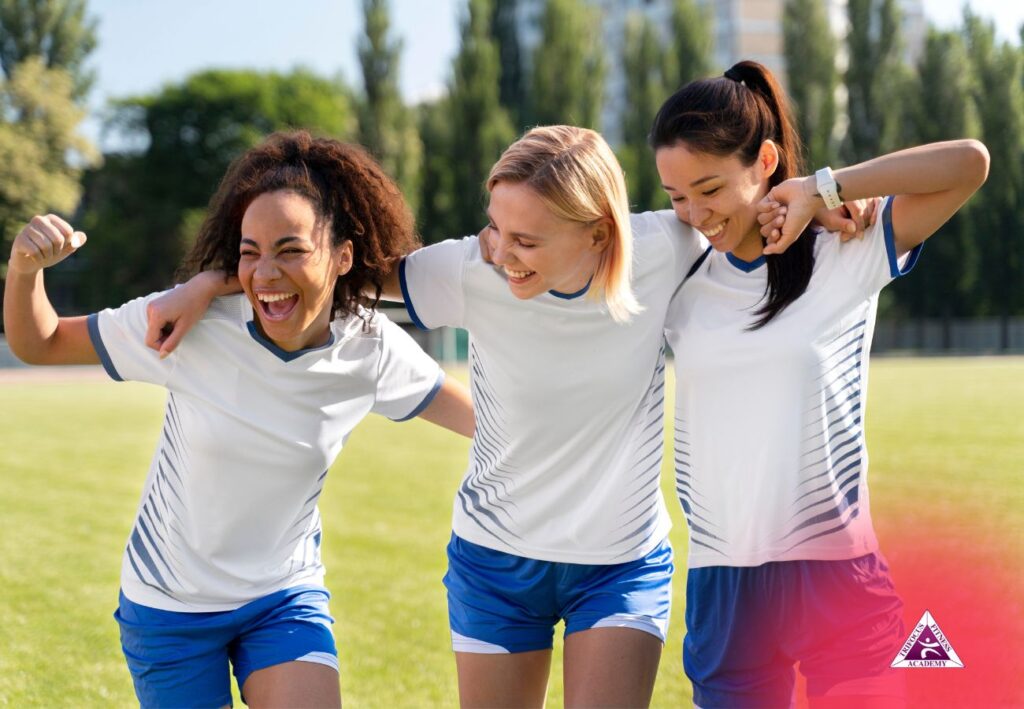
Success in sports involves more than just talent or strategy. Despite the importance of technical aspects and techniques, the culture within a team frequently makes the difference in whether an athlete prospers or flounders. Positive and inclusive culture provides confidence, motivation and perseverance, whereas a negative one can cause experienced conflict, burnout, or disengagement. This is why culture-building has become the most crucial aspect of coaching sports.
In today’s varied sporting world, we have athletes from diverse backgrounds, cultures, genders, and abilities. As part of their job, coaches are expected to do more than rule with an iron fist; they also lead with empathy and sensitivity. Inclusive sports coaching means making all athletes feel valued, respected and supported, no matter how different they are from you. It elevates the spirit of the team and the performance, allowing for each athlete to realise his full potential on and off the pitch.
Why Inclusion Matters in Sports Coaching
The core of a positive culture on the team is inclusion. It guarantees every athlete will feel seen, heard and respected regardless of their race or what they can do. In sports coaching, inclusion is more than letting different people take part; it’s about making sure that everybody can succeed.
If you play on a sports team, many of your teammates are from various social, economic and cultural backgrounds. When they’re omitted, certain athletes can feel isolated, and that can lead to disengagement or friction. By contrast, inclusive sports coaching values diversity as a source of strength. Athletes learn to respect others, appreciate different viewpoints and work together better.
Inclusion also supports athlete development. It’s not just one size fits all; I believe players learn and progress in different ways. Some athletes might respond to spoken instructions, while others prefer visual indication or individual feedback. Identifying and accommodating these needs is how a coach makes certain that every player gets what they need.
Another dimension of inclusion is gender equality. Women and non-binary athletes have faced a long history of exclusion in sports. Challenging sports coaching of the contemporary kind should level the playing field for its athletes, regardless of gender or other differences in stature. This dedication not only serves individuals but also enhances the overall team.
Building Trust and Respect Within the Team
Trust and respect are the underlying values of all successful team cultures. Without them, the best groups can never seem to gel. Sports coaching plays a crucial role in developing such characteristics through consistent actions, clear guidelines, and by being a supportive leader.
Trust begins with transparency. Athletes want to have confidence that coaches make decisions with fairness and the best interest of the team in mind. Sports coaching that focuses on honesty, whether it’s about playing time, performance expectations, or feedback, builds credibility. Athletes who trust their coaches are more likely to buy into the team’s goals fully.
Respect is equally essential. The tone is set by coaches who wisecrack and joke among themselves, but treat every athlete with respect, no matter their ability level or background. This entails, amongst other things, respecting personal limits, listening to uncertainties and dealing with any conflicts which may arise constructively. When athletes do not feel disrespected by coaches, they tend to be more motivated to exert the necessary effort in their pursuits.
Mutual respect also enhances the team ethos. They can do this by promoting team activities, emphasising the importance of each role and discouraging cliques or favourites. For instance, acknowledging a backup or defensive player will contribute to every athlete feeling vital.
Encouraging Collaboration and Team Cohesion
A good and open culture is one where collaboration becomes an integral part of your personality. Collaborative teams outperform groups of people, no matter how brilliant those individuals are. The purpose of sports coaching is to give shape and direction to the group of players.
Clear communication is a crucial aspect of collaboration. Sport Coaches should encourage communication between athletes and create a feedback environment. Regular team meetings, goal-setting sessions and check-ins provide opportunities for athletes to share their own points of view. Open communication reduces misconceptions, and athletes are more likely to be engaged in the team goals.
Collaboration also requires role clarity. Players must understand their roles on the team and how they can contribute to team success. Clarity is central to sports coaching; everyone, from the star striker to the reserve goalkeeper, knows what role they play and what value they bring.
Another helpful tool is teambuilding exercises. Bonding activities off the field of competition, including team workouts, trust exercises or social events, help develop relationships and camaraderie. Sport Coaches who emphasise such experiences create bonds that transform onto the field.
Conflict resolution is also essential. Clashes are a part of life in any group, but sports coaching offers guidelines on how to deal with disagreement in a positive manner. Coaches prevent problems from becoming long-term divisions by teaching athletes to deal with conflict through empathy and problem-solving.
Long-Term Benefits of Inclusive Sports Coaching
Developing a positive and inclusive culture isn’t just beneficial in the short term, but offers long-lasting payoffs for athletes, teams, and organisations. Inclusive and positive environments not only help athletes perform better but also aid in developing skills that last a lifetime.
One big long-term win is athlete retention. Athletes tend to be more engaged in sports when they feel valued and included. Enhanced Sports Coaching increases opportunities for higher dropout rates, driving away younger athletes who are more likely to be overlooked and weakened.
Another benefit is mental well-being. Teams with a positive culture make it less likely for athletes to feel the stress and anxiety associated with competitive play. Excellent coaches who teach empathy and respect, thus producing environments in which athletes feel comfortable discussing and being honest about their difficulties, also make a difference.
Coaching for disability sports also facilitates the development of athletes off the field. Communication, teamwork, and the development of empathy are skills that can be carried forward into careers, relationships and community engagement. Athletes who excel in more inclusive environments frequently turn out to be leaders in other aspects of life.
Organizationally, welcoming cultures help build reputation and draw in talent. Teams with a culture of fairness and positivity attract athletes, coaches and supporters with similar values. And that is how you build a successful program, one that can succeed across seasons, not from season to season.
Finally, inclusivity drives performance. Athletes who trust their coaches and teammates will be more motivated, more resilient, and operate with a greater sense of camaraderie. Mental safety and physical readiness combined make for a more predictable product on the field.
Conclusion
Fashioning a positive and inclusive culture is now just as vital in modern sports as on-field performance. While skill and strategy are critical, the primary driver of success is the environment that coaches build. An inclusive approach to sports coaching promotes trust, develops community, and helps athletes feel appreciated, both as players and as individuals.
Sports Coaching supports athletes to flourish in safe and supportive environments by embracing diversity and fairness. When trust and respect are the basis, athletes tend to be more motivated to take risks and participate in their team’s objectives. Collaboration fosters unity and inclusivity, making every competitor feel like they are part of the team’s mission.
The Trifocus Fitness Academy offers specialised online and internationally accredited sports conditioning courses designed to equip professionals with all the skills and knowledge needed to succeed as a professional conditioning coach.

Frequently Asked Questions
Team culture defines how athletes interact, perform, and develop. When it’s good, we get trust, respect, and motivation; when it’s bad, we suffer through conflict or burnout or disengagement. Athletics coaching culture has implications that extend beyond mere performance to athlete welfare, retention and satisfaction. Coaches who foster inclusive, supportive climates enable athletes to thrive and develop resilience while supporting steady performance. At the end of the day, a strong team culture breeds long-term success not only in swimming competition but also in competitive swimmers.
Being inclusive when coaching sports is about respecting all athletes regardless of their background, gender or ability. Coaches can work to eliminate exclusivity by providing a training ground that is customised to the individual, one which provides equality of opportunity and teaches respect between teammates. Inclusive educational practices are facilitated by open communication, an appreciation for diversity and a willingness to challenge prejudice.
The trust is meaningful in sports coaching because it results in more stable coach-athlete relationships and makes the teams glued together. An athlete must believe that his coach’s decisions are just and in his best interest. Trust is a coach-rider relationship built on transparency, honesty, and habitual follow-through. When an athlete can believe in their coach, they will invest more into training and team objectives.
Teamwork flourishes when athletes can speak their minds and have a clear understanding of their specific jobs. Here are three ways they can build cooperation: Coaches can foster collaboration through team-building activities, shared goals and opportunities where athletes feel like they are helping each other. Athletics coaching can also promote the inclusion of dialogue in which every athlete’s voice is of value. Coaches, through instruction on conflict resolution and peer respect, ensure that the athletes are working well together.
The benefits of inclusive Athletics coaching go far beyond performance. Athletes in inclusive settings are also more likely to remain involved, avoid burnout, and become resilient. They also learn skills that can be applied outside of sport, such as communication, leadership and teamwork. Teams with positive cultures attract skilled people, receive community backing, and get good reputations. Sports coaching emphasises inclusiveness and positivity, aiming to build sustainable success from the ground up, developing athletes who are not only strong players but also growing individuals and leaders.
Athletics coaching redresses the balance of moral and performance development, advocating fair play, athlete welfare and respect as well as physical readiness. Coaches also ensure that programs push athletes for progress while maintaining safety and inclusivity. They teach athletes that integrity, sportsmanship and teamwork are invaluable assets to strive for excellence. This ethic lays the groundwork for resilience and trust that leads to long-term success.