
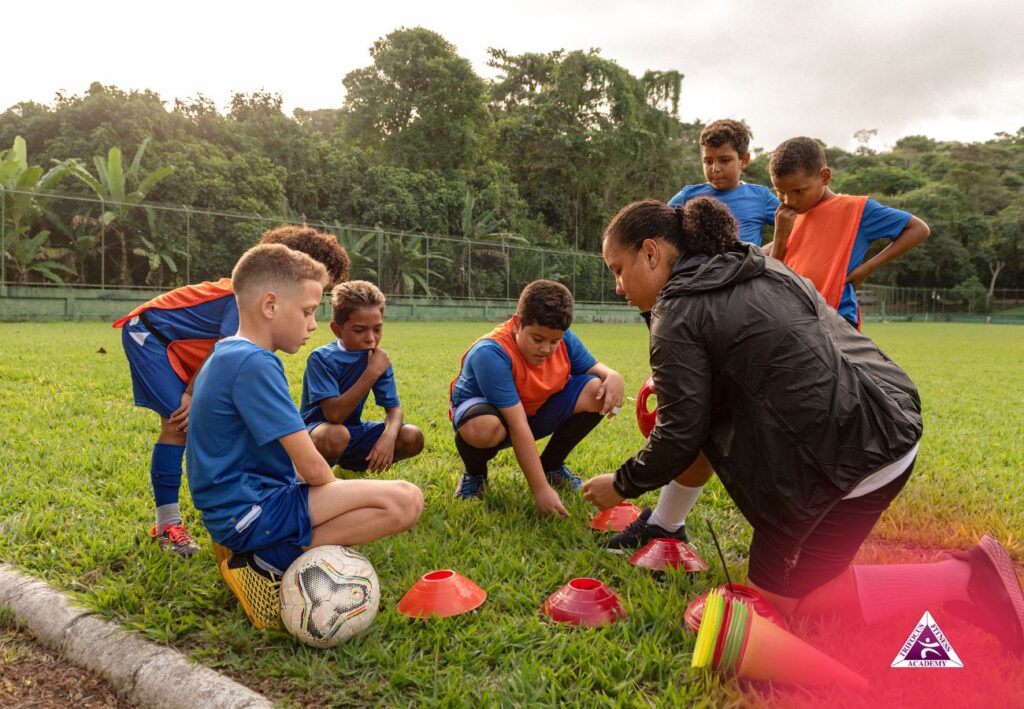
Strong communication is key to success in any sports coaching. It uses words and their delivery to pass information either through the media, such as movies or music, etc., but in a special sense, we refer to coaching as messages passed when teaching youth sports (youth sport), training amateur, elite professional athletes and teams. Conducting thorough communication is more than just a sports coach giving proper instructions. It all comes down to building trust, understanding each other’s needs, setting clear expectations, and creating an open forum where athletes feel valued and empowered to grow.
Sport Coaches and athletes who communicate well have a similar vision and can work together effectively. This promotes an open discussion, reduces confusion, increases work productivity, and strengthens team coherence. The most talented of teams will underperform if communication breaks down. However, setting up systems of effective communication is not only a logistical necessity, but a method of leadership that makes training easier, feedback more dynamic and personal relations more friendly.
Setting the Foundation: Early Expectations and Structure
Communication starts at the beginning of a lifelong relationship between athlete and coach. First, you should set early expectations in sports coaching to get the tone for the entire season or program. Performance objectives are vital, but coaches should also detail standards of behaviour, preferred forms of communication and align on team values.
Sports coaches can outline how they will communicate to parents (both first in person at meetings or training sessions and repeating it through group meetings and one-on-ones, written updates or on digital platforms); This structure allows athletes to know when and how information will be communicated, thus building trust and reducing anxiety.
Creating communication agreements is also a positive action in sports coaching. These may include what will be expected responses from athletes, when to raise concerns and how the coach will deal with conflicts. Athletes who understand the framework are more likely to conduct themselves respectfully and professionally.
Clarity at the Start: Coaches ensure a transparent beginning, eliminating any room for confusion that could lead to further conflicts. By setting clear expectations, athletes also learn to take ownership of their communication. Produces a transparent format which becomes the blueprint for all future interactions, enabling sports coaching to blossom.
Delivering Consistent and Constructive Feedback
One of the most potent sports coaching tools is feedback; however, it has to be done promptly, consistently and in the right tone. Sporadic/unclear feedback — Without an accurate and easy-to-digest picture of their progress, athletes may feel disconnected or removed from the development process.
With any sports coaching, there also needs to be an element where the coach is checking in regularly and providing specific feedback. Coaches should not only give simple advice or criticism, but also provide feedback based on observations. A coach may say, for instance, “Work on your foot placement when you sprint to get a better push off,” instead of “You have to improve.”
Constructive feedback also requires balance. The player is focusing on what is already going well, which adds confidence, and pointing out areas for growth can enhance a player’s game. In general, employing the “sandwich method”, i.e. positives followed by constructive feedback and then closing on a note of encouragement, is more likely to be effective.
Consistency is key. Coaches must Protect Access to Familiar Channels for Feedback – The sports coaching process should present feedback via the same channels, and in a tone that is complimentary to the athlete. And that makes it safe enough to provide coaching, without the feeling of judgement. That is, until clear and consistent feedback becomes an integral part of the athlete’s journey through development over time.
Encouraging Athlete Input and Active Listening
It is more of a two-way thing when you are communicating as a coach in the world of sports. The best coaches are good listeners and great communicators. This approach will help create a better all-around understanding and relationship with the athletes while also catering to everyone’s needs. Athletes who feel heard are more engaged, motivated and will probably be all-in when it comes to the program.
Dialogue in Sports Coaching Environments that Create Space for Growth. For example, coaches can lead open forums or have one-on-one conversations with players to uncover pain points or even conduct anonymous surveys to gauge how well players are performing or attending practice. Why not just keep it simple and ask questions like… “What’s working for you?” or” What is getting in your way? Creates Buy-In from Athletes
One of the skills that a coach is required to develop is active listening. Listening, meaning you are actively in the moment, watching them as they speak and responding with genuine words. In my experience, when coaches are genuinely interested in the perspectives of athletes, it strengthens the relationship between coach and athlete and encourages honesty.
Additionally, empowering their athletes to voice concerns catches potential issues early that might otherwise go unaddressed. This way, it is a joint process and, therefore, sports training also becomes a discussion and not only an order.
Adapting Communication Styles to Individual Athletes
Naturally, not all athletes are the same and sport coaching that presumes men of a certain age will respond similarly in learning environments is destined to fail. If a coach can recognise specific communication methods and personality types, the message is more likely to be effective.
Direct and assertive commands work well for some athletes, while others may need encouraging guidance to inspire performance improvements. For coaching purposes, learning whether an athlete excels with verbal explanations, visual demonstrations, or written feedback can significantly enhance your experience as a coach.
Sports coaching can benefit from understanding those generational and cultural differences. Younger athletes often use digital updates or text messages, and they can be the most effective. In comparison, older athletes may value face-to-face meetings. It is also essential to remain sensitive to language barriers or learning problems.
They can utilise personality assessments or make use of a keen eye to decide upon the coaching style they employ. A shy athlete might find success with silent coaching during individual drills, while a social butterfly might do better hearing loud praise in front of the team.
If communication is adapted to the individual, sports coaches build trusting relationships, increase understanding and motivation. The outcome is a team of athletes who feel heard and supported in the most meaningful ways.
Conclusion
Communication is the lifeblood of coaching. In the hustle & bustle world of sports coaching, communication isn’t a transactional function; it’s more like glue, binding a team together; or a bridge, connecting coaches to their athletes; or an engine that fuels individual & athletic growth. The fact is, without those clear lines of communication, even the best athletes and well-recognised coaches can misfire.
Starting on the right foot and creating a structured path in terms of communication. Athletes know where they stand and are provided regular, constructive feedback. Most importantly, promoting a culture of self-responsibility opens conversations to foster deeper connections and trust between athletes. These four pliers turn sports coaching from a top-down, bureaucratic system into an iterative, adaptive and high-impact practice that is sustainable.
The Trifocus Fitness Academy offers specialised online and internationally accredited sports conditioning courses designed to equip professionals with all the skills and knowledge needed to succeed as a professional conditioning coach.

Frequently Asked Questions
Through sports coaching, clear communication enables athletes to understand the expected standards for their performances, the training goals they should aim for, and the relevant feedback they will receive. It provides a framework for ensuring everyone is aligned and working towards the same goal. Without it, you will confuse your teams, cause people to be upset, and the result will be underperformance. In addition, effective communication establishes trust, holds the player accountable and fosters a strong coach-athlete relationship.
Begin each season or program by developing a communication plan. This even covers the mechanics of posting updates and feedback, asking questions, and dealing with conflict. Team meetings, one-on-one check-ins, and communication agreements are tools that help players know when to enter purposeful conversations surrounding diversity. In doing this early, the coaches minimise confusion while also maintaining consistency, ultimately making it easier for athletes to stay engaged, which helps keep them motivated and informed throughout their time training and competing.
Feedback to challenge sports coaching communication. Feedback is at the heart of effective sports coaching communication. It also forces athletes to recognise what they are doing right and where their mistakes lie. Without a reasonable frame, Feedback, even well-intended, is destructive, not constructive and that results in pain and frustration for both parties. On a macro level, coaches should provide a blend of positive reinforcement and constructive criticism across a consistent medium.
Including athletes in communication establishes a basis of respect, buy-in, and trust. So lifting the voices of athletes promotes them to be more bought into their development. The more these questions can be used openly and candidly, the better a relationship on and off the court will develop, while simultaneously providing insight to the coach that might be being overlooked. Working together in this way not only helps ensure that the course best meets the needs of its learners but also generates a culture of open communication where learning and development can flourish.
Not every athlete retains information equally well. It also requires understanding the personality and learning style of each player or athlete you work with. For some athletes, the most effective instructions are direct, but for others, they may come from encouragement and visual cues. Adjust your communication style according to the person; how you speak with an individual shows your willingness to understand and can enhance comprehension.
Good communication is a catalyst for better outcomes with athletes, sustained relationships and self-growth in sports coaching. This, in turn, sets a culture of Trust, Consistency and respect. It breeds more confident athletes, better coaches, and ultimately more cohesive teams. And these kids not only learn about how to communicate in sports effectively, but they also pick up on it outside of the athletic realm, helping with academics, professional situations and socially.