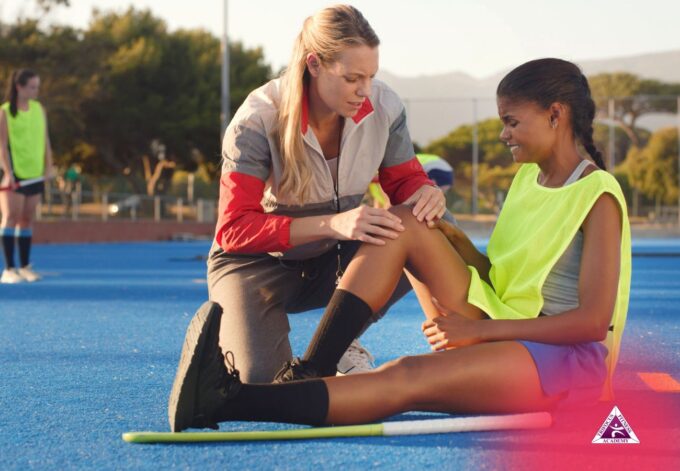
Injuries can affect an athlete’s physical function, confidence, motivation, and well-being, whether they are competing professionally, at a recreational level, or just for their own fitness. Although there are critical roles for the medical professionals, physiotherapists and rehabilitation specialists, there is also an important role for sports coaching throughout the…
Read MoreSports Course Blog
One of the most important traits that an athlete can acquire is adaptability. In competitive sport, things don’t always stay the same. The ball is taken out of your hands, the weather conditions shift, injuries occur, and unexpected problems pop up. Athletes who adapt well to such situations are more…
Read MoreAthlete burnout is becoming more common across all levels of sport, from youth participation to elite competition. It was once thought to be limited mostly to professionals, but it now targets school players, amateur competitors and even recreational participants. Burnout develops over time. Fatigue is not only physical; however, it…
Read MoreTalent Identification and Development in Sports Coaching is one of the most significant and challenging sections for conducting successful athletes/teams. That has far more to do with identifying a naturally talented player. Building true talent is a marathon, not a sprint; it takes patience, structure, and an appreciation for the…
Read MoreAs sport participation expands globally, a critical issue centres on the ethics of youth and amateur sports coaching. While messages of competition, performance, and achievement are often emphasised, the ethical responsibilities of coaches may be equally critical. In youth and amateur environments, coaches are charged not just with developing skills…
Read MoreReflection and self-evaluation seem to be most widely ignored in the coaching world. Most coaches get too focused on training plans, tactics, and performance outcomes with little consideration for looking inwards. Coaching without reflection can often become formulaic, restrictive, and out of touch with athletes’ ever-changing needs. The essence of…
Read MoreDecision-making is one of the most demanding and influential skills in sports coaching, especially at the competitive level. Coaches are often required to make quick decisions that carry real weight, directly affecting how athletes perform, how teams succeed, and how individuals grow over time. Whether it is planning a training…
Read MoreConfidence is one of the most critical factors in athletic performance. Even the most skilled and well-prepared athletes can fall short if they do not believe in themselves. Confidence affects how athletes train, handle pressure, and bounce back from mistakes. In competitive settings, confidence often separates athletes who consistently perform…
Read MoreEmotional intelligence has become one of the most valuable skills in modern sports coaching. While technical knowledge and tactical strategies remain essential, they are no longer sufficient on their own. Coaches today work in emotionally charged environments filled with pressure, competition, and constant evaluation. How well they understand and manage…
Read MoreTactical awareness is a key part of athletic performance, especially in competitive sports where physical skill alone is not enough. Athletes who know how and when to apply their abilities during a game tend to perform more consistently and effectively. This kind of awareness allows them to read situations, anticipate…
Read MoreConsistency is one of the most powerful yet often overlooked elements of effective sports coaching. While technical knowledge, motivation, and strategy all matter, athletes ultimately judge their coaches based on how predictable, fair, and reliable they are over time. When a coach is consistent, it builds trust, and trust is…
Read MoreMaking sure that the parents are involved is an essential part of sports coaching, particularly in youth sports. Parents can be an incredibly valuable resource; they can create an environment in which their children can flourish not only in sports but in life, too. Parental involvement dynamics can be complicated.…
Read More