
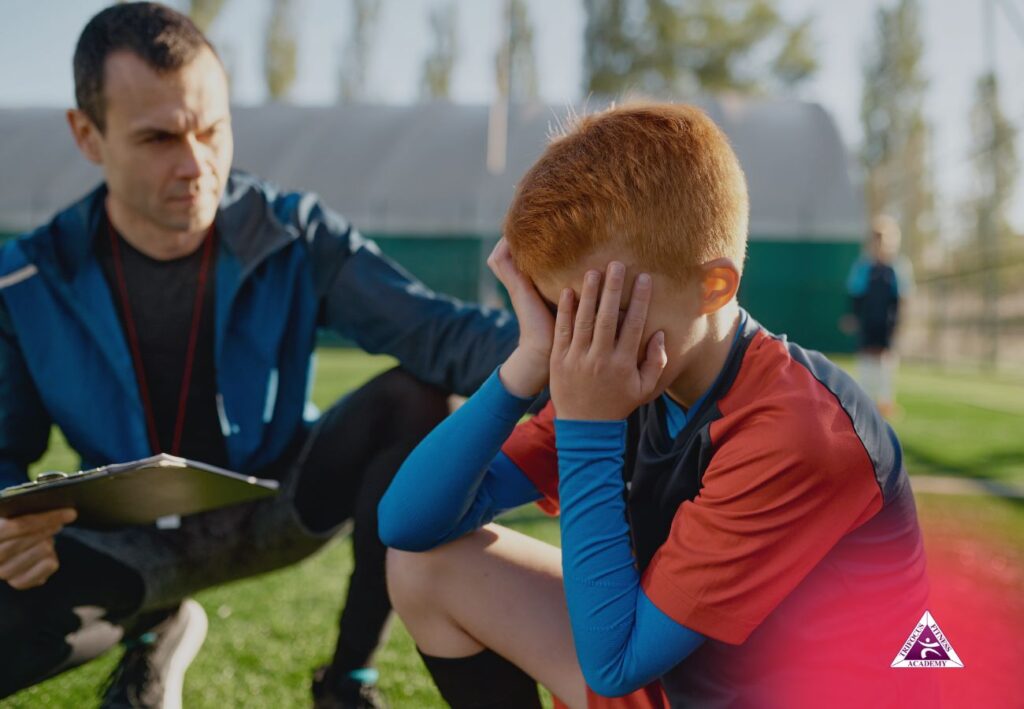
Sports coaching is a profitable but often arduous career that requires the coach to refine the athletes’ skills and deal with all personalities. Managing challenging athletes and parents is one of the more complex components of sports coaching. These roles require strong communication and leadership skills to keep a sports environment positive and productive, whether it is behaviour issues, unrealistic expectations or conflicts.
Managing these situations is essential for the team’s well-being, including the athletes. Be firm, be understanding simultaneously, earn the athlete’s trust and maintain communication with the athlete and their family. The generation of great sports is an art few have mastered. We can also better understand the reasons behind challenging behaviour and use preventative methods to lessen crashing and create an environment of collaboration.
Setting Clear Expectations and Boundaries in Sports Coaching
In sports coaching, one of the best ways to handle more challenging athletes and/or parents is to establish your expectations and boundaries early. Rules on behaviour, communication, and roles can help create a fair and respectful environment.
One of the most critical functions at the beginning of a training program or season for a sports team is for the coach to meet with athletes and their parents to explain team goals, policies, and expectations. This meeting clarifies roles: coaches help develop athletes’ skills and strategies, while parents should be encouraged to support their children positively rather than intervene in coaching decisions.
A written code of conduct specifying acceptable behaviour, attendance, commitment, and sportsmanship should have everyone on the same page. This agreement should be reviewed and signed by the athlete and parent as a pledge to work through the values and rules of the team. Taking this step in advance helps avoid misunderstandings at the time and gives everyone a point to refer back to should problems develop down the road.
When enforcing expectations, consistency is key. Like coaches, sports must enforce the rules for all players and parents equally. Prompt private correction of inappropriate behaviour or violations sets the tone and exemplifies leadership in fostering mutual respect.
Established guidelines can encourage professionals in Athletic coaching to create a disciplined environment of respect and positivity for athletes and appropriate information-sharing involving parents.
Maintaining Open and Consistent Communication in Sports Coaching
In sports coaching, open and consistent communication is foundational to managing relationships with athletes and parents. For example, clear communication builds trust, avoids misunderstandings and creates an environment where superpower skirmishes are addressed positively.
Sports coaches should also implement regular forms of communication with athletes and parents through weekly messages via email, team meetings, or dedicated communication apps. Sharing updates on training schedules, game plans, and individual progress keeps everybody in the loop and reduces anxiety or confusion.
Coaches should be approachable and understanding by listening actively when concerns or feedback are brought up. Your message encourages athletes and parents to respond openly and to share their thoughts respectfully. Public coaches should listen, hear the person out, validate their concerns, and answer honestly with fact-based information. This approach shows that the coach cares about the team’s thoughts but will always be in charge.
It is also essential to set boundaries around communication. Sports Coaches must set appropriate times and mediums for discussions and not wait for spontaneous conversations between games or practice. Private meetings must be scheduled as required so that the conversation can occur respectfully and with focus.
Consistent and open communication aligns with the principles of sports coaching, ensuring that expectations are clear, misconceptions are addressed, and a supportive atmosphere is cultivated that benefits both the athlete’s journey and group dynamics.
Fostering a Positive Team Culture in Sports Coaching
A positive team culture is one of the most essential strategies for dealing with demanding athletes and parents in sports coaching. Setting up a strong sense of inclusivity and mutual respect for the team environment enables you to prevent conflicts, encourage good behaviour, and keep the team cohesive.
Sports coaches should set an example by showing professionalism, respect, and passion during practices, games, and all interactions with athletes and parents. This establishes the standard for behaviour and strengthens the team’s core values.
Building team rituals and traditions can also create a sense of mutual belonging and solidarity. Team-building exercises, group rewards for shared goals, and collaborative goal-creation meetings foster teamwork and shared accountability. When athletes know their worth and belong to a well-aligned team, challenging behaviour is dramatically lower.
Celebrating both individual and team performance fosters a positive environment. Regularly reinforcing positive behaviours provides positive reinforcement and, if done on time, motivates athletes to continue on track. If you’re a sports coaching professional, make sure praise is genuine, specific, and inclusive.
Encouraging parents to get involved — from social events for your team to ways they can volunteer — creates community and partnership. When parents feel connected and valued, they are likelier to go the extra mile to support the coach’s efforts and respect team guidelines.
When coaches promote a positive team culture, conflict decreases, trust increases, and families feel part of something , helping work to achieve goals together.
Implementing Conflict Resolution Techniques in Sports Coaching
Many problems can be breathed into a system, and disputes will occur regardless of how many folks work to make it prosperous. With sound conflict resolution techniques established, coaches can calmly and constructively resolve issues, preventing disputes from causing disharmony within the team.
In a conflict, sports coaches must stay calm, be objective, and focus on a solution. Start by collecting all the facts and hearing both sides of the story without bias. Active listening shows respect and helps reduce tension.
Once the issue is identified, coaches must help facilitate a private and respectful dialogue between all parties involved. State the problem clearly, highlight the impact on the team, and work together to find a solution. Urge open discussion and concessions, emphasising common objectives and mutual respect.
Establishing clear action steps and follow-up plans helps hold people accountable and reinforces the resolution. The coach should document this so there is something to fall back on if and when future issues arise.
When it is not possible to resolve the conflict through direct communication, it becomes necessary to escalate the conflict via a neutral third party, such as an athletic director or mediator. This creates fairness and prevents abuse of the sports coaching process.
Conclusion
Working in the sports industry and working with very demanding athletes and parents is not a coaching problem; it is simply part of the job, and by thinking about it differently, you can successfully problem-solve. Establishing expectations and boundaries provides a basis for conduct in the relationship and a framework which others can respect, while open communication builds trust. A healthy team culture brings people together while minimising conflicts, and conflict resolution strategies help rectify any issues raised efficiently. Using these techniques, sports coaching professionals can develop a nurturing and cooperative atmosphere that collectively serves the greater interest of the athletes, their parents, and the team.
Contact the Trifocus Fitness Academy
The Trifocus Fitness Academy offers specialised online and internationally accredited sports conditioning courses that have been designed to outfit professionals with all of the skills and knowledge needed to find success as a professional conditioning coach.

Frequently Asked Questions
In sports coaching, setting clear expectations starts with communicating clearly. Hold a pre-season meeting for athletes and parents to discuss team rules, values and goals. Drawing the line for the responsibilities of each side helps avoid misunderstandings. A code of conduct, written out and put in front of the athletes and their parents for review and signature, fortifies the behaviour standards for the team. It’s imperative that coaches enforce these rules equitably and uniformly and that violations be dealt with swiftly. Also, by fostering open lines of communication, setting appropriate boundaries, and having respectful exchanges between athletes and their coaches, sports coaches can establish a systematic environment that relies on crystal clear expectations for the athletes and respect for the coach’s authority on behalf of the parents.
Maintaining communication, putting your foot down, and listening are effective communication strategies for Athletic coaching professionals. Regular updates, sent via email, apps or meetings, keep parents abreast of schedules and players’ progress. A coach should encourage parents to raise concerns appropriately, in a proper forum, not during a game or practice. With conflicts, it’s key to stay calm, listen without judgment, and respond with clear facts. Open, respectful communication builds trust and can help prevent unnecessary miscommunication or conflict.
A healthy team culture has been proven to assist with challenging athletes. These can include coaches who model positive behaviour, call for inclusivity, and celebrate individual and group successes. Creating team-building experiences and developing team values reduces negative behaviours and creates a sense of belonging. Athletes who exhibit a sense of belonging and responsibility through their identity in their team are less disruptive. Positive reinforcement and acknowledgement of effort motivate athletes to remain engaged and dedicated to the team’s success.
Empathy is the key to conflict resolution in sports coaching. When conflict occurs with an athlete or parent, empathetic coaches are better equipped to appreciate the bigger picture. Those listening and validating feelings help reduce tension and demonstrate that the coach cares about the perspective of those involved. Coaches who truly embrace empathy do not merely listen but demonstrate a genuine understanding of their clients’ situations, resulting in more productive conversations and mutually agreeable solutions. When athletes and parents feel heard and understood, they are more likely to be cooperative and honour the coach’s decisions.
From a coaching perspective, it is maintaining authority balance with comfort. This is where coaches need to set boundaries and expectations early, ensuring they understand who does what. Professionalism, fairness, and consistency in decision-making reinforce a coach’s authority. On the other hand, being approachable is trying to maintain an open-door policy where athletes and parents can approach you with concerns — as long as it’s respectful. The discipline (in firmness) with gentleness (consideration with empathy) and listening (active listening) enables the coaches to preserve their leadership role and hold on to the belongingness aspect of coaching in the team.
If the conflicts with the parents escalate to the point where the coach can no longer deal with them, the coach should seek out a person who works in neutral territory, such as an athletic director or league administrator. By committing to the issue and laying out the facts of the case, you are documenting the facts, which always comes down to transparency and fairness. A neutral third party can help to mediate the discussion and guide both parties toward a collaborative conversation. Always stay professional and do the right thing for the athlete and team. So, by asking for help when needed, sports coaching professionals maintain the integrity of their coaching role and work towards a favourable resolution for everyone involved!