
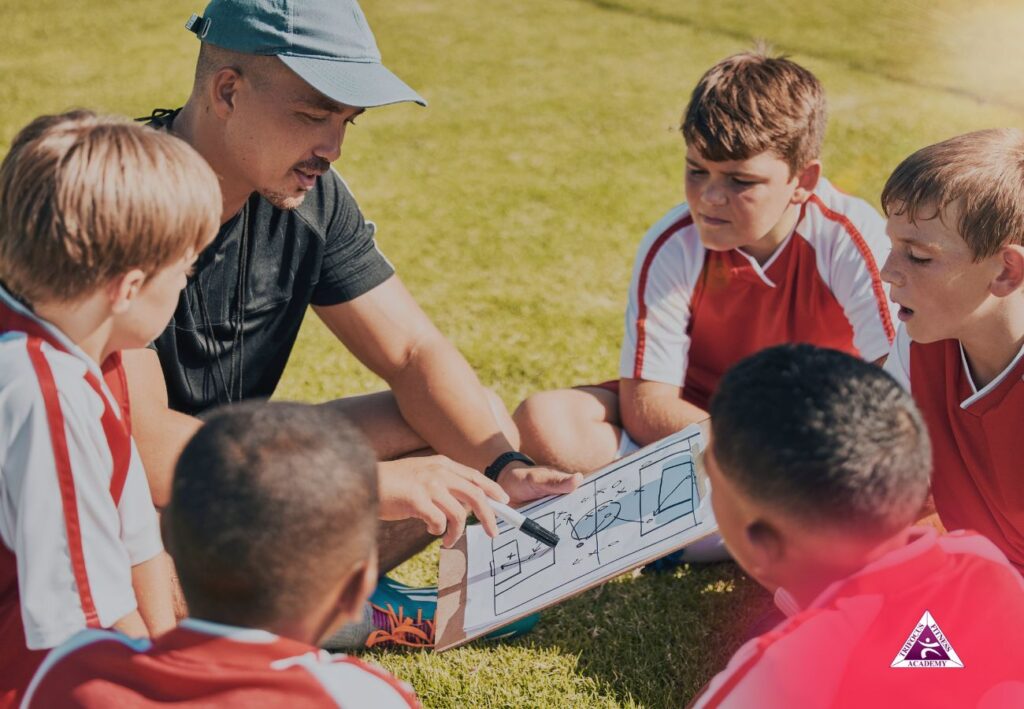
Gone are the days when Sports coaching was entirely instinct-led and based purely on experience. The incorporation of sports analytics has revolutionised coaching practice for training, performance analysis, and strategic planning. Utilising data, Sports training is more scientific, individualised, and enables coaches to base decisions on data and improve athlete and team outcomes.
Sports analytics resources, which track player fitness, skill execution, tactical efficiency, and injury prevention, are enabling a more holistic approach to coaching, evolving the coaching paradigm. In an era of remarkable technological progress, data is playing an increasingly important role in the development and coaching of athletes, providing coaches with a unique capability to personalise interventions designed to suit the precise needs of an individual athlete or a team.
The Role of Sports Analytics in Modern Sports Coaching
Information provided by sport analytics is essential for modern coaches, as it helps them make informed decisions on various aspects of athlete and team development. Traditional training in sports and coaching used to heavily depend on subjective observation, intuition, and empirical experience. These things are still important, but sports analytics makes coaching more scientific.
Performance analysis is one of the most essential fields in sports analytics, significantly impacting sports coaching. Through monitoring KPIs (Key Performance Indicators) such as Speed, Agility, Power, Endurance, and skill levels, coaches can gain a fundamental understanding of the athlete’s current level and progression at any point. This information enables coaches to pinpoint strengths and weaknesses, individualise training regimens, and track progress over time.
Tactical decision-making is another crucial aspect of the game that is enhanced and informed by sports analytics. With sophisticated software tools, coaches can break down game tapes, analyse player positions, and even dissect the opposing team’s plan of attack. This analysis helps fine-tune team tactics, formations, and game plans, adjusting them to various opponents used as opposition. In team sports, including football, basketball, and soccer, knowledge of players’ positions and movement patterns can be the difference between winning and losing a game.
Player health management and injury prevention are two key areas greatly influenced by sports analytics. Tracking biometric data, workload, and recovery patterns enables coaches and medical staff to detect early indicators of overtraining or injury risks. Sports coach education program instructors may use this information to adjust training loads, tailor rest periods, and implement interventions to support the health and well-being of athletes.
Key Areas Where Data-Driven Sports Coaching Has the Greatest Impact
Sports analytics in sports coaching are beneficial in a wide range of areas that combine to determine success in athletics. Knowing where the data has the most impact helps coaches target their efforts and extract the most value from data-driven coaching.
Performance Monitoring and Training Optimisation:
Real-time monitoring is an essential component of Sports coaching for tracking the athlete’s performance and ensuring they are on the right track to realise their goal. Physical conditioning, techniques, and emotional aspects are among the information that sports analytics extracts to measure performance. Through reviewing this data, coaching staff can adjust the training plan to focus on weaker areas and help athletes overcome plateaus, making the best possible improvements.
Game Plan and In-game adjustments:
Data-led team coaching brings levels of tactical analysis that we have never seen before. Practices and games can also be analysed for trends in play, opponent tendencies, and team formations using video analysis and tracking systems for coaches. This data enables coaches to develop tactical plans that exploit the weaknesses and strengths of rival teams. Real-time decision-making is also further aided by in-game analytics tools that allow coaches to make tactical changes on the fly during matches.
Prevention and Recovery from Injuries:
How Sports Analytics Keeps Our Athletes Safe. Coaches and medical personnel track data on workload, heart rate variability, sleep patterns, and markers of recovery to oversee athletes’ well-being. This preventive approach to injuries enables interventions to be made early, preventing the onset of injuries and allowing athletes to stay in optimal conditions for longer. Teaching sports with these considerations in mind can lead to longer and healthier athletic careers.
Player Development and Scouting:
Sports analytics accelerates talent development by establishing a series of clear milestones for skill development. Coaches can monitor the progress young athletes make from year to year, keeping track of the top performers who demonstrate real potential to compete at an elite level. Within scouting, data-driven analytics offer a more comprehensive view of how a player compares in recruitment.
Practical Tools and Technologies Used in Sports Analytics for Sports Coaching
The adoption of sports analytics in Sports training has been enabled by a diverse set of leading-edge tools and technologies that gather, analyse, and present data in an actionable manner.
Wearable Technology:
Equipment like GPS trackers, HR monitors, accelerometers, and fitness bands can report back real-time information about an athlete, from their movement to their workload, and through to their physiological responses. Performance coaches in sports use this information to monitor how hard someone is training, how far they travel during games or practices, and what kinds of movements are being made on the field.
Video Analysis Software:
Applications such as Hudl, Dartfish, and Coach’s Eye give sports coaching staff the ability to analyse game footage frame by frame. Coaches can also examine player positioning, technique, and decision-making to identify areas for improvement. For tactical preparation and individual skill development, video analysis becomes even more crucial.
Biomechanical Analysis:
Using motion capture systems and biomechanical software, an athlete’s movements are analysed to pinpoint any inefficiencies or poor techniques that could hinder performance or increase the risk of injury. Biomechanical analysis in sports coaching applications can help in teaching specific exercises and technical modifications to enhance performance.
Performance Tracking Tools:
Software applications such as Catapult, STAT Sports, and Polar Team Pro collect data from various sources and create comprehensive dashboards that track an athlete’s holistic performance, workload, and recovery. These systems help sports coaches make informed decisions about training load control and injury prevention.
Tools of Visualisation and Analysis of Data:
Tableau, Microsoft Power BI, and bespoke analytics dashboards are examples of applications that present complex data in a visual format, making it easy to understand. These tools enable sports coaches to relay the information to athletes, sports science and medical staff, and team management, so that everyone can fully understand what the data means.
With these instruments and technologies, Sports coaching experts can maximise the benefits of sports analytics for better coaching techniques and enhanced athletic performance.
The Long-Term Benefits of Integrating Sports Analytics into Sports Coaching
The long-term returns of developing a sporting analytics capability in sports coaching extend far beyond short-term performance gains. A scientific coaching model establishes a sustainable system for continuous improvement, informed decision-making, and long-term athletic achievement.
Through routine monitoring and analysis of performance information, sports coach practitioners can support athletes in progressing toward their specific performance goals. Feedback from data helps ensure that training programs evolve with the times, avoiding stagnation and encouraging consistent development.
Sports analytics can also aid in the preventive care of athletes to prevent injuries and extend their careers. Trainers will be able to track load, recovery, and biomechanical red flags for early indicators of overuse or imbalance. This is a proactive method of care, keeping athletes in top form and free from both chronic injuries and downtime.
Data-driven decisions in Sports coaching are more objective and factual. When assembling rosters for teams, developing strategies, and even adjusting them during games, relying on numbers over gut feelings leads to smarter coaching decisions.
Once athletes can see their momentum in numbers, they are more likely to become excited and stay motivated. Analytics in sports coaching enables players to understand their strengths and weaknesses, giving them a sense of ownership and responsibility for their development.
Sports analytics enable the organised monitoring of the progression of young athletes. This “long-term view” accommodates the construction of deep talent pools, where highly qualified pitchers and players are developed to advance through various levels of play.
Conclusion
Sports analytics has disrupted sports coaching and is now redefining it, with its capacity to provide administrators and coaches with an unprecedented level of data insights that improve decision-making on player performance, tactics, injury prevention, and talent selection. With the demands of modern sports competition increasing, coaching must evolve to include the precision and objectivity that data provides.
With the help of smart wear, video analysis, biomechanical assessments, and AI analytics platforms, sports coaching professionals can make informed decisions that maximise both player and team performance. These technologies, in turn, enable coaches to customise training, optimise tactics, and address health and injury issues as they arise, taking an integrated approach to athlete development.
Contact the Trifocus Fitness Academy
The Trifocus Fitness Academy offers specialised online and internationally accredited sports conditioning courses designed to equip professionals with all the skills and knowledge needed to succeed as a professional conditioning coach.

Frequently Asked Questions
Sports training has also greatly benefited from sports analytics, providing precise and evidence-based information about athlete performance, training, and tactics. Coaches utilise quantitative data to track performance, pinpoint areas of deficiency, and refine training plans for optimal improvement. They also help inform in-game decisions in real-time, protect player health, and support long-term athlete development. By replacing intuition with data-driven analysis, Sports training becomes more effective, custom-tailored, and responsive, resulting in improved individual and team performance in competitive environments at every level.
Preventing injury is one of the core areas where sports coaching utilises data to benefit its athletes. Workload, biomechanics, heart rate variability, and recovery patterns are being monitored by coaches using wearables and performance-monitoring platforms. This information can be used to recognise early signs of overuse or imbalance, and training can then be modified accordingly. With its preventive and proactive approach, Sports training minimises the risk of injury, prolongs athletic careers, and keeps athletes healthy and competitive throughout the season.
Monitoring athleticism in sports utilises figures such as speed, stamina, strength, and skill execution. Coaches evaluate that data to establish customised training regimens tailored to an athlete’s strengths and deficiencies. Real-time performance tracking enables coaches to tailor workouts, prevent overtraining and enhance recovery. Through immediate feedback and analytics-based adjustments, coaching in sports helps ensure that players not only improve but also perform at their peak capabilities during both practice and gameplay.
Yes, Sports analytics will further revolutionise our approach to tactical game planning in sports coaching. Through film study of the game, players’ alignments and offensive and defensive tendencies, coaches create plans to exploit an opponent’s weaknesses and highlight their own team’s strengths. In-game adjustments are also supported by real-time analytics, which help coaches make more accurate and timely decisions.
Sports training is based on several technologies for analytics, including wearable devices (GPS locators, pulse sensors), video analysis, biomechanical assessments, and AI platforms. Monitoring of performance and performance-related data, such as Training Load, movement patterns, and physical outputs, is conducted. Tools for visualising the data help coaches understand intricate data in a way that is easily conveyed to the athletes. Together, these capabilities enable sports coaches to make evidence-based decisions on both an individualised level and the basis for developing athletes, preventing injuries, and determining game strategies.
The long-term advantage of leveraging analytics in Sports training is continued improvement in performance, minimised injury, and better judgment during coaching. It’s not just about mistakes, though; it’s also about encouragement and the pursuit of constantly getting better, with analytics providing instant feedback and actual data that can be used to tailor training programs accordingly. With the ability to actively control the health of your athletes, optimise their recovery, and develop an engine in your athletes that breeds stronger, more robust teams.