
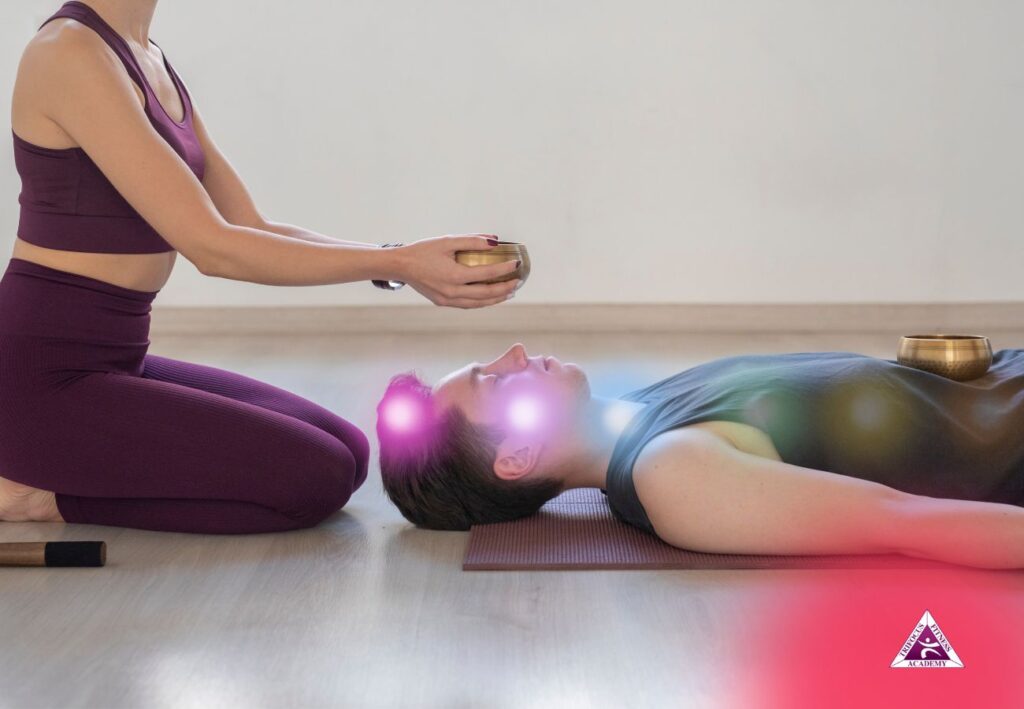
Yoga is a centuries-old practice that works as a holistic approach to improve Physical health, Mental clarity, and Emotional balance. Although yoga is known for its flexibility and relaxation, it has significant impacts on the Neurological system as well. Over the past few decades, however, scientists have started investigating how it works and learning that yoga exercise is not just movement; it has the power to make your nervous system dramatically healthier.
Your body is controlled by the nervous system, which includes your brain and spinal cord, which is the central nervous system, as well as peripheral nerves. It coordinates functions from breathing and circulation to muscle movement and emotion. The result of our modern lifestyles keeps the nervous system in a perpetuated state of high tone, leading to anxiety, sleep deprivation and or chronic muscle tension.
Breath Control and the Parasympathetic Nervous System
Yoga has a strong focus on regulated breathing or pranayama, which is a compelling element. Rhythmic Joukahainen slows the heart rate, lowers blood pressure, and triggers even your parasympathetic nervous system, which further sends good vibrations to every cell in your body. The parasympathetic system kicks in and helps offset the stress-induced sympathetic system to restore body homeostasis.
Specific studies have found that deep slow breathing stimulates the Vagus Nerve, which is a significant component of the Parasympathetic Nervous System. It tells your brain, “Okay, we can chill now,” and turns off stress and turns on rest. Initially, Vagal Tone can improve with time, and the regular practice of a yoga exercise that includes focus on the breath will undoubtedly help to dampen your stress response over time.
It also helps bring down cortisol levels (the stress hormone) with specific breathing techniques like alternate nasal breathing and diaphragmatic breathing. They also assist in coordinating breath with the heartbeat, known as Respiratory Sinus Arrhythmia, which is associated with improved cardiovascular and autonomic Neurological system functioning.
Another advantage is emotion regulation. Through yoga, the more aware and mindful a person becomes of their breath work during practice, the more likely they are to pause before responding negatively to stressors, increasing both self-control and emotional awareness. It also helps in situations where people are anxious or under pressure, avoiding a default switch to the adrenalised fight-or-flight state.
How Yoga Movement Patterns Support Nerve Function
Breathing is a way to open your Neurological system, while physical imitation in yoga Exercise has side effects on the Neurological system. Dinuk added that loosening the muscles while contracting them helps to stimulate your nerve pathways, which keeps your brain and body talking to one another during moments of stress. This is important as it is necessary for keeping your body movements in check, ensuring coordination, and keeping your entire nervous system healthy.
Some of the ways yoga exercise helps nerve function: improved proprioception, how well you perceive your body in space; It does so by having the practitioner hold poses and move between poses, which means that your brain is constantly processing information on what muscles are being used, where our joints are in space, information from balance receptors etc. Better proprioception = fewer falls + increased coordination and a better ageing process
Yoga also promotes blood flow, delivering oxygen and nutrients to nerve cells efficiently. Forward bends and gentle twists lend blood to the spinal cord and brain, conducting electrical impulses that cleanse neural pathways by stimulating circulation and regrowth. People who suffer from nerve compression, such as sciatica, could greatly benefit from gentle stretches to alleviate pressure and increase flexibility.
In the process, it trains your body to move with control and precision — and not only does this help prevent injuries, but it also benefits other exercises. Yoga increases flexibility and the range of motion in your joints to reduce nerve strain from improper posture or repetitive movement.
The more one practices, the better they become, and this is backed up by research showing that consistent practice has been proven to even lead to neuroplasticity, the ability of the brain to adapt and rewire itself, creating new neural connections! This shows that yoga exercise is not just a way of maintaining our nerves as they were, but also allows them to evolve into something healthier and more resilient.
Yoga’s Role in Brain Plasticity and Cognitive Function
It is something worth studying because it has the potential to increase brain plasticity or neuroplasticity, a key area of yoga research. It is the brain’s way of reorganising itself, forming new neural pathways as needed, that allows us to learn, make memories, and recover from injury.
Yoga exercise adopts physical movement with breath control and mindfulness; therefore, it presents the brain with novel stimulation. Wang notes that studies with brain imaging also suggest yogis may have more grey matter in regions involved in attention, memory, and emotional regulation. This increases the efficiency of information processing and behavioural control, which could influence neural substrates underlying multiple dimensions of health and wellbeing.
The mindful aspects of yoga, like paying attention to your breath or how your body feels, can boost activity in the prefrontal cortex, the part of the brain that underlies decision-making, problem-solving, and self-control. This is great not only for improved cognitive functions but also helps to control emotional responses to stress.
One other important conclusion: yoga brings about anti-inflammatory effects in the Neurological system. People with certain inflammatory conditions, like chronic inflammation, may have issues where brain functions are concerned and/or be more predisposed towards having neurological disorders. In addition to lowering stress hormones, yoga promotes relaxation and reduces inflammatory markers, both of which are likely to contribute in the long run towards optimal brain function.
There are also data showing that yoga helps to regulate neurotransmitter levels such as serotonin and gamma-aminobutyric acid (GABA), which are associated with mood, anxiety and stress. This suggests that yoga could help one boost both psychological and mental health, in addition to sustaining excellent brain function.
Long-Term Nervous System Benefits of Yoga Practice
The immediate benefits of competitive training, relaxation, and stress relief from the backbends are excellent effects. Still, the power of yoga for improving your Neurological system and more widely your quality of life is invaluable. In due course, regular practice of yoga balances the autonomic nervous system, which is an even and effective working of its two branches, the Sympathetic and Parasympathetic.
Increased resilience to stress. With the increased vagal tone and healthier Neurological system, those who practice yoga are also faster to rebound after stressful situations. This could help reduce the likelihood of stress-induced diseases like hypertension, anxiety syndromes and cardiovascular disease.
Yoga supports you in the ageing of the Neurological system. Through a sequence of physical postures paired with mental concentration, the system keeps motor skills, balance and cognitive function alive well after they might have otherwise started to fade. This is critical for preventing cognitive and coordination decline with age within the nervous system.
It also promotes better sleep quality, a significant advantage. Yoga, with its calming effect on the nervous system, causes healthier and better restful sleep, which is necessary for neural repair as well as overall brain health. Sleep also helps the body balance its mood and increases short-term memory, cognitive abilities, and concentration.
Yoga cultivates a more intimate understanding between the mind and body, enabling practitioners to better feel into their bodies and respond accordingly. Increased self-awareness helps in preventing injuries as it assists in making healthier lifestyle decisions and supports general well-being. The continued yoga exercise itself physically forms a more capable, harmonised, improved neurological system; an asset one can carry through life with general benefits beyond the confines of the mat.
Conclusion
The science underpinning yoga and its effect on the Neurological system illustrates that yoga is not merely a physical exercise; it is much more than this. How Yoga for Brain Regrowth Practically Works. Yoga is a partial exercise process. Having built prayer of mind, strenuous movements and concentration levels in all three previous tasks of mindfulness, prayer, breathing, the method in which we mean Mindfulness movement to reform balance will temporarily synchronise connections weakened by ageing.
Breath control techniques switch on the parasympathetic nervous system and reduce stress levels, bringing peace. They stimulate the nerve pathways, improve proprioception and enhance the circulation of body fluids to neural tissues. Because yoga melds movement and mindfulness, it is thought to aid in rewiring the brain for increased learning, memory, and emotional regulation. All these effects, over time, build a Neurological system that can handle the challenges in life.
Contact Trifocus Fitness Academy
Explore the rewarding path of becoming a certified Yoga instructor. Unleash your potential and inspire others on your journey with Trifocus Fitness Academy’s comprehensive Yoga program.

Frequently Asked Questions
Yoga on the Neurological system in that it activates the parasympathetic branch, encouraging relaxation and rebuilding. By controlling your breath, moving with mindfulness, and meditating, yoga decreases your stress hormones, triggers the vagus nerve, and balances the autonomic nervous system. This, among thousands of other processes in the body, gradually improves your ability to withstand stress. All of this helps one to keep emotions in check, focus better and stay fit, which makes yoga one of the most effective mind-body exercises.
Yes, yoga exercise is good for stress. Deep breathing, meditation and gentle movement all lower cortisol and calm the mind. Yoga activates an aspect of the Neurological system that promotes rest, aiding in deflating the fight-or-flight regulators. Over time, practising lowers the stress response that goes along with an active addiction and increases chemical levels in the brain responsible for helping you feel dispassionate. It is, most importantly, an excellent way to help manage stress in the moment and as a life practice to keep your nervous system healthy from day to day.
Yoga boosts brain function by increasing neuroplasticity, which is the ability of the brain to create new neural pathways. Mindfulness activities, such as brief periods of exercise and meditation, boost concentration and memory and make it easier to keep your eyes on the prize when making tough calls. Research suggests that consistent yoga exercise may increase the grey matter in brain areas responsible for attention and emotional regulation.
In some Neurological system disorders, yoga exercise might aid; however, adjustments may be needed. Doing gentle, movement-based and relaxation exercises through practices such as yoga is shown to decrease symptoms and increase quality of life. But individuals with neurological disorders like MS, Parkinson’s Disease or neuropathy should check in first with their healthcare provider. Yoga, when guided correctly, can be practised safely alongside medical care and can build both physical and mental strength to avoid any harm to the body.
Through breath control, or pranayama in yoga exercise, the Vagus nerve is stimulated, which in turn helps to activate your parasympathetic nervous system. These calming effects are associated with a slower heart rate, reduced blood pressure, and decreased production of stress hormones. Practice deep breathing, such as alternate nostril breathing and diaphragmatic breathing, which helps to calm you down, and then control your emotions.
Some of the benefits of yoga exercise on the nervous system are reducing your vulnerability to stress, sleeping better & having higher cognitive or brain function; a general reduction in inflammation. Repetition causes the autonomic nervous system to equilibrate, making it easier for practitioners to switch from an energised state to a relaxed one. And it maintains motor coordination and mental acuity as we age. With hours, yoga helps people connect their mind and body even more deeply so they can respond to whatever comes at them with peace, centring and confidence.