
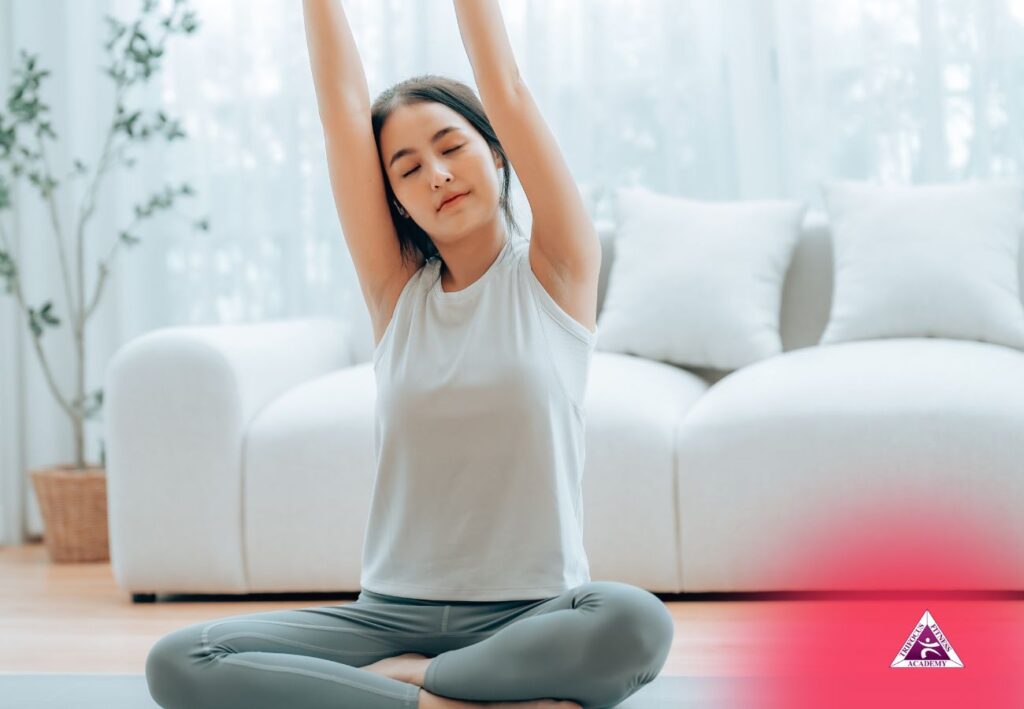
Creativity and critical thinking are essential in today’s fast-paced world. “Whether you’re an artist, entrepreneur or professional in any other field, the power to think outside of the box and come up with new ideas is incredibly valuable,” Rusu says. However, stress, fatigue, and overthinking often disrupt the creative flow. That’s where yoga systems come in. There are numerous physical benefits to practising yoga poses regularly. Still, perhaps some of the most overlooked advantages are those of calming and stress relief, as well as their effects on creativity.
Yoga practices like this promote mindfulness and awareness, which can help relax the brain and facilitate the formation of new connections. Yoga exercises combine movement, breathwork, and meditation to support creative thinking and inventive problem-solving. They eliminate distraction, aid in focus and help forge the connection between mind and body, providing a space for clarity from which inspiration emerges.
Yoga is not just a mental technique; it involves the entire being. And when the body is in balance, and the mind is at peace, creativity comes naturally. From energising poses that awaken mental energy to meditative ones that foster contemplation, yoga rewrites the way we face challenges.
Clearing Mental Clutter with Yoga Exercises
The biggest challenge to creativity is mental debris. Stress, overthinking, and constant distractions are what prevent the brain from forming new connections. Yoga Exercises can help silence this chatter and open the mental real estate required for creative thinking and problem-solving.
Mindfulness Yoga promotes the practice of mindfulness, which involves paying attention to each moment with a non-judgmental awareness. With mindful movement, people are taught to release running thoughts and tune into the breath and what they feel in their body. Child’s pose, forward folds, and gentle twists are among the poses that soothe the nervous system, lowering stress hormones such as cortisol. With less stress, the mind can think about things more openly and creatively.
Yoga also improves concentration. Balancing postures like Tree Pose or Eagle Pose require a high level of concentration and train the mind to be present in the moment. This concentration also applies to work and creative tasks, keeping people from getting distracted and allowing them to focus more intently on problem-solving.
A routine of performing Music Exercises contributes to mental clarity. Flow sequences, such as sun salutations, synchronise breath with movement, inducing a meditative mindset that washes away stress. This is a state that’s very conducive to new ideas to emerge.
When practised consistently, yoga serves as a reset button for the mind. Every session declutters the mind and creates a sense of calm, thus allowing inspiration to flourish. Rather than being drained from stress and indecision, students leave Yoga Exercises refreshed and poised to face problems in a creative, straightforward way.
The Role of Breath and Meditation in Creativity
Breathwork and meditation are fundamental to yoga, and each has an integral place in creativity and problem-solving. Used in conjunction with Yoga Exercises, they complement each other and form an excellent balance for soothing the mind and fostering creativity.
Breath is tied to the nervous system. Stress often induces shallow, hurried breathing that can restrict oxygen delivery to the brain. This numbs the mind, preventing creative thinking. However, deep, regulated breathing leads to increased oxygenation and a balanced nervous system, allowing you to remain calm yet alert to address whatever comes your way. Pranayama, such as alternate nostril breathing (Nadi Shodhana), works wonders in bringing balance between the two hemispheres of the brain and improving the creative right & logical left sides.
Meditation deepens this process. The body has been prepared for stillness through yoga asana, a series of exercises designed to promote relaxation and calmness. Meditation creates space inside for insights to appear as you quiet the mind. Visualisation exercises may also be combined with this, such as picturing a creative outcome or mentally running through potential solutions.
Research demonstrates that routine meditation improves divergent thinking, the ability to generate multiple solutions to a problem. Such is the foundation of being creative in terms of work, creation and life itself.
Through using their breath, meditation, and Yoga Exercises, people learn to move from a reactive way of thinking, which is now like broken lines, towards a more peaceful place where there are solid lines. This change opens the door to problem-solving insights and creative ideas in a steadier stream.
Yoga Exercises That Stimulate Creativity
Specific yoga postures are particularly effective in enhancing creativity and facilitating brainstorming. These Yoga Asanas stimulate the flow of energy, improve blood flow to the brain, and increase mental clarity.
Inversions (Downward Dog, Shoulder Stand, Headstand): These poses promote blood flow to the brain and stimulate mental function, allowing us to experience new perspectives. They serve to make people “change how they view things.”
Twists: (Seated spinal twist, Revolved Triangle). Twisting poses detoxify the system and help you release physical tension, while metaphorically encouraging you to adopt a fresh perspective. They make room for creative alternatives.
Backbends (Camel Pose, Bridge, Cobra) Backbends bridge the gap back, most notably within the chest and heart region, increasing lung capacity and stimulating us with energy. They are activating postures that displace fatigue and promulgate inspiration.
Balancing Poses (Tree Pose, Warrior III). These yoga poses focus attention and promote concentration while opening the body to accept new solutions for problems.
Seated Forward Folds and Hip Openers (Butterfly Pose, Eka Pada Raja Kapotasana): These promote reflection and ease emotional stress. One way to access creativity is by releasing blockage.
When practised with intention, these poses enhance both mental and physical flow. Combining them with conscious breathing amplifies their impact, resulting in both energy and calmness, the perfect condition for creative thought.
Unlike high-intensity workout plans, yoga is a flexible practice. Creativity-based people are welcome to create Yoga Exercises, and if they prefer, instead of traditional Hatha or energy flow, in order not to stimulate creativity, they need completion 🙂 Then they can transfer a list that they have created themselves. That versatility is what makes yoga a valuable tool to tap into our creativity on the go.
Integrating Yoga into Daily Routines for Inspiration
The magic of yoga lies in practice. Combining Yoga Exercises with daily routines encourages creativity and problem-solving on the spot, not only during minutes of practising, but all day long.
Morning classes are especially amazing. Energising, flowing practices combined with breathwork will create a bright, positive energy ready for the day ahead, the awakening of body and mind. It enables people to have a clear and motivated start in the morning, which helps creative work feel easy.
Short breaks in the day also have value. Even a five-minute stretch or mindful breathing session can reset the mind, alleviate tiredness and sharpen focus. For those sitting at offices and behind workspaces, chair yoga is one way to incorporate simple standing poses to maintain creative juices when schedules are flooded.
Afternoon yoga sessions are all about chilling. Mild Yoga workouts, restorative poses, and meditation help relieve the day’s pressure, leaving you with room for thought. It’s a cliché, but it is true; your best thoughts come when the mind feels relaxed. Night yoga can be perfect for inspiration.
After yoga and reflecting in their journals, problem-solving could also get a boost. Jotting down thoughts and ideas post-practice captures those reflections that arise in the serene thoughtfulness created by yoga.
By integrating yoga into day-to-day life, creativity becomes a natural extension. Yoga Exercises impress the possibility for inspiration instead of demanding it. This consistent practice develops the ground of balance, clarity and resilience to solve problems in all life situations.
Conclusion
A peaceful mind, engaged body, and sharp awareness inspire creativity and problem-solving. Yoga is the ideal setting for these characteristics to be developed. By combining Meditation and Pranayama with controlled movement, Yoga Poses help clear the mind, reduce stress, and open channels to new ideas and creative thinking.
Physiologically, yoga helps strengthen the body and improve blood flow, providing the brain with energy and focus. Mentally, it teaches focus and awareness by interrupting loops of distraction and overthinking. And emotionally, yoga fosters an equanimity and resilience that are crucial when confronting challenges with courage. Taken together, these advantages make Yoga Exercises much more than just physical exercises; they are valuable methods for unleashing creative capacity.
Contact Trifocus Fitness Academy
Explore the rewarding path of becoming a certified Yoga instructor. Unleash your potential and inspire others on your journey with Trifocus Fitness Academy’s comprehensive Yoga program.

Frequently Asked Questions
Yoga exercises for creativity ease the mind, decrease stress and make room for new ideas! Through breathwork, meditation, and mindful movement, yoga enhances focus and clears the mental clutter that hinders inspiration. It improves blood circulation and energy flow, promoting clear thinking and mental clarity. Merging the best of both worlds, Yoga Exercises provide an ideal space for creative thinking, making them significant assets in generating new ideas or brainstorming solutions to problems for business professionals, students, and writers.
Some yoga poses are beneficial for enhancing creativity and mental clarity. Inversions, such as downward dog or headstand, can increase blood flow to our brains, helping to clear foggy-headedness. Twists, like the revolved triangle, open the mind to fresh ways of seeing things, and backbends, such as camel pose, invigorate the body and spirit. Balancing poses, such as the tree pose, help improve concentration, and hip openers release tension that may block inspiration (as in the pigeon pose). Engaging in them regularly can also release creativity as they combine physical sensations with mindfulness and focused attention.
Breathwork, which is commonly incorporated into Yoga Exercises, works to soothe the nervous system and balance brain frequencies. Practices, such as alternate nostril breathing, increase oxygenation levels of the body, balancing the activity of both hemispheres of the brain and boost both creative and analytical thinking. Taking deep breaths lowers your stress hormones, which can block inspiration.
Yes. Even beginners can benefit from yoga exercises that promote creativity. Easy poses, such as child’s pose, seated twists, and gentle forward folds, soothe the mind and relieve stress. These are also great idea sparklers for when you have no time to meditate. Yoga is versatile, so even a few minutes of conscious movement can help with creativity. As they become comfortable with the rhythms, beginners can add a more energising flow or balancing pose to reinforce the connectivity of problem-solving and creativity.
Yoga Exercises for increasing creativity. These are the simple practices that can be followed every day. Morning flows encourage the mind to create new thoughts, and brief lunch-hour breaks with easy stretches and stillness help to refocus. Restorative yoga and meditation before bed offer an opportunity for reflection, which can lead to new insights and perspectives. Practice yoga and then journal immediately after to maintain the inspiration from a quiet mind.
Yes, there is evidence that Yoga Exercises are related to creativity. Research has found that yoga lowers stress, improves focus, and enhances divergent thinking—the cognitive ability to generate multiple solutions to a problem. Breathwork stabilises brain function, and meditation creates mental clarity, leading to insight. Physical poses aid blood flow and help deliver more oxygen to the brain, resulting in crisper performance.