
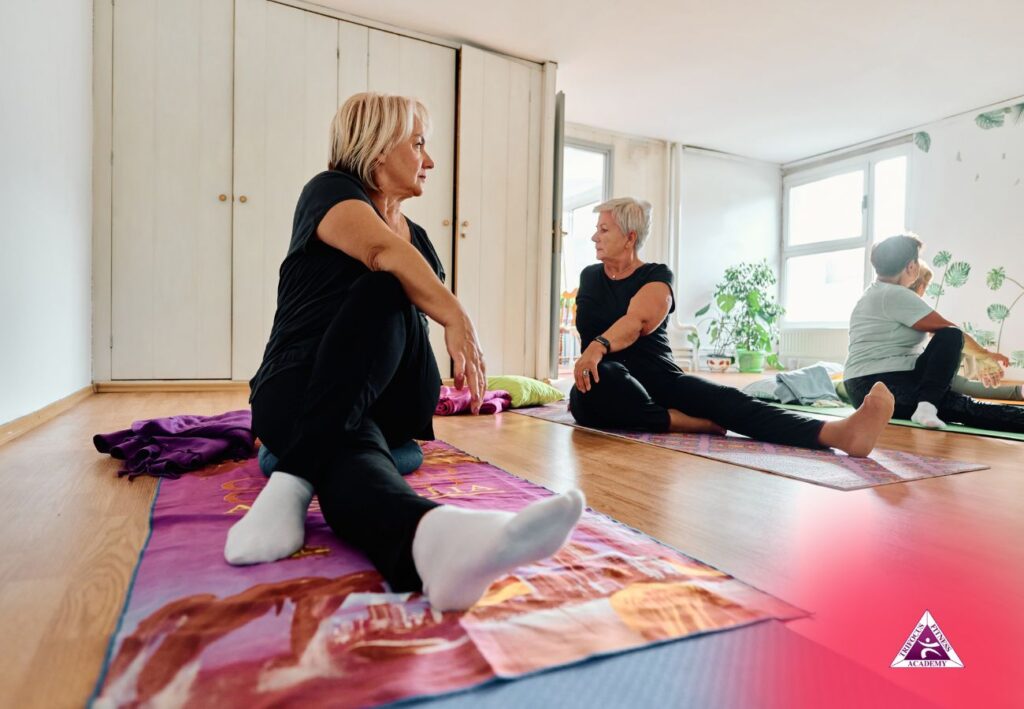
Arthritis could make even simple movement feel difficult. It can have a significant impact on physical comfort and discomfort, as well as self-esteem and even happiness. People with arthritis may fear that exercise will aggravate their pain, leading them to avoid movement and causing their muscles and joints to become increasingly stiff. Gentle, mindful yoga provides a complementary way to get the body moving and heart rate up without stressing the joints.
Yoga exercises for arthritis involve slow, gentle movements, breath and body awareness, relaxation techniques, and a focus on freedom from competition. Instead of urging the body into extreme ranges, yoga emphasises movement within comfortable ranges. This way contributes to the preservation of joint range of motion, tone of the supporting muscles, and blood circulation, which is critical for managing arthritis symptoms.
Arthritis affects people differently. Flare-ups are common for some; chronic low-level discomfort is the lot of others. Yoga exercises can be modified to meet the needs of different types of arthritis (OA and inflammatory) by adjusting pace, intensity, and posture. Listening to the body and respecting its boundaries is always key.
How Yoga Supports Joint Health and Mobility
Yoga helps keep joints moving. Yoga exercises help maintain a proper range of motion and prevent degeneration of synovial fluid by lengthening your muscles and tendons. When you don’t use your joints, they become stiff, and the muscles around them weaken, which puts greater stress on them. And yoga trains for this by encouraging gradual, purposeful movement that supports joint health rather than loading it down.
Increased circulation is one of the most important effects of yoga on individuals with arthritis. And gentle stretching and movement can help bring blood flow to joints and the tissues around them. This helps deliver nutrients and also minimises stiffness and immobility after long periods of rest. For many people with arthritis, morning stiffness can be relieved with gentle yoga poses.
Salzberg said that yoga also builds the muscles that support joints. Strong muscles can help keep joints aligned and take pressure off affected sites. While high-impact workouts like running can be fine if you know what you’re doing, yoga exercises build strength gradually and evenly, which is key for protecting sensitive knee caps.
Awareness of the breath is also important. Gentle, mindful breathing helps soothe the nervous system and decrease muscle tension. Yoga exercises are beneficial for arthritis because stress exacerbates pain perception, and yoga is known to promote relaxation.
An additional advantage is better posture and body alignment. Bad posture stresses the joints more, particularly in the back, around the hips and knees. Yoga exercises develop a consciousness of alignment to alleviate undue stress from your everyday movements. The cumulative effects of these properties help increase mobility, comfort, and confidence in motion.
Yoga Styles and Practices Suited for Arthritis
Not all types of yoga are appropriate for people with arthritis. Softer and more supportive- tend to be best for most people. These methods focus more on comfort, stability, and mindful movement than intensity or speed. Restorative yoga exercises are invaluable. It incorporates various props that reduce the rigours of gravity on the body in configurations that are natural to us. Postures are held for more extended periods with no effort, allowing the joints to soften and the nervous system to cool down. This design is great for flare-ups or when joints ache.
Chair yoga exercises are another great choice. Since it can be performed while sitting or with the support of a chair, people with limited mobility can safely enjoy the benefits of yoga. It takes the load off weight-bearing joints, making poses more accessible. Gentle or slow-flow yoga classes can also be good, as long as the instructors know what they are doing. These classes focus on transitions and graceful movements. Poses can be adapted so you will not put unnecessary pressure on your joints.
Some people with arthritis, especially those more affected by stiffness than inflammation, may find yin yoga beneficial. It focuses on connective tissue during passive stretches, though it should be used with caution and modified as needed. The key is finding a practice that feels supportive. Instructors who understand arthritis and offer modifications can facilitate a positive, welcoming experience. The right style of yoga exercises can make you feel safe and empowered rather than scared.
Practising Yoga Safely with Arthritis
Safety is the key to practising yoga with arthritis. Yoga exercises can alleviate pain and stiffness, but overdoing it or pushing past your comfort level may make matters worse. The key is to move slowly while avoiding pain. Listening to the body is key. A mild stretching sensation is ok, but sharp or constant pain means you should come out of the pose or modify it to avoid injury. Arthritis can be an unpredictable condition, and symptoms may differ from day to day, so what feels comfortable one day might need adjusting the next.
Using props is strongly encouraged. Blocks, straps, blankets, and chairs provide joint support and reduce strain. Props enable the body to feel steady and comfortable in adjusted poses. There is no point in attempting to strike a pose with no backing.
Warm-up movements are fundamental. Soft joint rotation and gentle stretching will warm the body and loosen that stiff feeling. Cold joints are more susceptible, so a gradual warm-up is crucial. One must also remember not to hold one’s breath. Deep, regular breathing helps reduce anxiety and induce relaxation. If you are feeling short of breath, that is an indication that the pose might be too much for your level.
People who are considering starting yoga exercises as part of their treatment plan should talk to their doctor, especially if they have severe arthritis or have had a recent joint replacement. A certified yoga instructor with experience in arthritis-friendly routines can offer direction and confidence. Doing yoga may be helpful and can help support arthritis management.
Building a Sustainable Yoga Routine for Arthritis
More than intensity, yoga for arthritis should be consistent. Fewer, but shorter and more regular, sessions can be more effective than rarer, longer touches. Even just 10 to 20 minutes of gentle movement can help keep the joints lubricated and stave off stiffness.
The more manageable the routine, the better your chances of sticking with it. Doing it at the same time each day can make yoga exercises a habit. Some people do find that gentle yoga exercises in the morning can reduce stiffness, while getting on your mat in the evening supports relaxation and sleep.
It is important to modify the exercise as symptoms evolve. You might favour restorative poses or breath-oriented practices when flare-ups are active. On better days, a few easy strength and mobility exercises can be added. Stay playful and loose with your approach to avoid frustration and injury.
It also supports continuity by keeping a cosy practice space. A still place, open props, and comfortable clothes help at the beginning. Removing barriers to practice promotes frequent movement. These small steps can also be rewarding for tracking progress. And they may come as less stiffness, better sleep, or more ease as you move through your day, rather than dramatic changes in flexibility. Recognising these early successes encourages long-term commitment.
With regular practice, yoga exercises for acid reflux can bring not only physical relief but also emotional relief to heartburn sufferers. Confidence and resilience are built when people feel more in control of their movement and pain. Yoga transforms into the best friend it really is, rather than another chore to be struggled through.
Conclusion
Yoga for the arthritis community offers an accessible, adaptable way to help maintain healthy joints, mobility, and overall well-being. Yoga both relieves the physical discomfort of arthritis and its mental and emotional stress through mindful movement, breathwork, and relaxation. Don’t forget, the quality of your chosen techniques is essential to your success, as is practising techniques safely and consistently.
Yoga is not a cure for arthritis, but it can help alleviate symptoms and increase flexibility. Little, regular movements count over time. Practised with patience and self-love, yoga allows individuals living with arthritis to move more comfortably and confidently. It promotes a healthy mind-body relationship, even in the context of chronic disease. Yoga can be an invaluable part of a well-rounded plan to ensure long-term comfort and independence.
Contact Trifocus Fitness Academy
Explore the rewarding path of becoming a certified Yoga instructor. Unleash your potential and inspire others on your journey with Trifocus Fitness Academy’s comprehensive Yoga program.

Frequently Asked Questions
Yes, people with arthritis can practice yoga safely if they approach it with caution and are aware of its limitations. Yoga for arthritis includes slow, gentle movements to improve joint mobility without overexertion. Props and modifications can be key to safety. Listening to your body and modifying your practice based on how you feel each day is key.
Suppose you have arthritis; look for gentle yoga styles. Restorative, chair, and slow-flow yoga centre focused on comfort, stability, and movement with intention. These styles help reduce joint pressure and offer flexibility and strength. More rapid or physically challenging forms are generally less appropriate, particularly during flares. Selecting courses developed for joint health or taught by instructors who know how to modify classes for arthritis-friendly workouts can provide a safe and effective experience.
Those with arthritis, both men and women, generally find that a few times per week of yoga is helpful, even if it’s just for 15 minutes. Moderate exercise for 10-20 minutes of straight, even walking can decrease stiffness and improve mobility. Consistency matters more than intensity. Daily soft exercises might help, particularly in the morning or evening. When experiencing a flare-up, more restorative or breath-centric practices might be better suited.
Yoga may alleviate arthritis pain and stiffness by improving circulation, strengthening the muscles surrounding joints, and promoting relaxation. Light stretches prevent joints from freezing up, and focused breathing counteracts muscle tightness and stress-related aches. It can improve flexibility and range of motion over time, making everyday tasks a little easier.
Yoga props are handy for anyone dealing with arthritis. Blocks, straps, bolsters, blankets, and chairs help support the body with less strain on sensitive joints. Props adjust the poses so neither the body nor the mind needs to struggle, and no strain is placed on the body. They also promote alignment and discourage overstretching. Using aids is not a sign of weakness.
A person with arthritis should avoid yoga during severe flare-ups or with significant joint inflammation, unless appropriately modified. Stinging pain, swelling, or instability are signs to rest or opt for very gentle, soothing practices. Some sorts of poses that put too much pressure on the joints should be avoided. You should contact a healthcare professional if your symptoms become more severe.