
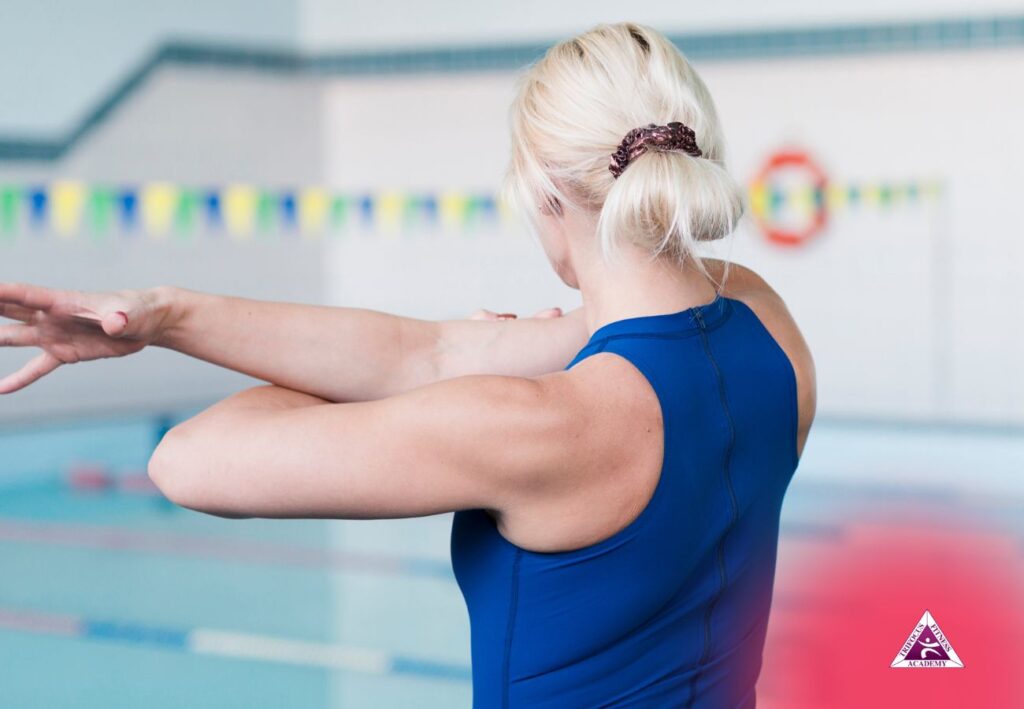
Pain in the joints is a common experience for many older adults, often resulting from arthritis, osteoporosis, and the natural wear and tear of ageing. Stiffness, swelling and pain can all serve as dampeners on movement and keep many of us from being more active. However, the problem can be exacerbated by inactivity, which erodes mobility and adds stiffness. This is why elderly exercise programs that focus on gentle, supportive movements are crucial for maintaining strength and independence. One of the best solutions is water exercise.
Elderly exercises, such as water aerobics, combine the natural benefits of buoyancy and resistance with a low-impact environment. Water buoyancy supports body weight while you exercise, with no pressure on your knees, back or hips. Meanwhile, the resistance of the water will tone muscles and enhance cardiovascular fitness. Older Adults with Joint Pain: Those who suffer from joint pain can benefit from using aquatic activities as a safe and comfortable means of staying active.
Swimming laps, walking in water or participating in group water aerobics are all excellent exercises for the elderly, making your pool the perfect workout hotspot for people of all fitness levels. They are also a fun and pleasant place to exercise, which can be intimidating.
Why Aquatic Exercises Are Ideal for Elderly Exercise Programs
For seniors, water exercises are efficient at addressing joint pain and provide a low-impact means of regular physical activity. The water buoyancy lessens body weight by 90% compared to land exercises, yet resistance is way higher in the water. This buoyant support enables seniors to walk freely and unencumbered in the water, making water workouts an excellent elderly exercise for those who have arthritis, osteoporosis or balance issues.
A considerable benefit of underwater training is pain relief. The heat of the water in your pool will help relieve stiff muscles, decrease inflammation, and promote better circulation. The pressurised space allows older adults to perform movements that may be painful on land. For instance, a senior with knee arthritis may have difficulty walking long distances, but in the pool water, the strain is alleviated, allowing for smoother motion that causes less pain.
Maintain toned muscles without the need for heavy weights and costly gym memberships. Enhance flexibility, tone lean muscles, lose weight, and increase circulation with the gentlest exercise on your body! More robust muscles around the joints also help stabilise things and take pressure off while making joint movements easier. This leaves everyday activities like standing, bending or walking up stairs more manageable and less painful.
Balance and coordination are also improved in the water. Accidents are unlikely to occur because the space is designed to be safe for elderly adults, which is a primary concern. Most senior exercise programs have water exercises that focus on balance within a secure environment.
Practical Aquatic Exercises for Joint Pain Relief
When formulating an elderly water exercise routine, several activities are ideal because they help reduce joint pain and stiffness while increasing strength and flexibility. These moves are gentle on the joints and can be modified for all fitness levels.
Water Walking: Waist- or chest-deep walking that offers minimal resistance whilst decreasing stress on joints. It is a great workout that will strengthen the legs and provide cardiovascular health.
Leg Lifts: While standing next to the side of the pool, seniors can lift one leg out in front, to the back or out to the side. This one targets the hips, knees, and core muscle area to support joint function.
Arm Circles: Take arm circles, which move the arms through water in circles to strengthen shoulders and increase mobility without stressing them.
Flutter Kicks: Hold onto the edge of the pool and do some light kicking that involves the lower part of your body without putting undue stress on your joints.
Water Aerobics Classes: Many water aerobics sessions are led by classes involving a combination of exercises such as running in the same place, jumping jacks, and resistance exercises. The team dynamic also provides motivation and enjoyment.
Swimming: Classic strokes such as breaststroke or backstroke include movement of both your arms and legs, which makes it a great full-body workout that is gentle on the joints. It promotes endurance, flexibility, and strength. On the contrary, swimming promotes flexibility, and runners gain new strength in muscles that have been resting.
Not only do these exercises help relieve you of pain, but they also contribute to heart health, balance and increased energy. They can now be included in a senior’s exercise program, and they will be able to do safe, easy exercises that can help with mobility and the health of their limbs.
Creating a Safe and Sustainable Aquatic Routine
Although pool exercises are beneficial for older people, they must be performed correctly, safely, and regularly to achieve the best results. Older adults should ease into becoming fit, building up their workouts for longer times and with greater intensity as comfort and strength increase.
Seniors should consult with their health care provider before starting a new routine, especially if they have chronic conditions like arthritis, osteoporosis or heart issues. Medically cleared to ensure that aquatic activities are consistent with overall health objectives.
Here’s a sketch for what sort of thing I might do for my next session:
A warm-up: This could be walking gently through the water or stretching in shallow water to get your body ready. After a warm-up, seniors can progress to strength-building moves, like leg lifts, arm pushes and flutter kicks. And then there is aerobic exercise, such as water jogging or swimming laps, which benefits the heart. Cool down with some stretches to improve flexibility and avoid stiffness.
Consistency is key. Experts recommend a minimum of 150 minutes of moderate-intensity activity each week, which can be achieved through five, half-hour aquatic workouts per week. The density and viscosity of the water help us to achieve this without feeling pain or tiring.
Safety, it’s worth noting, is also a factor. Seniors should always swim in pools where a lifeguard or assistant instructor is present. “Staying hydrated is important, even in the water,” he said, adding that people should wear a pair of water shoes for proper traction. Concentrating on safety, variety, and a slow-to-steady progression, aquatic elderly exercise provides seniors with a viable means of maintaining joint health and independence into their golden years.
Long-Term Benefits of Aquatic Elderly Exercise
The well-documented long-term advantages of water-based workouts extend far beyond temporary pain relief. Seniors who engage in regular aquatic exercise enjoy better physical, mental and social benefits that lead to a more fulfilling life.
From a physical perspective, swimming and other pool exercises help to maintain mobility and independence. By building muscle strength, increasing balance and improving their heart health, older people are better able to fulfil their daily tasks. Minimising any pain in your joints also helps with the regular activity we need to maintain our health and overall lifespan for as long as possible.
Swimming or other aquatic exercises also help maintain strong bones, which can prevent fractures and complications from osteoporosis. Seniors can be more physically resilient if they protect their joints and bones.
‘Happiness’ is another significant advantage. Water exercise helps release endorphins, so we feel in a better mood and less anxious or depressed, which is often associated with chronic pain. Finally, water is inherently calming, which relaxes seniors and helps them manage stress more effectively.
The social component contributes too. Group water aerobics or swim classes enable seniors to socialise with their peers, which can lead to friendships and also decrease isolation. Social activity supports emotional and cognitive well-being in older adults.
Aquatic training over the long term creates confidence. When you see our seniors experiencing reduced pain and increased mobility, they become more enthusiastic about staying active in various areas of their lives, from hobbies to travel.
Conclusion
Older adults need not be held back by joint pain. Elderly exercise in water provides pain relief, as well as several comprehensive fitness solutions. Mixing buoyancy, resistance, and relaxation, water-based elderly exercise is a form of exercise that is unmatched; it minimises joint strain while building muscle quality and cardiovascular strength.
And, from straightforward water walking to special group aerobics classes in the pool, fluid workouts can be modified to meet all exercise levels. And not only do they relieve pain, but they also improve balance, reduce the risk of falling and increase independence. By designing sustainable activities that are fun and convenient, older adults can gain confidence and sustain their activity level.
Contact the Trifocus Fitness Academy
The Trifocus Fitness Academy offers a specialised online and internationally accredited Exercise and Special Populations Course designed to equip professionals with all the skills and knowledge needed to succeed as a professional Personal Trainer.

Frequently Asked Questions
Water exercise is a general, gentle exercise for older adults with joint pain, as it supports your body weight and alleviates pressure on the knees, hips, and back. Their buoyancy makes them easy for seniors to move around in without physical strain and provides natural resistance that builds up weakened muscles. The warmth of the hot water also takes away the stiffness and inflammation, allowing movements to be freer and more comfortable.
Safe exercises for older adults in water are walking, leg raises, flutter kicks and arm circles. Swimming and group water aerobics classes are also great exercises for older adults, which provide cardio while incorporating resistance training. These exercises help build muscle, increase flexibility and inhibit stiffness while minimising the potential impact on joints. The routines are adaptable to a range of movements, so seniors can choose which portions they’re comfortable with.
Senior citizens should do elderly water exercises two to five times a week, based on their comfort and ability. 30-minute sessions help with cardiovascular health, joint mobility, and muscle retention without exertion. Consistency is more important than intensity, so seniors should begin with shorter workouts and build from there. Since aqua exercises are water-based, they can be safely performed regularly and are an excellent exercise program for older adults experiencing arthritis, osteoporosis, or ongoing joint pain.
Yes, aquatic senior exercise is good for improving balance and fall prevention. Water is a safe environment for movement that challenges balance without the fear of falling. Exercises such as side steps, water jogging and leg lifts build core and leg muscles that are crucial to balance on land. By performing these exercises, everyone (especially older adults) improves their coordination and decreases the risk of falling.
Water-based activities are ideal for older adults with arthritis. The water supports take weight off swollen, inflamed joints, and the warmth of the water reduces stiffness and pain. The water’s gentle resistance builds supporting muscles, which can lead to improved strength and mobility without exacerbating symptoms. Moderate water elderly exercises for the elderly aid in the management of arthritis, as they build flexibility as well as circulation.
Aquatic elderly exercise will offer benefits in the long run, such as relief from joint pain, improved flexibility, stronger muscle power and overall body health and wellness. Senior individuals also gain an improved balance, which helps reduce the chances of falling and achieve a level of independence. Mentally, it appears that aquatic exercises elevate mood, decrease stress and alleviate depression by affecting endorphins.