
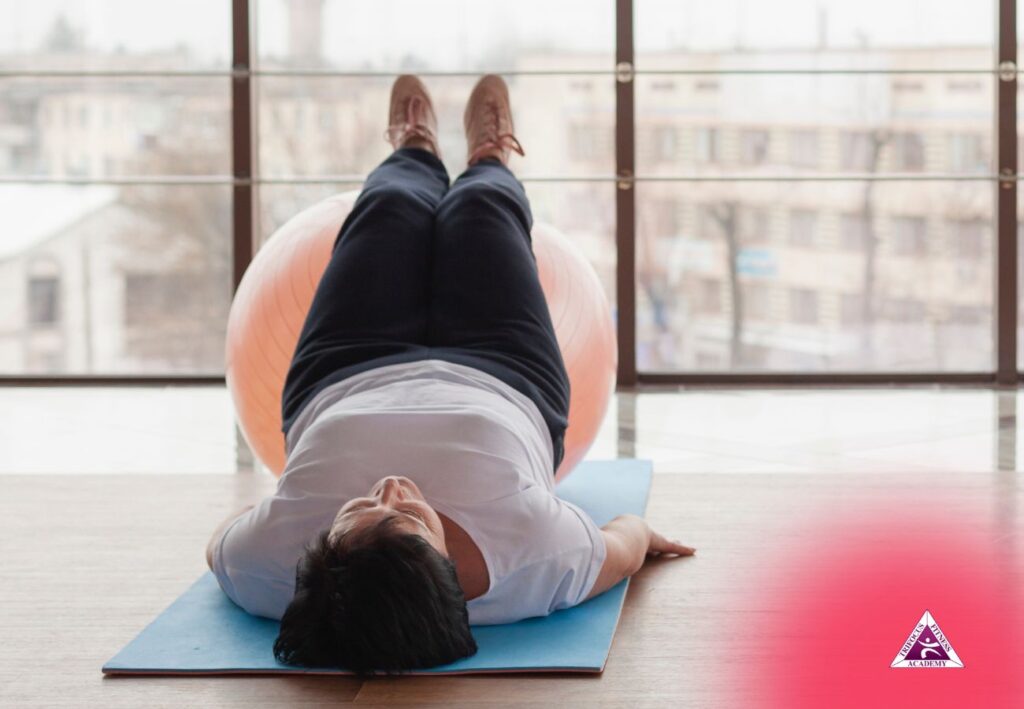
A good night’s sleep is a key factor in maintaining health, but millions of people struggle to get quality rest. Insufficient sleep can result in poor physical performance, lack of mental clarity and mood swings over the short term and cause long-term health problems. And though some lifestyle modifications (limiting caffeine, establishing a bedtime routine) can help, one of the most effective and natural ways to enhance sleep is regular physical activity. Group exercise has specifically been shown to have a positive impact on both the quality of your sleep and how rested one feels.
In contrast to solo exercise, group workout introduces physical activity within a social forum of motivation and structured routine. “If it’s yoga, indoor cycling or dance aerobics or some bootcamp workout, doing fitness with groups is great for building more and more attention as well as relaxation skills,” says Bridgett Kieser of The Adventure Therapy Project. These benefits also carry over into sleep — you’ll fall asleep more quickly, stay asleep for longer and wake up feeling more refreshed.
The Physiological Benefits of Group Exercise on Sleep
At the most fundamental level, exercise has a significant impact on sleep. Working out uses energy, which has a positive effect on the body’s natural circadian rhythm, including sleep and wake cycles. In group exercise, this is even more pronounced because of the structured movements and intensities available in classes.
One of the most significant physiological effects of physical activity may be on our circadian rhythm, in other words, our internal body clock, which dictates when we feel alert and when we fall asleep. Group exercise, especially if it’s at the same time, adds rhythm to this. “In 2020, I will be more committed to exercise.” Committing to a type of yoga in the evening after work or a spinning class in the morning trains your body/mind connection, allowing for better synchronisation with activities and rest.
Exercise also triggers the production of adenosine, a natural compound in the brain that acts like a “sleep pressure” regulator, allowing sleep to come more easily at bedtime. Do group classes that involve moderate to vigorous physical activity, for example, HIIT or cycling– increase levels of adenosine and facilitate deeper sleep cycles?
Additionally, group exercise helps regulate hormonal output. It decreases cortisol (the stress hormone) and releases serotonin and endorphins, which make you feel good and relaxed. It is this hormonal balance that enables restful sleep and a peaceful night.
Attending a group workout session regularly will help decrease symptoms of insomnia. Numerous studies have demonstrated that regular exercise helps people fall asleep faster and reduces the number of nighttime awakenings. With the support of group settings, members will likely stay committed to regular activity, resulting in long-lasting improvements in sleep.
Stress Reduction and Relaxation Through Group Exercise
Among the top culprits when it comes to sleeping poorly are stress and anxiety. When thoughts are racing, a cycle of tension ensues, putting us in an elevated stress response for most of the day and night and reducing stress and promoting relaxation. Not to mention, it is one of the most effective ways group workouts can enhance your quality of sleep.
Group exercise boosts your mood. The body releases endorphins during group activities like these, which serve as natural stress and pain relievers. There is also a mental chemistry at work here, in that exercising with others lessens the feelings of isolation and worry. The camaraderie and sociability of group workouts foster a sense of community that helps reduce anxiety levels.
Some types of group exercise, including yoga, Pilates and tai chi, also have a calming effect. It’s a combination of physical movement, breathing techniques, and mindfulness practices that can help regulate the nervous system. By loosening muscular tension and clearing the mind, these workouts ready the body for sleep and support more profound, more restorative slumber.
Even high-intensity workouts in a group can be stress-relieving, since they offer a constructive way to dissipate frustration or pent-up energy. Sitting alongside classmates while struggling through a class gives a person a sense of accomplishment and replaces stress with pride.
The habit-forming nature of group workouts also contributes to this benefit. Having a class on your calendar provides more structure, which means fewer mental gymnastics needed to map out workouts. This ease of expectation can reduce stress and lead to a more relaxing experience in the long run, ultimately resulting in improved sleep quality.
Motivation, Accountability, and Sleep Consistency
Sleep consistency is challenging. Due to irregular sleeping schedules, individuals may struggle to maintain consistency in their exercise and overall lifestyle. However, group exercise eliminates this factor, offering motivation and accountability to help individuals stay committed to their exercise routine. Number one is the group aspect – committing to attend makes me more likely to show up.
I feel accountable because I know the instructor and others count on me. The rhythm of regular activity aligns a person’s rhythm, making it easier to sleep and wake up at the same time every day. Number two is motivation. Working out by myself can be painful and tedious, yet doing so in a group’s company is fun. Moreover, my motivation is better, meaning I put more effort into it, which is also proven to be beneficial.
The instructor contributes; the person leads and structures the session. Consequently, it is much easier for me to follow the pattern. The final piece is achievement. I enjoy the sense of accomplishment that comes after a workout, which clears my mind and prepares me for a good night’s sleep.
Long-Term Sleep Health and the Benefits of Group Exercise
Although the short-term effects of group workouts on sleep are apparent, they pale in comparison to the long-term consequences. Exercise regularly with the group, and you’ll reap long-term benefits, including improved sleep quality and overall health.
Regular group exercise (in which a range of people get together to do the same activity) strengthens the cardiovascular system, enhances metabolism, and lessens chronic conditions like obesity, diabetes and heart disease that are known to contribute to poor sleep. Exercise improves sleep health through the pathway of better physical health.
Long-term involvement with a group gives protection from anxiety and depression, which are significant causes of insomnia. Group exercise, too, encourages resilience and self-efficacy, which empower people to better cope with the stressors that otherwise would prevent sleep.
And there’s another significant long-term benefit too: social connection. Alone is associated with worse quality sleep, but the community support found in group workouts combats isolation. These long-term social ties promote a sense of security and peace.
Team exercise can also contribute to healthy ageing. Older adults who participate in group workouts experience improved sleep quality, reduced symptoms of insomnia, and increased energy levels throughout the day. A class for seniors would do more than get them moving; it would also educate them about the social component of their emotional state and sleep health.
Even if group exercise has long-term effects on sleep beyond that night’s rest, it lays the groundwork for improved physical and mental health, a better mood, and emotional stability, ultimately leading to a higher quality of life in the years to come.
Conclusion
Good sleep and rest are essential to maintaining energy levels, productivity, and overall health, but many find it quite hard to obtain rejuvenating sleep. While lifestyle change and stress control are essential, group exercise stands as one of the most effective and all-encompassing solutions. When people participate in group workouts, they reap several benefits that can have a direct impact on their sleep. Physically, exercise has been shown to mould sleep-wake cycles and hormone production, in addition to aiding symptom relief for those with insomnia.
Social sweat sessions, whether in calming yoga or high-energy classes, help decompress tension and ready the body for slumber. There are also benefits to accountability and motivation when working out with a group. Participants are likely to adhere more closely to regular schedules, in line with those of healthy sleepers. With continued use, this regularity results in restful sleep and sustained energy.
Contact the Trifocus Fitness Academy
The Trifocus Fitness Academy offers specialised online and internationally accredited Group Exercise courses that have been designed to outfit professionals with all of the skills and knowledge needed to find success as a professional Group Exercise Specialist.

Frequently Asked Questions
Group workouts enhance the quality of sleep by regulating the body’s circadian rhythm, increasing adenosine production (a pro-sleep compound), and reducing the circulation of the stress hormone cortisol. The physical phenomenon and social aspect have the effect of making anyone drift off to sleep both faster and for longer periods. As the months pass, regular aerobic activity will enhance your ability to fall asleep and sleep deeply, promoting a longer, healthier life overall.
Yes. Participating in a group workout program can help alleviate some of the symptoms of insomnia by promoting relaxation, reducing anxiety and enhancing mood. Yoga, Pilates, or tai chi classes can help relax the nervous system and prepare the body for sleep. We also know that more vigorous group activities aid sleep by increasing energy expenditure. When you’re in a group setting, there is more motivation and accountability for showing up to practice, and as a result, people can sleep soundly.
One of the best predictors of good sleep is consistency. Group workouts hold you accountable and motivated, ensuring that you show up for class. This exercise not only strengthens the body but also sets its internal clock, so it is easier to fall asleep and wake up at regular times. In the long run, these consistent habits lead to better sleep that is more restful, and better waking hours that are also full of energy.
The best group workout activities for promoting sleep can vary depending on individual needs and preferences. Yoga, Pilates, and tai chi encourage relaxation, making them perfect for unwinding at night. High-intensity classes, such as cycling or HIIT, elevate adenosine and promote deep sleep, primarily when performed earlier in the day. Type is less critical than consistency; however, if you find another group activity that’s a bit of fun and you can stick with it, the exercise will help improve your sleep quality.
Group workout also has long-term benefits for sleep health, by decreasing risk factors associated with poor sleeping patterns, like anxiety and depression, as well as obesity and heart disease. The social bonds forged in group fitness classes also help combat loneliness, a significant contributor to sleep disturbances. For seniors, group exercise is particularly beneficial in enhancing physical function and improving sleep quality. Group exercise promotes sustainable increases in restfulness and daily energy by promoting more consistent sleep.
Stress and anxiety are among the top causes of poor sleep. High levels of stress hormones, such as cortisol, can make it difficult to fall asleep or stay asleep. Exercising in a group allows people to relieve stress because it combines endorphins, social support, and healthy forms of escapism. Classes with an emphasis on mindfulness, breathing, and other techniques are the most effective for relaxation. Reducing stress levels, group fitness helps prepare the mind and body for a more restful night’s sleep.