
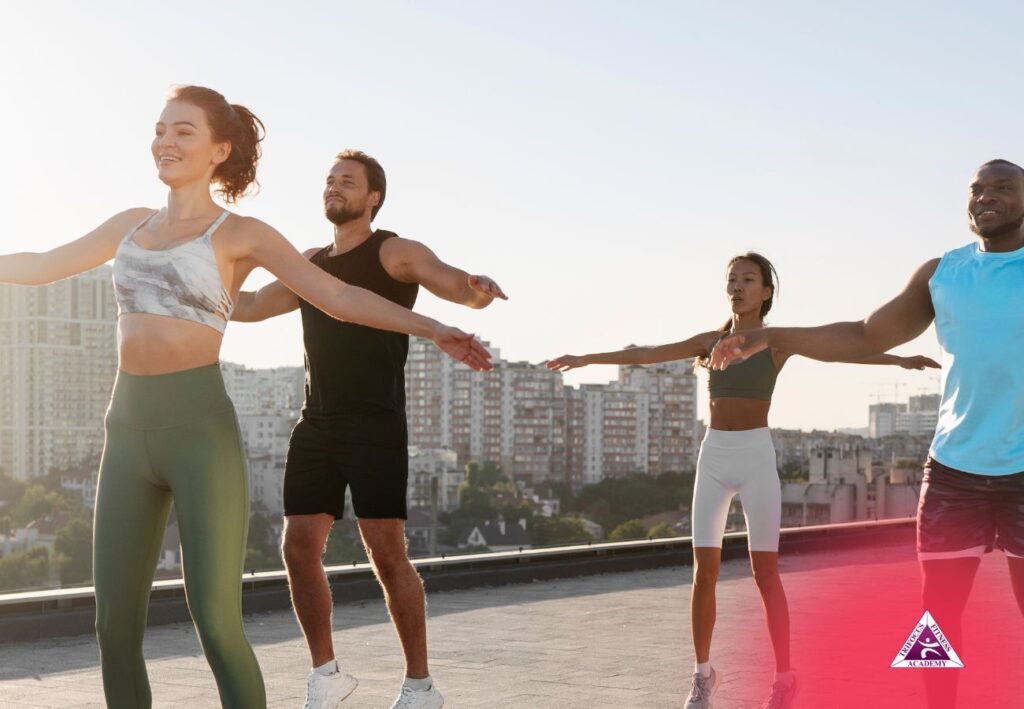
The gym and the group exercise class have long been staples of the fitness world. From the early days of aerobics classes in the 1980s to today’s high-energy HIIT circuits, yoga sessions and dance-inspired workouts, working out together has provided a sense of community, motivation and accountability. However, as technology advances and consumer tastes evolve, the future of group workouts in fitness is changing faster than ever.
The pandemic has accelerated and intensified changes in the way people use group fitness. Virtual classes, live-streamed sessions and hybrid memberships quickly became the new normal, reshaping what was once the industrial aesthetic of a traditional studio. Today, people are after an experience that is more than just working out; they want community, convenience, personalised fitness and wellness.
The fitness industry is rising to the challenge with some forward-thinking solutions, figuring out how to combine new technology with old formats of in-person group workouts, while also broadening our definition of what group workouts can look like. In the future, group fitness will also move beyond gym walls and into digital platforms. Wearable technology will become integrated with our workouts, we’ll embrace gamification, and perhaps adopt wellness-centric attitudes, so it’s not just the body that gets a workout.
The Rise of Hybrid and Virtual Fitness Classes
The most high-profile change in group exercise in fitness has been the emergence of hybrid and virtual options. And although in-person workouts are still sought after for the motivation and community they offer, a growing number of fitness enthusiasts want the option to log on whenever they please.
Hybrid fitness models let customers mix studio classes with digital offerings. For instance, one might work out to a spin class at the gym one day and participate in a live-streamed yoga class from home the next. This open format is initially designed to accommodate our busy lives, offering participants the flexibility to decide how they will participate in exercise.
Virtual offerings like Peloton, Les Mills+ and Apple Fitness+ have already established streaming fitness as more than a fad. These services offer live and on-demand classes in various formats, often featuring leaderboards, chat features, and interactive elements that replicate the social aspects of in-person group exercise.
Fitness studios are also getting with the times, taping their own sessions or providing apps for members to participate in classes from afar. This has helped democratise group workouts for a worldwide audience, crossing geographical boundaries and enabling everyone with an internet connection to access high-quality courses.
Hybrid and virtual classes will continue to gain traction, becoming a standard element of memberships rather than a bonus. For fitness professionals, this shift requires understanding what it takes to consistently create dynamic experiences, both in-person and remote, so that the concept of group workouts within fitness remains attainable and inspiring for everyone.
Technology and Personalisation in Group Fitness
Another directional force influencing the future of group exercise in fitness is the integration of advanced technology and personalisation. Attendees no longer want a “one-size-fits-all” experience; they desire workouts that cater to their specific goals, preferences, and fitness levels.
Enter wearable tech. It’s all about the gadgets. With a fitness tracker or smartwatch, people can now find out everything from their heart rate and calorie burn to their sleep quality and recovery. When used in group classes, these metrics can be used by instructors to adjust cadences or give live feedback. Envisioning a cycling class where the heart rates of those involved are displayed on a screen, motivating them to reach certain zones simultaneously.
Artificial intelligence and machine learning are also reshaping the industry. Advanced fitness platforms can analyse performance data to suggest tailor-made workouts, monitor progress, and update programs. In a group workout setting, this customisation boosts motivation so that class participants feel the workout is meeting their fitness levels and goals.
Gamification is another emerging trend. Workouts that require completing challenges and earning points, or competing on teams, make even the least enjoyable workouts engaging. Virtual reality (VR) and augmented reality (AR) are now enabling immersive group workout experiences. However, they are still being used among people exercising.
The future of group fitness will be a world where technology and personalisation come together seamlessly to offer experiences that are hyper-tailored yet social. Trainers who adopt these new tools will add value to their services, keeping their clients inspired and motivated.
The Growing Focus on Holistic Wellbeing
While physical fitness will still be a priority, the future of group exercise in fitness will focus more on our overall state of wellness. Consumers are waking up to the fact that health encompasses more than physical strength, including mental, emotional, and even social well-being.
Group fitness classes, such as HIIT and spinning, are becoming increasingly aware of the body-mind connection and are incorporating elements of mindfulness, stress reduction, and recovery into their routines. Yoga and Pilates are already engaged in a serious battle for mental clarity. HIIT or strength training classes could now culminate with some form of guided meditation, breathing exercises or gentle stretching choreographies specifically designed to soothe the nervous system.
Wellness-oriented classes are also capitalising on the trend. Foam rolling, mobility workshops and group cold plunge or sauna sessions are available in addition to traditional workouts. By focusing on recovery as part of the community experience, we promote the view that fitness is a blend of total activity and rest.
Group fitness is also beginning to include nutritional and lifestyle coaching. Others are expanding their offerings by adding sleep, stress reduction, or healthy eating workshops to what is already available, providing a comprehensive health package.
With mental health increasingly at the forefront of people’s minds around the world, group workouts offer a unique opportunity for individuals to come together and de-stress, adding joy to their lives. The community of belonging created in group settings is a remedy to feelings of loneliness and isolation, making classes less about fitness alone and more about community healing.
Community-Driven Experiences and the Social Power of Group Exercise
At its heart, the appeal of group exercise in fitness has always been about community. Working out with others creates accountability, motivation, and a sense of belonging that’s hard to replicate on your own. Even as technology and hybrid models transform the way classes are conducted, the need for human connection remains unchanged.
The next generation of group fitness will prioritise community and experiential activities. Studios and gyms are already creating spaces where relationships extend beyond the workout. Events, forums, and team challenges encourage interaction outside the classroom, further enhancing the sense of community.
Inclusivity is also a means to build community. Fitness services that make group fitness accessible to all, with training tailored for seniors, beginners, and people with disabilities. By fostering inclusive spaces and class lists, the industry is broadening its reach and influence.
The growth of micro-communities in fitness is also one. Instead of flocking to giant clubs, boutique studios, or specialised classes in a particular genre, such as indoor cycling, CrossFit, or dance, these options seem more appealing. It is these smaller communities that drive loyalty and make more authentic connections possible.
Ultimately, the future of group exercise will be based on community as a key factor in why people continue to come back. While apps and digital platforms can connect people around the world, the sense of belonging, sharing sweat, encouragement, and progress in person, will continue to be the most potent factor motivating fitness.
Conclusion
The group exercise for fitness is evolving due to technological advancements, shifting consumer demands, and a more holistic approach to health and wellness. Even if they vary in form from old light-up-the-dark aerobics studios, at heart, they’re about the same thing: getting people together to work towards common goals and build community, which in turn encourages people to support each other on their fitness journey.
Hybrid and virtual classes will further proliferate, providing attendees with more flexibility than ever. Through technology and personalisation, group workouts will become less like generic workouts and more about personalised experiences. At the same time, an increasing emphasis on overall health and well-being will expand the purpose of group workout programs to encompass not only physical fitness but also mental and emotional wellness.
Contact the Trifocus Fitness Academy
The Trifocus Fitness Academy offers specialised online and internationally accredited Group Exercise courses that have been designed to outfit professionals with all of the skills and knowledge needed to find success as a professional Group Exercise Specialist.

Frequently Asked Questions
The next generation of group workout in fitness will be a merger of the physical, virtual and hybrid. Personalisation will be enhanced by technologies such as wearables, live streaming, and gamification, which will take into account holistic wellness, encompassing physical, mental, and emotional health. Community-driven experiences will continue to be a focus, where attendees can feel connected and part of a larger collective. In the big picture, the future is flexible, inclusive, and tailored to meet the needs of modern fitness enthusiasts.
Technology has redefined group training in fitness by enabling workouts to be more widely available, personalised and engaging. Store-bought wearables track movements in real time, and AI and apps suggest customised classes. With virtual reality and gamification, group workouts come to life, featuring the added element of immersion that not only gets competitors going but also keeps them on track.
The sense of community is the backbone of any group fitness class, the source of motivation, accountability and belonging. Training with the company encourages accountability, prevents loneliness, and creates a conducive atmosphere for consistency. The future of group exercise in fitness means that studios and gyms will focus on strengthening community connections through social outings, being more inclusive, and offering niche communities to ensure members feel valued, engaged, and return time after time.
The future of group exercise in fitness is integrating more holistic well-being. And workouts are now stretching to incorporate components like mindfulness, stress management, recovery and even nutrition guidance. They’re also likely to end classes with meditation or breathing exercises and take such a holistic approach to wellness that studios have added workshops on sleep or healthy living. This move acknowledges that real fitness is more about what people do than just being physically active; it is also about mental, emotional and social well-being, which sets them on course for the future.
Hybrid and virtual classes are revolutionising group fitness through offering convenience and accessibility. The latest entrants are combining in-studio sessions with live-streamed workouts and on-demand at-home options for those with packed schedules. Virtual realms connect international communities and offer trainers the opportunity to reach larger groups of people. Both these options also broaden accessibility without losing the vibe and accountability of a group setting, making fitness more accessible and fitting to all types of schedules.”
Essential trends to consider when it comes to gym designs include hybrid fitness models, the integration of wearable technology, gamification, and a focus on total-body wellness. Customised group workouts based on data from our fitness trackers will become more frequent. Recovery and mindfulness will be seamlessly integrated into group sessions, and the inclusivity of this program will bring it to all demographics. Local and digital, community-based experiences are destined to be the epicentre of group exercise in fitness, all but guaranteeing that motivation and engagement will continue to flourish.