
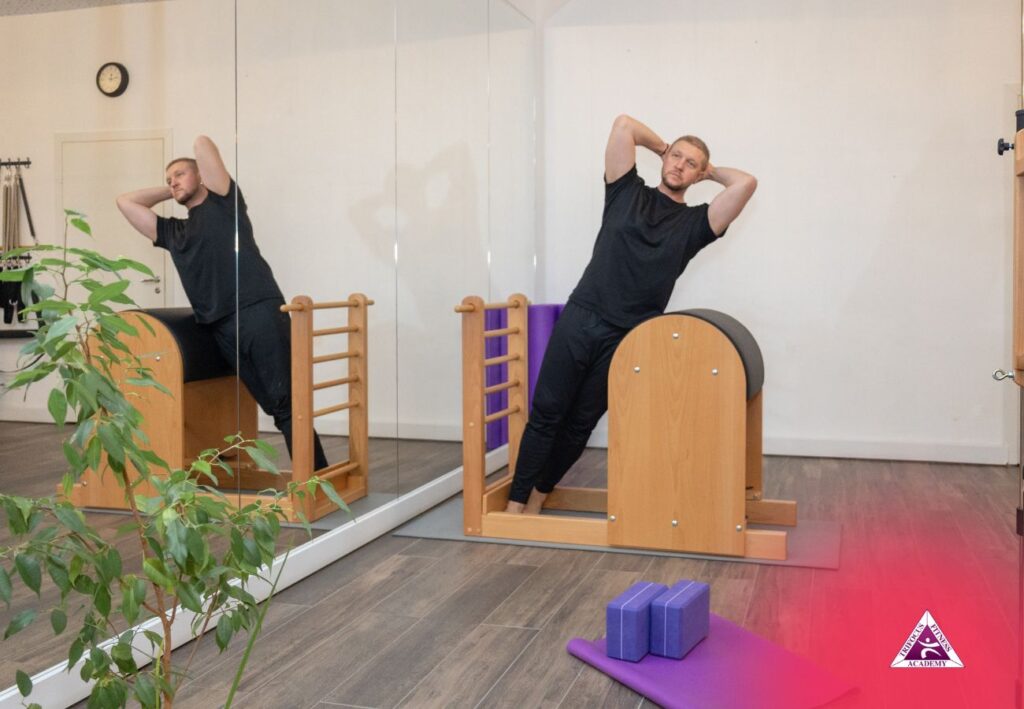
Pilates exercises have evolved into one of the most popular ways to strengthen, flex, improve posture, and promote overall body health. Many people think of Pilates when they think of fitness classes or rehabilitation programmes, but there is so much more to its benefits. The greatest benefit of Pilates is that it enhances movement efficiency in daily life, making everyday activities easier, safer and more comfortable. Movement efficiency is the body’s ability to function with proper alignment, balance, and coordination, with minimal unnecessary effort. From carrying shopping, climbing stairs, carrying children, and working at a desk to enjoying recreational activities, efficient movement reduces fatigue and the risk of injury.
Strengthening Core Stability for Better Everyday Movement
One of the basic tenets of Pilates, and a key to efficient movement, is core strength. The core consists of the muscles of the abdomen, lower back, hips and pelvis, and they are all important in stabilising the spine and assisting in almost every movement throughout the day. Core stability is essential for many everyday tasks. Coordination of the core muscles is necessary for tasks such as bending, lifting, reaching, walking, standing, and sitting. If this aspect is weak, it can lead to low back pain, poor posture, ineffective movement patterns, and decreased balance.
Pilates is an exercise that targets the deep stabilising muscles of the core. Pilates doesn’t just teach superficial, bulky muscle activation; it also promotes balanced muscle engagement to help the body maintain proper posture and control. Better core stability will enable people to move more confidently and efficiently. There is less stress during everyday activities, as the body is well supported and balanced. This can help to minimise excess strain on joints and surrounding muscles.
Core strength is also important for preventing injuries. A strong base allows for better force distribution during motion, which minimises excessive stress on the lower back and other vulnerable areas. As people keep doing Pilates, you may see a difference in posture, balance and movement quality as a result of increased core strength, and find daily tasks easier to perform.
Improving Flexibility, Mobility, and Joint Function
In addition to strength, flexibility and mobility are important factors in moving efficiently. The muscles can tighten, and the joints can become restricted, which can reduce mobility, increase discomfort, and cause the body to adopt a less efficient way of moving. Pilates resolves these problems by promoting a flexible balance and improved joint function. Pilates incorporates flexibility and strength, as well as controlled movement, unlike stretching programmes, which place sole emphasis on stretching the muscles. This holistic approach will promote better functional mobility and joint stability.
The practice of Pilates is designed to promote normal movement in the spine, hips, shoulders and other major joints. Greater mobility enables individuals to perform daily tasks more easily, such as reaching high overhead, turning, squatting, or stepping on uneven surfaces. Flexibility also promotes good posture. A tight muscle can throw the body off balance, leading to pain and poor movement patterns. Pilates lengthens stretched muscles and strengthens weak muscles, establishing muscle balance.
Improved joint mobility can also help alleviate stiffness that may occur during prolonged sitting or repetitive activities. An increasing number of people report increased comfort in their daily living after using Pilates. Flexibility, strength and mobility combine to enable the body to move more freely and efficiently. This is a well-balanced approach that maintains physical function and promotes healthier movement throughout life.
Enhancing Balance, Coordination, and Body Awareness
The efficiency of movement is closely linked to balance and co-ordination, but these are often overlooked in activities until they cause problems. Pilates emphasises the development of skills that are executed precisely and under control, challenging the body and the mind. Proprioception (also known as body awareness) is the ability to know where the body is in space and how it is moving without just looking at it.
Pilates helps people focus on position, alignment, breathing, and muscle engagement in each exercise. This heightened awareness can extend into their normal lives. Better balance equals fewer falls and more confidence in moving. Good balance helps with walking on uneven ground, climbing stairs and changing direction, making it easier and safer to move around. Consistent Pilates practice also aids in coordination.
Working a variety of muscle groups simultaneously in an exercise produces a controlled movement pattern that promotes smooth, efficient movement. This coordination can work for things as simple as household tasks to sports-related activities. Enhanced body awareness can help prevent discomfort or injury by enabling a person to identify poor movement patterns. Many small changes to posture and movement can make it much easier to do things. Improved balance, coordination, and body awareness may lead to increased confidence in physical skills and greater comfort engaging in a variety of activities.
Reducing Injury Risk Through Efficient Movement Patterns
The greatest long-term advantage of Pilates is the prevention of injury by encouraging efficient movement patterns. A large number of injuries result from repeated suboptimal movement, muscle imbalances, or a lack of stability. Pilates teaches people proper posture, controlled muscle activation, and balanced body mechanics. These abilities make life easier for joints, ligaments and muscles.
If the technique is incorrect, repeating the same movement can lead to discomfort or overuse injuries. Pilates corrects these movement patterns by strengthening weaker muscles and improving coordination throughout the body. The focus on controlled movement also fosters greater awareness during physical activities. People gain an understanding of their own lifting, bending, carrying, and normal activities, reducing their risk of making sudden or awkward movements that can cause injury.
Pilates is especially helpful for those who work in the same position for prolonged periods or engage in repetitive activities. Better posture, flexibility, and core stability can mitigate many of the physical symptoms of sedentary living. Improved movement efficiency often means the body is less strained when completing basic tasks. This decreased physical stress helps maintain joint health and physical strength over time.
Conclusion
Pilates provides much more than fitness or flexibility. It is a practical and very effective way to make everyday movements more efficient by strengthening the body, improving mobility and promoting proper movement patterns. Core stability will provide better support for everyday movements, and greater joint flexibility and mobility will allow the body to move more easily and efficiently. Further, improved balance, co-ordination and body awareness facilitate safer and more confident movement in a variety of everyday activities. Most importantly, Pilates promotes long-term health benefits for the body by minimising the risk of injury and improving any inefficient movement patterns. These benefits support people’s health, helping them stay active, independent, and physically able at various life stages.
Contact Trifocus Fitness Academy
Explore the rewarding path of becoming a certified Pilates Instructor. Unleash your potential and inspire others on your journey with Trifocus Fitness Academy’s comprehensive Pilates Instructor program.

Frequently Asked Questions
The strengthening of the core, improved posture, and enhanced flexibility gained from Pilates exercises enable people to move more efficiently and with greater control. The body moves more aligned, with less unnecessary strain, and is more comfortable and coordinated, and performs better in daily activities as a result of regular practice.
Yes. Other Pilates exercises can be modified for all fitness levels, including beginners. Many exercises are designed to slowly build core strength, mobility, and body awareness, to ensure they can improve movement efficiency and minimise the risk of injury as they get stronger.
Absolutely. The body is supported and aligned in proper position through Pilates exercises. Better posture will help decrease muscle tension, prevent back pain, and promote efficient movement patterns and body mechanics in daily activities.
People often report benefits from doing Pilates 2-3 times a week. Through regular training, strength, flexibility, balance, and coordination gradually improve, leading to more efficient movements during exercise and greater confidence in everyday movements.
Yes. Pilates exercises help develop movement mechanics, core stability, and muscle balance, reducing unnecessary stress on joints and muscles. Better body awareness and coordination reduce the risk of injury during daily, recreational, and other physical activities.
Yes. Pilates exercises are great for older adults as they enhance balance, flexibility, mobility and core strength. These benefits promote independence, increase movement confidence, minimise fall risk and enable people to stay active to conduct everyday activities with greater ease.