
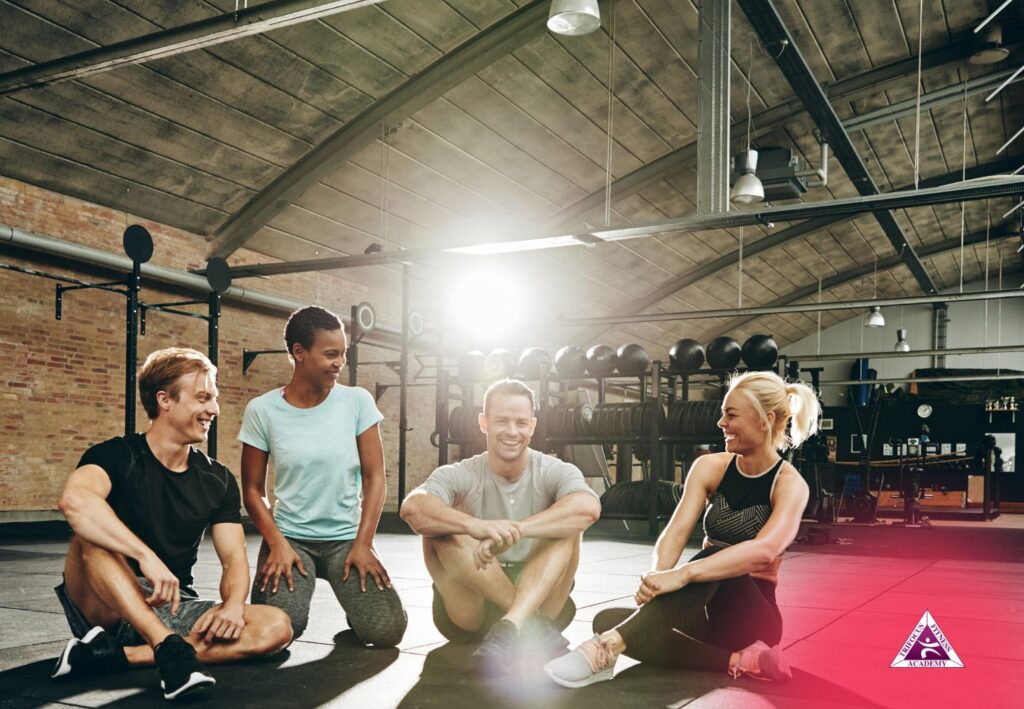
Group exercise has emerged as one of the most inclusive, community-focused ways to stay active today. Still, not everyone walks into a fitness class with the same workout background, abilities or level of confidence. Some are lifelong exercisers; others have never really trained. There could be people returning from injury, older individuals who want to maintain their range of motion, or those managing anxiety about exercising in public. Building safety in group exercise is about more than just physical safety; it’s also about emotional comfort, social inclusivity and trust.
Your aptitude as a group exercise instructor to meet people where they are can determine whether someone will have a relationship with fitness at all. Your environment can either empower or intimidate. And in a class filled with all types, it is even more critical to create a genuinely safe, welcoming environment.
Use Language That Encourages, Not Intimidates
The terms you choose in a group exercise class may have a long-term effect, and it could even outweigh the workout itself. Language plays a significant role in shaping how individuals feel about themselves, their progress, and whether they belong in the room.
Don’t use shaming, pressuring, or comparing language. Sayings like “no pain, no gain” and “burn off that weekend” are meant to be motivating but can backfire or elicit negative feelings, particularly among newcomers to fitness. Instead, adopt inclusive, empowering language that centres on strength, moving forward and taking care of oneself. Phrases like “listen to your body,” “do what feels right for you today”, or “progress looks different for everyone” encourage a more sustainable and healthier approach to movement.
Celebrate effort, not appearance. Recognise participation and completion, not just perfection. Be sure to compliment on form, focus, or attitude instead of physicality. This demonstrates that your class appreciates the process, not just the final product.
Also, be mindful of how you correct. Rather than calling someone out in front of the class, consider providing general cues to the group or making subtle, respectful adjustments when safety is at stake.
In group exercises, creating a safe space means using your voice to lift people rather than tear them down. They are more likely to push themselves and show up consistently, rather than getting anxious or feeling rejected when they’re unable to do a workout perfectly, which fosters the strongest possible relationship with fitness that lasts.
Offer Modifications and Progressions for Every Movement
The single best way to keep everyone safe and included in group exercise is to offer modifications and progressions for every exercise, making them obvious. Not all members of your class will have the same ability, experience, or energy on any given day, so flexibility is necessary, too.
Adaptations aid beginners, older adults and anyone with injuries who want to join a class without the fear of either falling out or doing too much. For instance, offering options like step touches instead of jump squats or a push-up from the knees rather than the toes can make a world of difference for someone who is still building strength or rehabbing an injury.
Dominating but offering progressions to challenge advanced participants, too. You may offer to add a jump as a plyometric move from a lunge to deepen the range of motion or to lift weights if you’re looking for more challenge.
The trick is to show everything up front, so no one feels called out. Provide choices that reinforce autonomy, such as “Choose the level of practice that feels best for your body today,” rather than suggesting that one version is better.
It’s an effective way to diffuse intimidation, foster safety, and cultivate self-consciousness. It also lets you step up your workout without being judged.
Because when your classes reflect these options. Everyone, at every fitness level, will feel welcome and like they are being worked hard in a way that is right for them. It’s that flexibility that has built a truly welcoming group fitness environment.
Foster a Culture of Acceptance and Community
Making group exercise a safe space isn’t just about workouts; it’s about personal connections. People feel committed when they see themselves as part of a community that cares for them, not merely performs with them.
Instead, start by learning names and using them as much as you can. A simple “Welcome back, Sam!” can make a participant feel seen and valued. Take time to say Hi to new people and introduce them around. As a way of breaking the ice, it instantly puts the space at ease.
Facilitate a sense of connection through partner or small group activities, but always provide solo options. Even your kind who enjoys talking out of breath will make room for this discussion, so indulge both preferences without guilt.
Establish an ethos of kindness and inclusion. If your energy is open, inviting, friendly, and non-judgmental, others will mirror that. Call out cliques or exclusionary behaviour early and often; everyone should feel that they belong there, irrespective of appearance, ability, or background.
You can also build community outside the workout by interacting on social media, hosting the occasional post-class chat, or creating a private group where people can share tips, goals, or wins. This encourages relationships and increases accountability.
People return, not just for the fitness, but for the connection.” When people come to group exercise and feel that everyone can show up, they will go with more confidence, greater consistency, and a greater sense of belonging.
Prioritise Physical Safety Through Smart Programming
Inclusion in group exercise begins with programming that prioritises physical safety for all people, regardless of ability. That means designing workouts that are challenging without being reckless, effective, and staying accessible.
Start with a good warm-up to slowly raise your heart rate and engage the big muscles. This becomes especially important in a mixed-level class, where everyone might need more time to find their way into movement.
Steer clear of complicated combinations that can be too challenging for others and discourage them. Instead, target functional movements you can pile on to increase intensity. With simple, concise cues and visual demonstrations, teach correct form.
Look over the room for hazards, slippery floor space, cramped quarters, or equipment debris that should be cleared and accounted for. Encourage hydration, rest when necessary, and remind all that a break is not an indication of weakness.
Be proactive about common issues. For instance, add knee, back or shoulder considerations as options to your form. Ask early in class if anyone has an injury, and make yourself available before and after for questions or guidance.
Use mirrors, but go easy on appearance-based corrections. Instead, practice alignment, breath and body mechanics.
“At the end of the day, if you want to change the industry, create smart and thoughtful programming,” he says. “Make sure people know they aren’t just there to make people sweat; they’re there to help them move more safely and sustainably. But when participants feel safe in their bodies in a group exercise class, they’re much more likely to relax, engage with the activity, and enjoy it.
Conclusion
Creating a safe space in group exercise goes beyond the equipment, exercises, or music. It’s about the people and their comfort in your presence. When participants of all abilities can check in and feel seen, acknowledged, and embraced, you’re not just leading a class; you’re creating a community where everyone belongs. From the side-scroller you craft to the language you write and the experience, every single decision affects how it all turns out. Safety is offering workouts that are inclusive, adaptable, and tailored to different needs.
It’s about parking your ego at the door and leading with empathy, clarity and intention. And participants don’t come back because they were pulled to the brink, but because they felt seen, challenged at just the right level and safe to be themselves. Every one of those sweaters-vesting lifters and marching-in-place sweepers has earned their place in society by showing up and doing the work. Inclusivity doesn’t dumb down the quality of your instruction; it raises the bar for what you can accomplish.
Contact the Trifocus Fitness Academy
The Trifocus Fitness Academy offers specialised online and internationally accredited Group Exercise courses that have been designed to outfit professionals with all of the skills and knowledge needed to find success as a professional Group Exercise Specialist.

Frequently Asked Questions
It allows all participants, regardless of fitness level, to feel included, valued, and encouraged. It inspires everyone to show up, try new things, and stick with their routine without fear of judgment or injury. It helps to have a safe environment so beginners and even those who have been doing it for a while can be confident. By teaching with compassion, offering encouragement, and building a sense of community in their classes, instructors can help participants stick with it in the long term.
Participants can help create a more inclusive environment in group exercise settings by providing progressions and modifications for all exercises, using nonjudgmental language, and building a supportive class culture. Saying hi, using names, and prompting engagement help people feel connected. Aversion to looks-based remarks and celebrations of effort over perfection also help ensure inclusivity.
Instructors of group exercise classes should use a positive, supportive and inclusive language. Steer clear of shaming or pressure language, such as “no excuses” or “burn it off.” Instead, give empowering cues like “listen to your body” or “do what feels right today.” Recognise the attempts and progress, not only perfect performance. Motivate with language that revolves around power, strength and dignity.
Adjustments take group exercise to a safe and effective level for everyone, as we can offer you whatever level suits your needs, injuries or fitness. Whether it is to provide a low-impact version of a move or to decrease the range of motion, modifications allow people to avoid straining themselves while staying engaged. Showing all options makes participants feel comfortable picking what’s right for them. In this way, nobody is left behind, and it also reinforces respect for every level.
One way to foster a sense of community in group exercise is for instructors to go out of their way to learn people’s names, welcome them, and create opportunities for friendly exchanges. Both team-based and partner exercises can foster connections between people, but always provide ways for individuals to participate alone. Starting a private social group or coordinating infrequent post-class meet-ups can also help strengthen connections outside the studio.
Effective group exercise programming includes a thorough warm-up, a balanced workout, and a cooldown. Mobility exercises are good preparatory exercises and can increase spine flexibility. Overall, you want to choose functional movements that can be modified up or down and avoid overly complicated movements or very complex combination movements, especially when combined with repetitive axial loading, as these can place unnecessary strain on the sprints classification.