
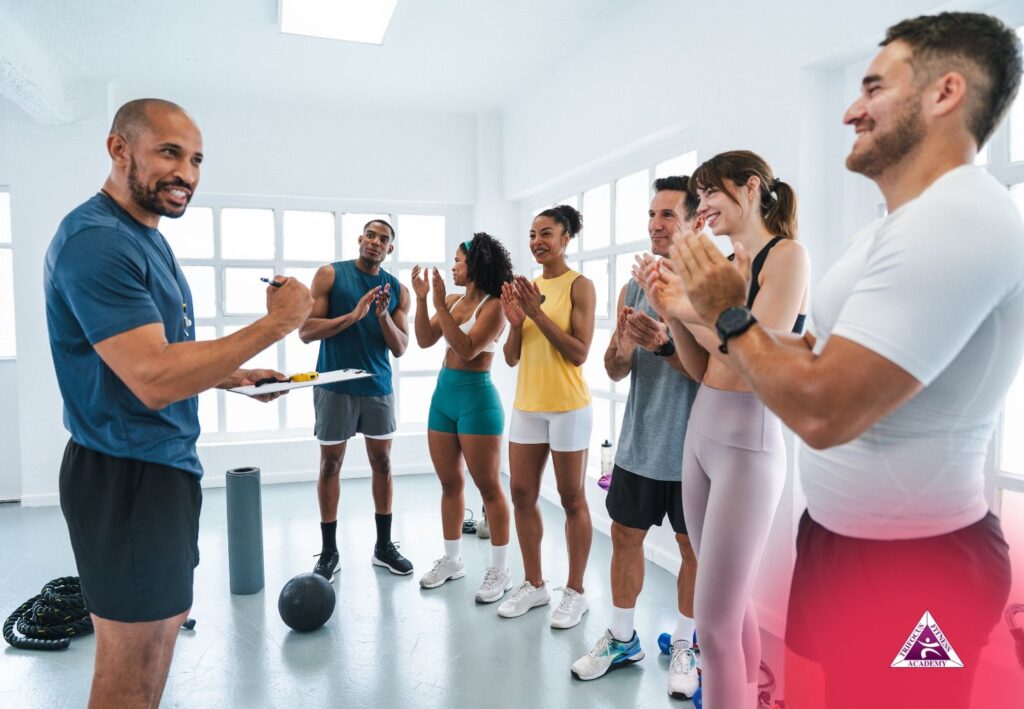
In the fitness class universe, energy is everything. When people come to a workout, they’re hoping for more than just movement; they want motivation, connection and progression. That’s where the group exercise instructor enters. It’s one thing to put on music and lead everyone through a routine, but it takes real talent to keep people coming back week after week. The best group exercise instructors aren’t just teachers; they are leaders and motivators who establish a sense of community that draws people back.
And in a world with unlimited ways to stay fit, group exercise remains trendy for the human connection it provides. And with everyone in it together, every class is packed with motivation, personality, and positivity, not to mention one heck of a workout. Engagement is not just bells and whistles; it’s the difference between being successful, getting results, and creating healthy, lifelong habits.
They employ field-tested methods to design inclusive, inspiring and energetic group fitness offerings that appeal to all fitness types. From the way they format their classes to how they relate to everyone in the room, group exercise instructors use numerous methods to keep clients engaged and excited.
Creating a Positive, Inclusive Environment
A feeling of welcome is one of the best gifts a group exercise instructor can give. A lot of people head into a fitness class feeling uncomfortable or unsure, particularly when they’re new. Great teachers know how to do that by showing up energetically, encouraging everyone and creating an open, non-judgmental space.
The aim, from the first hello to the last stretch, is to make every participant feel seen and valued. This can be as easy as memorising names, paying sincere compliments, and checking in before and after class. These small actions help build trust and loyalty, the greatest enemies of engagement.
Inclusivity, after all, is diversity of choice as much as anything. A quality group exercise instructor provides modifications for new participants and progressions for more advanced participants, so it’s accessible to all while remaining challenging yet safe. When people feel like a workout meets them where they are, they’re more likely to stay engaged and motivated.
Establishing an environment of positivity. Be the driver to put in motion a culture that supports each other. The enthusiastic energy of high-fives, partner work, or team challenges can create camaraderie and melt away that ice. The more people feel they are part of a community, the more likely they are to return and recommend the class to others.
Ultimately, engagement starts with connection. When the class atmosphere is positive, inclusive, and community-based, participants are more motivated to do their best and continue pushing themselves throughout their fitness journey.
Delivering Dynamic, Varied Workouts
Repetition can become boring fast. One of the main strategies that group exercise instructors use to make workouts more interesting is variety. That doesn’t mean reinventing the wheel every time, it means being thoughtful, creative and responsive in how workouts are planned and presented.
High-energy group classes, on the other hand, introduce variety to keep you guessing (and ideally smiling). This may mean rotating the class format every few weeks, incorporating themed workouts, varying the equipment, or using music-based routines. Even slight shifts in sequencing, timing or rest periods can make a class feel new.
Variety is also accommodating for various learning and movement styles. For some, rhythm and flow are it; for others, a high-intensity circuit with measurable metrics. By providing a variety of formats, instructors can reach more participants and help them avoid physical plateaus.
It is just as important to find that balance between challenge and accessibility. It’s no fun to work out if it’s too easy, but workouts that are too challenging can be discouraging. Professionals who have been trained to home at an appropriate level of intensity, provide modifications, and read the room can adjust on the fly. This is a two-way street that keeps everyone involved and safe.
There are also visual and verbal signs. Varying the tone, pace, and teaching style throughout the class can also maintain interest. A combination of countdowns, encouraging statements and cues to silence creates a multi-sensory system that draws minds and bodies in.
Using Music, Motivation, and Energy to Set the Tone
There’s nothing that fuels a group exercise class like the perfect playlist and the energy of the instructor. It’s not just mood music; it’s a tool for engagement that influences tempo, mood and motivation. Great instructors will be able to match music to the rhythm of the class, high-energy beats for cardio bursts, and slower tracks for cooldown stretches.
The instructor’s voice and energy set the tone beyond the music. And enthusiasm is infectious, and when instructors are purposeful and positive in their approach, participants tend to feed off that.” Clear, confident cueing and live coaching in the moment means cues that encourage people to push through challenging intervals, all while remaining present and engaged in the workout.
Motivating language helps, too. It isn’t screaming; it’s meaningful and timely words that remind those present of why they are there. Slogans such as “You’re stronger than you think,” or “This is your time” can refocus and propel those who are stalled in self-doubt.
Another way to get students engaged is to have them move to the beat or lyrics of a song. This helps with the flow, resonates with your participants’ natural rhythm, and keeps them in time with the rest of the group.
Finally, real energy trumps fake hype. The top group exercise instructors are authentic. Whether they are naturally high-energy or more grounded, they bring presence and commitment that empower others to match their intensity.
Building Relationships and Tracking Progress
The group exercise experience doesn’t end after the workout. The best teachers know it is about creating relationships and nurturing progress over time. These relationships are built on both loyalty and a sense of belonging to something greater than just a class.
If instructors bother to know their regulars, ask about goals, check in on injuries or celebrate milestones even when they’re not getting a shout-out during class mic time,participants are more likely to return. There are small interactions that build trust and serve as proof that the instructor really does care about each person’s journey.
Another engagement booster is tracking progress. Although group classes aren’t necessarily performance-based, instructors can look at growth over time. This could involve timing intervals, reps or when an exercise becomes easier in terms of form, strength and/or confidence. Once people see they are making progress, they want to keep going.
Some instructors also lead group challenges or use fitness apps on which participants can log workouts or set goals. It provides organisation, accountability, and accomplishment to group workouts.
Instructors may also interact with their community outside class through social media, newsletters or private fitness groups. They provide maintenance of motivation between sessions and ongoing connection during the week, which tends to help maintain high levels.
The key takeaway is that forging relationships and celebrating progress transform an hour of exercise into a fitness journey. And when we help people feel seen, supported and celebrated, they stick with it.
Conclusion
It’s part science, part intuition. It’s not only about teaching a workout, but also about delivering an experience that inspires, challenges and connects. Trained group fitness instructors use a mixture of strategy, creativity, and emotional intelligence to capture interest, inspire motivation and develop lasting connections.
A positive, welcoming environment sets the support. When participants feel welcome and supported, they are far more likely to open, give it a go and come back. By keeping workouts dynamic and varied, you can make it fun, challenging and anything but dull, which could help results come quickly. Combine that with suitable music, motivational language and real energy and suddenly the class becomes a shared, empowering experience rather than just another workout in the diary.
Contact the Trifocus Fitness Academy
The Trifocus Fitness Academy offers specialised online and internationally accredited Group Exercise courses that have been designed to outfit professionals with all of the skills and knowledge needed to find success as a professional Group Exercise Specialist.

Frequently Asked Questions
Group exercise instructors help spice up group fitness classes by mixing things up from workout to workout and using different music, formats, etc, so that we do not become bored! They can combine a mix of intensity levels, throw in various moves and put together themed classes to keep attendees mentally and physically stimulated. Fun challenge activities, games, or partner work also increase enjoyment. The great leader does not provide training; the great leader reads the room and adapts on the fly to keep energy high.
There is also a significant engagement with music in group exercise. It drives people, it raises the tempo, and it also really changes how you might fight that workout. Faster songs can push through intensity, and slower ones can back a cooldown or stretch. Creating movement that aligns with the beats and creating a rhythm makes classes feel more cohesive and fun. Music is also mood-boosting and motivational, particularly when the going gets tough.
The friendly group fitness class begins with the instructor’s attitude. A cheerful facial expression, using the participants’ names and expressing genuine concern are all ways to make people feel good. Teachers who are thoughtful about providing modifications and make everyone feel welcome, no matter what their fitness level, foster an environment where no one feels excluded. Encouragement of one another, emphasising teamwork and cheerfulness, makes for a community. Group exercise instructors also establish a nonjudgmental atmosphere that encourages people to get comfortable moving, regardless of their experience level.
Group exercise can attract people of all different levels. Good instructors keep everyone working with a mix of modifications and movement progressions. They remind participants to listen to their bodies, move at a pace that feels right and push themselves safely. Cueing for variations indicates that everyone can be included, with low-impact and high-intensity versions. Teachers also switch up the emphasis from perfection to progress in a world where every little bit counts.
Yes, group fitness instructors are clutch for long-term motivation. Through relationships, successes and excitement about the classes, they serve as motivators to keep students engaged. Motivation oozes from regular pat-on-the-backs, small victories, and genuine relationships. Beyond class, many teachers offer tips, support and community through social media or fitness challenges. It’s this extra level of involvement that makes participants feel responsible and accountable to someone.
The greatest connector to group exercise engagement is community. Participants who feel like they belong are more likely to stick with it and stay consistent. Group ex instructors cultivate this philosophy by promoting interaction, support and teamwork within the class. Personal milestones and group challenges, whether it’s someone’s birthday or leading a race, can also foster camaraderie. Others come back not only for the workout, but for the people and energy in the room.