
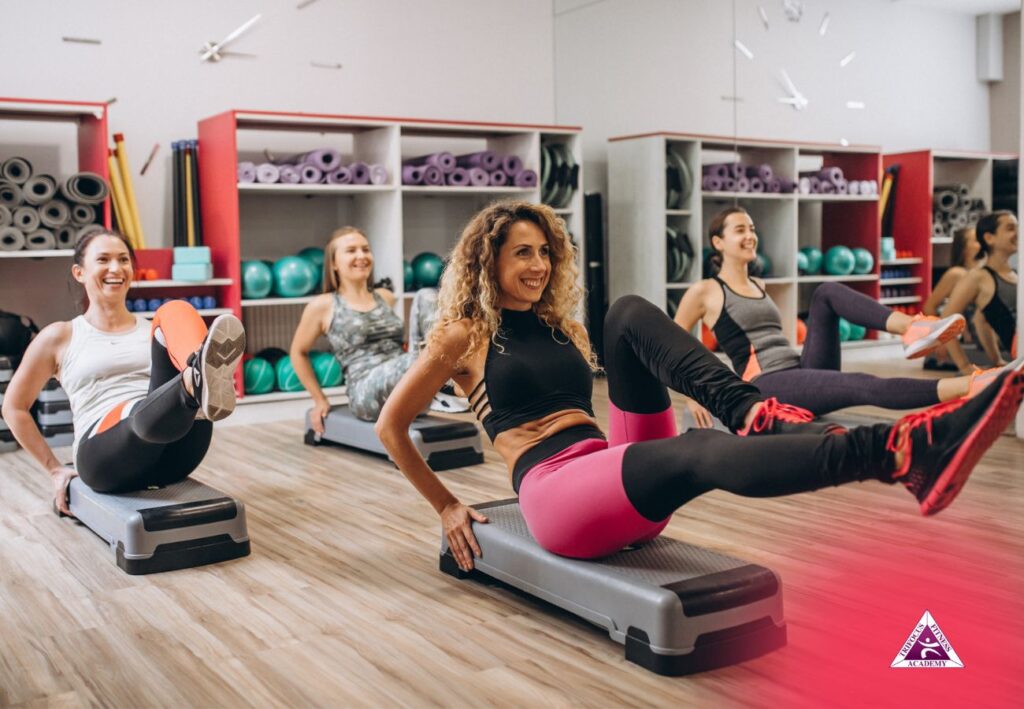
Group workouts are booming right now, and it’s easy to see why. It provides a fun, inspiring, and high-energy way to get fit, delighting both novices and experienced exercisers alike. However, with numerous Group Exercise classes to choose from, ranging from high-intensity interval training to yoga to strength-based formats, selecting the best option for your fitness goals can be overwhelming. It’s a sure-fire way to find a workout you can stick with, make progress quickly and maybe even enjoy exercise more than you ever thought you would.
When choosing a group fitness class, consider your current fitness level, your goals, and the environment that best motivates you. Do you want to lose weight, gain muscle, get flexible, or reduce stress? Are you high energy or are you quiet, focused movement? Are you super competitive, or do you need support and camaraderie?
Matching Group Exercise Classes to Specific Fitness Goals
When selecting the perfect group exercise class, begin by asking yourself what your core fitness goals are. Every class is not created with the same result, so have an idea of what you want to come away with. Whether you’re trying to lose fat, pack on muscle, de-stress or improve your mobility, there’s a group format that suits your goal.
If you have a weight loss or fat-burning goal, a cardio-focused group fitness class such as spinning, dance cardio, or high-intensity interval training would be a preferable choice. These workouts raise your heart rate and make you sweat a lot of calories, with a little extra oomph from the teamwork’s added intensity. They’re a great way to develop cardiovascular strength and endurance as well.
If you’re looking for a workout to tone up or build muscle strength, consider group fitness options like circuit-style workouts, boot camps, or body pump. These circuit-based weight classes are designed to target all the various muscle groups and are run in conjunction with gym programs. They assist in the growth of lean muscle tissue, which in turn elevates the resting metabolism and gives you a more toned body.
If flexibility, balance, and stress reduction are more your focus, try yoga or Pilates Group workout classes. Hopefully! These sessions are low-impact but incredibly effective at working the core, optimising posture, and helping to stay focused. They are for individuals seeking to use yoga to connect with their mind.
The optimal assumption is that the class you picked up has one goal. This doesn’t just make you more intentional with your workouts, but it also improves your ability to measure progress. Group exercise is more powerful when related to your goals.
Considering Instructor Style and Class Environment
The instructor can make or break your group exercise experience with their energy and teaching style. Every teacher has their personality, teaching style, and pace to some extent. Some will be intense motivators who push and push you to your limits, others will be more technical and form-focused, and others will be more based on education. A tutor who teaches you in a way that aligns with your learning style will significantly enhance your experience and results.
If you’re a person who craves a lot of external motivation, select Group Exercise classes led by coaches who are fired up, vocal and engaging with participants. These sessions are generally more collaborative with a high-energy atmosphere, so everyone is motivated to stick to it as a team. If you tend to be a bit more of a structured, precise person, you may enjoy a teacher who focuses on form and technique.
Also consider the class environment. Is it competitive or supportive? Is it beginner-friendly or designed for those more advanced? A positive, inclusive group exercise environment can help build your confidence and lead to greater adherence to the routine. If a class feels too intimidating or overwhelming to attend regularly, you can wind up getting stuck in your progress.
You might also consider just trying out a few different classes or instructors to see what works best for you. Most gyms and studios provide trial passes or the option to drop in. Leverage this and search for the place where the atmosphere brings out the best of you and allows you to show up and love the ride consistently.
Understanding Class Structure and Workout Variety
Not every group exercise class is formatted the same, and knowing how a class is structured may help you find a class that’s the right length of time for you, has elements you find enjoyable and can hold your attention. Some classes have a structured format; others vary each time. Some zero in on full-body workouts; others are narrower in their focus on specific areas or skills.
For those who crave variety, sessions in boot camp or functional training classes frequently mix exercises, equipment and formats. This keeps it new and keeps it from getting boring. Classes of that nature often include a mix of strength, cardio and agility work, Judelson said, which can be helpful for overall fitness and tightening up your whole physique. If you drool over more unconventional fitness challenges, you might find your match in these workouts.
If you thrive on structure and routine, choose classes such as a strength circuit or indoor cycling. They’ll generally follow a kind of routine week to week, and this is very helpful for tracking progress and building up your mastery. You know what to expect, which can lower stress and enhance focus.
And there’s the length of time and the intensity. Some Group workout classes are short and intensely complex, lasting 30 to 45 minutes; others last a full hour with a slow build-up. Select a class length and tempo that work for your current fitness level and timeframe.
The variety in workouts is all well and fine, but so is consistency. The top Group Exercise class pushes you but doesn’t kill you. It should be something you can commit to doing regularly and that you feel good about. An intelligent, well-designed workout helps you pace yourself toward your fitness goals.
Listening to Your Body and Adjusting
It’s not regularly used as a defence, but selecting the right group exercise class can involve a little bit of good old-fashioned listening to your body and changing course when necessary. I wrote an article a while back describing how all your training needs are dynamic relative to your energy levels, physical state, life stress, and recovery status. It’s your class which should support where you want to go without pushing past what is good for you to do.”
Group workout classes can be motivating, but they can also push people beyond their physical limits. If you are constantly sore, feeling burned out or on the brink of injury, it may be time to reevaluate the intensity of the class you’re attending. Select a format that is pushing you but not burning you out.
You’ve got to find teachers who support the practice of modifying poses.” A decent group exercise instructor will provide easier and more complicated versions to suit different levels of fitness. That way, you can stay within your lower price range and still get the most out of the class. Feel free to take breaks, go slower, or eliminate any moves that aren’t optimal for your body.
Keep in mind that your needs may change as time goes on. You could begin with low-impact classes and work your way up to more intense courses. Or you could mix and match what you do, depending on your weekly schedule and your body’s response. There is no one-size-fits-all solution.
Group workout should enhance your life. The goal is to pick a class that makes you feel good both physically and mentally, so your workout can be something you enjoy and stick with long-term.
Conclusion
Selecting the Best Group Fitness Class for You. This is highly individual and can make a huge difference in your success and enjoyment of your fitness. Given the numerous types of classes, teachers, and styles available, it’s essential to do some advance work to ensure your class and studio selection align with your goals, interests, and physical requirements. The right class, one that inspires you, serves your goals, and is suited to your lifestyle, can make the difference between adhering to and abandoning a routine.
Begin by determining your current fitness goals. Whether it’s weight loss, building muscle or strength, improving flexibility, or reducing stress, our group exercise classes can help you achieve your fitness goals. From that point on, think about the instructor’s style and the environment’s vibe. It’s easier to stay consistent when you feel supported and engaged.
Contact the Trifocus Fitness Academy
The Trifocus Fitness Academy offers specialised online and internationally accredited Group Exercise courses that have been designed to outfit professionals with all of the skills and knowledge needed to find success as a professional Group Exercise Specialist.

Frequently Asked Questions
Begin by deciding on your number one goal: to lose fat, build muscle, find some flexibility or peace? Then align that goal with the format of the class. “It could be a cardio class for weight loss, a strength class for toning and muscle building, or a yoga or Pilates class for mobility and mental focus.” Opt for a class that corresponds to a goal, so your workouts become more targeted, enjoyable and little by little, more effective.
Yes, most Group Exercise classes are programmed to be inclusive and modifiable. Trainers typically provide modifications for varying fitness levels, so you can join in on the action safely if you’re new. Select a class geared toward beginners or one that goes at a slower pace. If you have concerns, always check with the instructor in advance. Group Exercise is a good place for people to start, as it offers structure, support and motivation in a friendly setting.
The style of instruction can have a significant impact on the success of your class. Some teachers are “high-energy” and “rapid-fire,” while others are “cool” and methodical. And find someone like you who motivates you and keeps you from getting bored. A good instructor not only leads you through the workout but also corrects your form and motivates you without becoming overwhelming. Experiment with other classes until you find an instructor you click with. If you enjoy the instructor’s energy, you are more likely to be committed.
Think about how the class is set up: is it full-body conditioning, is it targeted toward different muscles, or is it a mix of cardio and strength? Variety prevents boredom, but some people like routine. Pick a group class that suits your style and the needs of your training. If you prefer routine, consider courses with a structured format. If you want some excitement, choose one that shifts regularly. “Structure is enormous in terms of helping you maintain consistency and get results.
If a class is too daunting, adjust the movements or take breaks. Most teachers will tell you to listen to your body. Opt for classes that have modifications for various levels of fitness, and avoid comparing yourself to others. As your fitness increases, you can progress to more intense workouts. A group class should push you, but never kill you. You’re better off starting sooner, rather than going all in and needing some bubble days in that GST fall, because your body won’t let you sit anymore. That’s the truth. Progress takes time, not perfection.
Absolutely. Introducing diversity in class types can keep your schedule exciting and help you maintain a broad-based fitness level. For instance, you might strength train twice a week, do cardio once, and practice yoga for recovery. An arrangement of alternating classes can fend off a plateau and also keep you mentally invested. And you can also customise your schedule each week based on your energy level and availability. Small group training is flexible and adapts to you as your goals and interests evolve.