
In this present fast-paced, high-pressure world, mental health has increasingly become an essential point for individuals and communities. Meditation and medication are often promoted in mental health discussions, yet an affordable and powerful tool for change frequently falls to the wayside: no, not meditation, but exercise. Personal training, especially, is a tailored, supportive way of working out that can improve your mental well-being.
Private Training is about more than getting into shape or shedding excess pounds. It is a professional and personal coaching that builds trust with each person and creates a safe space for individuals to push themselves physically, benefiting from the mental health promotion that comes from regular movement. Whether it’s anxiety, depression, chronic stress, low self-esteem or something else, Private Training can offer the physical outlet and the emotional support you need to grow.
Building a Routine for Emotional Stability
A structured routine is one of the most valuable mental health benefits of personal training. Anxious, depressed and chronically stressed people experience day-to-day life as a blur. Personal Power: Personal training brings discipline and rhythm into your life, two elements that are the driving force behind emotional stability.
A client would be a personal trainer’s client, for whom they could help plan and track progress, including regular one-on-one meetings to assess progress and adapt to sudden lifestyle changes. This structure creates a base of reliability and routine, which is often disrupted during mental health battles. When clients know they have a training session on the books, they are more likely to get out of bed, move, and show up for themselves, even when it’s challenging.
This uniformity is necessary for those wrestling with mental illness, a sense of normalcy, or, at the very least, control. It provides relief from busy or negative thoughts and introduces a healthy routine. Ultimately, the predictability of Private Training sessions can help alleviate stress, reduce anxiety, and promote emotional stability.
Private Training also aids in the identification and attainment of micro-goals, which then reinforce behaviours. Clients experience a sense of purpose and direction when these targets are achieved, distancing them from feelings of hopelessness or stagnation. With the assistance of a coach, routine is more than rote—it’s a reliable port in an unpredictable world that provides mental clarity and emotional balance.
Enhancing Mood and Boosting Energy
It is known that physical exercise has a profoundly positive impact on mood, and personal training amplifies this effect by providing the accountability and forward momentum needed. When people work out consistently, such as with the help of a personal trainer, their body releases endorphins — chemicals that serve as natural mood elevators. These biochemical changes can particularly apply to people suffering from depression, anxiety, and emotional exhaustion.
A personal trainer tailors a workout to how a client feels in the moment and their fitness level that day. On your low-energy days, they might suggest light movement, such as stretching or gentle cardio. On high-energy days, they might add more demanding routines to elicit a better release of endorphins. This personalised method ensures that each session contributes to the client’s emotional well-being.
Personal training also helps counter fatigue by improving sleep quality and enhancing physical endurance. Most people with mental health problems experience sleeping problems or chronic tiredness. Exercise stabilises circadian rhythms, and getting stronger and improving cardiovascular health will deliver a steadier stream of energy throughout the day.
Plus, even if all you do is a little bit of a workout, you know you’ve done something good. This may inspire motivation and foster a more positive mindset. These mood boosts build over time. The body adjusts, the brain responds, and people start to sense a change not only physically, but also emotionally.
The regular interaction of endorphin-induced euphoria, vitality, and achievement is a strong loop that promotes better mood and emotional health long-term, and Private Training is a great way to create that loop for yourself!
Increasing Self-Efficacy and Confidence
One of the symptoms of mental health issues is low self-esteem and confidence. Private training is the perfect medium for disproving these patterns, as its focus is directed toward achieving small victories, self-improvement, and building trust. With the assistance of a coach guiding them and presenting them with manageable challenges, clients can begin to develop a sense of themselves as competent and strong.
In personal training, it is not just physical progress that is important — it is also psychological. Every new PR, whether it’s a new maximum lift, running a longer distance, or improving at a movement, builds self-efficacy. This is the notion that one has some say in how things turn out for oneself. When it comes to mental health, developing this belief is crucial for sustained resilience.
Trainers are an essential part of this team, offering praise, celebrating victories, and highlighting areas where individuals can improve. This relationship fosters positive self-talk and encourages clients to replace self-criticism with self-care. When our mindset shifts away from perceived deficits or lack, people start to focus on effort, growth, and potential.
It also fosters body-mind awareness and connection, a byproduct of personal training. As clients become more attuned to their posture, strength, and coordination, they begin to inhabit their bodies with greater pride and awareness. That augmented body confidence turns into mental confidence.
The mirror, over time, comes not just to reflect what happens to our physiques, but also what happens to our spirits. With Personal Training, confidence is no longer a question of looks, but of believing in oneself, and that’s what’s necessary to sustain mental health results.
Fostering Social Connection and Accountability
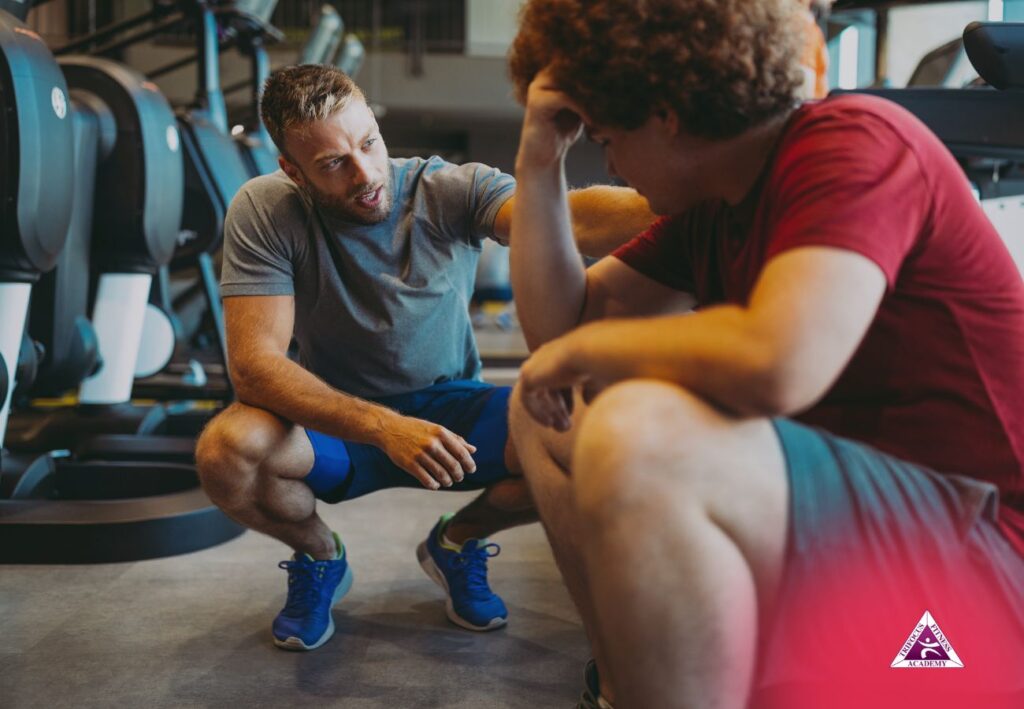
One of the most toxic components of poor mental health is isolation. Personal training addresses this need by fostering socialisation and built-in accountability. The trainer-client relationship is positive, ongoing, and encouraging—a lifeline of sorts for those who suffer in isolation.
Having a personal trainer is a safe place to vent and say what is difficult, what has improved, and receive an energetic pat on the back. This consistent relationship can help ease loneliness and make people feel acknowledged and supported.
Private Training also brings positive, non-punitive accountability into the equation. Knowing that someone is depending on you to be there, to show up — even on the hard days — might be just the added boost you need to make a commitment and stick with it. It moves the motivation out of guilt-based (“I should work out”) into relationship-based (“I don’t want to let my trainer down”).
Group training alternatives can even enhance this benefit by allowing clients to connect with like-minded individuals. However, shared workouts, support, and progress together help develop that sense of belonging and community.
Ultimately, these social dynamics are vitally crucial to mental health. They convey to clients that they are not alone, that they can make progress, and that they can receive support. In personal training, the workout is only part of the equation — the human connection is the other, equally important part.
Conclusion
Exercise is often linked to physical well-being. However, the payoffs for mental health are just as significant. That’s what Private Training is: more structured and individualised forms of personal attention and emotional support. It turns workouts into full-body well-being sessions that feed the body and soul.
The mental health benefits of personal training extend far beyond the gym. With the establishment of routine, clients gain emotional stability. By engaging in endorphin-boosting workouts, they enhance their mood and energy levels. As they achieve physical milestones, they become more confident and assertive. Through trainer-client relationships, they discover connection, support, and accountability.
Contact the Trifocus Fitness Academy
The Trifocus Fitness Academy offers specialised online and internationally accredited Personal Training Courses designed to equip professionals with all the skills and knowledge needed to succeed as a professional Personal Trainer.

Frequently Asked Questions
They also help with mental health by providing structure, routine, and emotional support. Frequent exercise releases endorphins, decreases stress, and boosts mood. Training with a personal trainer also motivates clients and enables them to set achievable goals. This metanoia decreases fear and restores some semblance of control, both essential for mental health. Private Training is not only about physical strength; it builds emotional resilience, boosts self-confidence, and provides a reliable, supportive relationship that genuinely helps people feel and function optimally.
Yes, personal coaching can significantly lower your anxiety level and reduce the amount of stress in your life. Exercise, on its own, reduces cortisol and increases the feel-good hormone, endorphin. The one-on-one structure of Private Training, combined with expert guidance, benefits clients by helping them stay on course and maintain peace of mind. The trainers lead clients through tailor-made workouts that correspond to their energy levels and moods. This provides an active and safe form of de-stressing.
Personal training is also about accountability, as well as structure and emotional support, which solo workouts cannot deliver in the same way. A personal trainer tailors workouts to fit your schedule and mood, ensuring you can stay on track even on challenging days. Private Training can also provide support and assistance, which can help make sessions less intimidating and more fulfilling. Having someone in your corner opens doors and establishes a support system that you can rely on.
Absolutely. Personal training enhances self-confidence by focusing on progress, rather than perfection. Self-efficacy: the belief that you can achieve your goals. As clients grow stronger and more proficient, they take pride in what their bodies can accomplish. Private Training is also a safe space where effort is encouraged, and little wins are celebrated. Eventually, people regard themselves as capable and resilient. This newfound physical and mental strength usually carries over into increased self-confidence in other areas.
Yes, personal training is particularly good for people who have depression. It is challenging to take care of one’s health when depression sucks away both energy and motivation. Training by a human being provides reliability and a steady source of help that understands how to train the body and emotions. An individual trainer can customise the sessions to suit the client’s capabilities and encourage small, achievable steps to help the client achieve improved mood and mental clarity.
Personal training develops emotional resilience in the same way that training requires relentless toil, unswerving focus, and real grit. Each experience instructs clients in how to endure discomfort, establish discipline, and recover from mistakes — three essential skills that every human being must learn to live and cope in the world. The framework and responsibility for personal training are also grounded in emotional aspects. Clients develop trust in themselves and in the progress they have made.