
Pregnancy and postnatal life are profound, transformative experiences for the body and the mind. For some women, continuing to exercise during these months is essential for strength, stress reduction, and sanity in general. Safe exercise during these phases must be guided and supported by our community. That’s where Group Exercise comes in — not just as a means of staying healthy during pregnancy, but as a key element of prenatal and postpartum care.
For pregnant and postpartum mamas, we offer a space to move your body, connect with other mamas, and feel strengthened and encouraged. Whether through prenatal yoga, water aerobics, or postpartum core restoration class, all are formulated with women’s health needs in mind as they go through pregnancy and recover.
The Benefits of Group Exercise During Pregnancy
Exercise during pregnancy is one of the best and safest things you can do to stay in shape, feel great, increase your energy & reduce your aches and pains during pregnancy. When participating in Group Exercise, participants receive the added value of having the form, camaraderie, and even instructor-led modifications for anyone participating at any stage of pregnancy.
Physically, exercise class during pregnancy helps control weight gain, increases circulation, and decreases common discomforts like backaches, swelling, and fatigue. Most programs feature high-intensity but low-impact cardio, strength training, stretch and breath work—all supporting endurance and the realisation that a birthing body needs to prepare itself. Regularly moving helps control blood pressure and reduces the risk of gestational diabetes and preeclampsia.
Exercise class is a game changer mentally and emotionally. Hormonal changes during pregnancy can also produce mood swings, anxiety and similar symptoms. The activity boosts endorphins, and the shared experience of working out with people in the same stage of life offers an emotional lift and a sense of community.
The balance and stance are other particular training targets. As a baby grows, the body’s centre of gravity will change, potentially leading to joint pain and balance problems. Exercise class secures muscles that stabilise the core, hips and glutes while helping to reduce strain on the lower back.
Professional prenatal fitness instructors know how to modify workouts appropriately at each pregnancy stage. These experts also steer participants on what not to do, like deep twisting or lying flat after the first trimester.
Group Exercise helps women feel better about being active. It also makes the pregnancy feel like a time for strength, rather than forcing women to acquiesce to the sidelines, prenatal Group Exercise. In addition to improving physical fitness and health, women can bond with others and prepare physically and mentally for labour by participating in a prenatal group exercise class.
Group Exercise for Postpartum Recovery
While many women’s bodies are ready to return to tip-top shape after giving birth, many women are looking to rebuild strength, reconnect with their body, and get help adjusting to life with a new baby! Postpartum Exercise class can be an extremely beneficial and therapeutic component to your recovery and a structured route to physical and mental wellness.
One of the most incredible bonuses in a postpartum group exercise is core rehab. The abdominal muscles, including the rectus abdominis, stretch to accommodate a growing uterus while pregnant, which can cause diastasis recti. Specialised Exercise classes concentrate on safely rebuilding core strength and the pelvic floor—essential for restoring posture, avoiding incontinence, and minimising the risk of injury.
Exercise class also reduces postpartum depression and stress. Physical activity, socialising, and structure contribute to mental health. Surrounded by others experiencing this new part of motherhood allows one to share, lowering isolation levels.
Group exercise builds overall functional strength. Mothers of newborns are constantly lifting, carrying and shifting while they cradle their baby. Classes that include soft resistance training and mobility work can help restore muscle tone and posture and guard against strain associated with repetitive tasks such as breastfeeding and diaper changes.
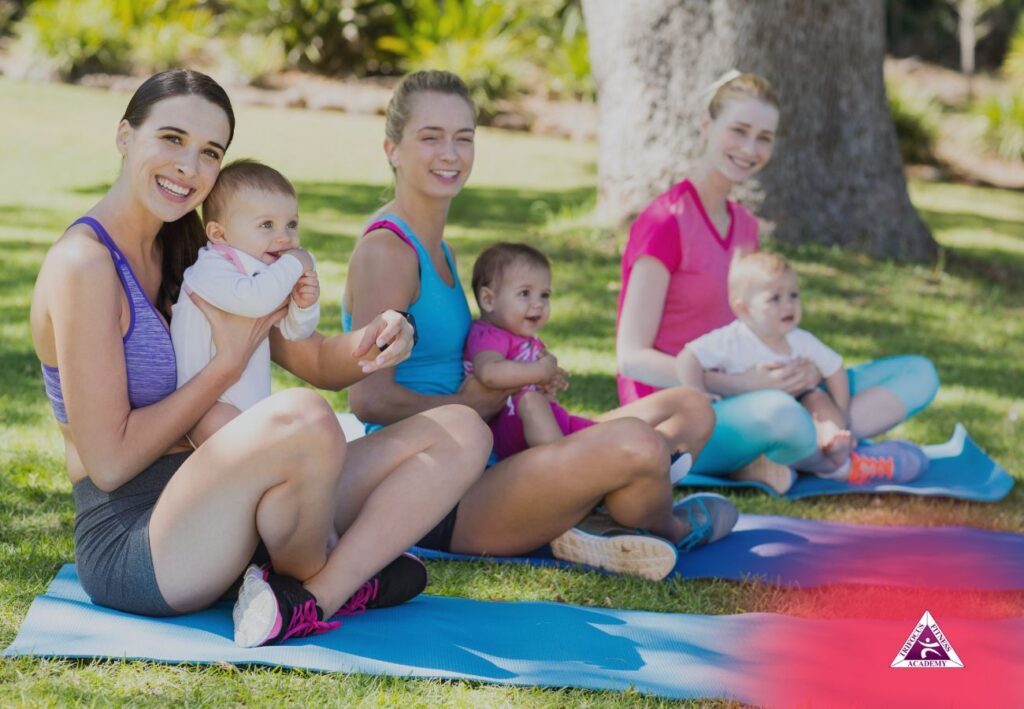
So there you go, and without needing a sitter, most of these classes are baby-friendly. This accessibility reduces barriers to participation and supports the development of a community. It also eliminates obstacles, such as securing child care, that can make postpartum fitness hard to come by.
Safety Guidelines for Prenatal and Postpartum Group Exercise
Both in pregnancy and postpartum recovery, safety is key when it comes to Group Exercise involvement. So, while the merits of exercise are so substantial, they must be accessed with care, intention and with the guidance of qualified professionals.
Specific measures are not up for debate when expecting a baby. Instructors should be certified in prenatal fitness and know variations by trimester. For example, after the first trimester, women should try to avoid exercises that require lying flat on the back, because doing so can compress a central vein and limit blood flow to the baby. They should also avoid high-impact workouts or exercises that strain the core muscles.
Rehydration and thermoregulation are key. Pregnant women need to remain hydrated and avoid becoming overheated—exercise class. There should be adequate airing in Group exercise classes, and rest periods should be provided.
In addition to pre-partum safety protocols, post-partum safety protocols are just as important. Women must get clearance from their doctor before starting or returning to Group Exercise, about six weeks after birth. The timeline for people recovering from C-sections or complications may be longer.
In postpartum classes, the priority should be on breathing, posture, and reconnecting with core and pelvic floor muscles at the start. You can risk a setback and injury by jumping back into hardcore cardio or ab work. Qualified instructors will slowly add intensity as the class feels comfortable and ready.
Communication is essential in both the prenatal and postpartum Group exercise environment. Participating members should be encouraged to express discomfort, exhaustion or experience anything unusual. Teachers are advised to create an environment free of pressure, resting as necessary and celebrating progress at whatever level.
Creating a Supportive Group Exercise Community
One of the most amazing things about Group Exercise for pre- and postnatal is having a non-judgmental, supportive community. These relationships extend beyond the workout to emotional support, peer learning and lifelong friendships.
A properly run Group exercise experience is more than a fitness class—it’s a sisterhood. When women come together with others facing similar transition challenges, they’re more apt to feel comfortable discussing challenges, sharing advice and being seen. This camaraderie can help alleviate fears about motherhood, normalise the peaks and valleys, and even offer advice on babysitting care, sleep schedules and self-care.
Educators have a vital part in this environment. Warm, welcoming leadership helps women feel welcome no matter their fitness level, body shape, or birth experience. Positive reinforcement, laughs, and kindness mean that Group exercise is something you want to come back to.
Facilities or programs can encourage community by providing post-class hangouts, discussion groups or baby-friendly coffee meetups. Waiver: Social time before or after the workout isn’t just valuable for socialising, it also builds relationships that burpees and squats can’t, she says, and it keeps folks coming back to the gym, not just for fitness but for connection.
Digital platforms can enhance the “IRL” (In Real Life) Group Exercise experience. Private groups in apps or social media platforms let people stay connected, share milestones and support each other through hardships. This responsibility and motivation are increasing retention and motivation.
In the end, the power of an Exercise class community is in its compassion. They’re all on their journeys, but collectively, they tell a story of strength, joy and inspiration. For women in the deeply vulnerable months of pregnancy and new motherhood, that kind of support is not merely useful — it’s transformative.
Conclusion
Group Exercise is a fitness tool and an essential support system for women as they move through pregnancy and postpartum recovery. Whether it’s about toning the body or soothing the mind, it provides an all-encompassing solution for moms to feel more powerful, energised, centred and secure every step of the way.
Exercise class during pregnancy helps with circulation, where less than adequate circulation can be a great disservice to an expectant mother, as it could delay labour and delivery, reducing discomfort and preparing the body for delivery. Trainers lead participants through safe, customised workouts to accommodate changing bodies and enhance strength and stamina.
Contact the Trifocus Fitness Academy
The Trifocus Fitness Academy offers specialised online and internationally accredited Group Exercise courses that have been designed to outfit professionals with all of the skills and knowledge needed to find success as a professional Group Exercise Specialist.

Frequently Asked Questions
Yes, Group Exercise is safe during pregnancy when certified prenatal fitness professionals train. These classes are designed for all three trimesters and are based on low-impact movements to improve strength, circulation, posture, and flexibility. Group Exercise supports controlling weight gain, eases aches and pains, e.g backache and conditions the body for labour. It also has vital changes to prevent over-tension and overheating. Please consult with your doctor before starting any exercise routine. However, once you have been given clearance, practising an Exercise class provides emotional and health benefits, while offering a safe space for pregnant women to feel good about moving.
Exercise class is key for postpartum healing—building strength, regaining core stability, and maintaining pelvic floor function. These classes are designed to honour the mechanism of healing in the body and will generally be centred around the breath, alignment, and gentle movements. Group exercise also contributes to mental well-being by eliminating stress and anxiety, producing endorphins, and providing the group with continued support. Exercising with others can motivate and comfort new moms experiencing similar transitions.
The best Group Exercise options during pregnancy are prenatal yoga, water aerobics, Pilates, low-impact strength training and walking groups. These classes are created to help you move better, be more comfortable during pregnancy, and strengthen the muscles in preparation for labour and delivery. Posture and breath control are also emphasised in Group Fitness classes, to help mums cope with the physical changes and to aid in preparation for childbirth. Certified prenatal instructors guide classes using simple movements to modify for each trimester and avoid moves that may be harmful or decrease circulation.
Most women can start Group Exercise around six weeks after having a baby, with a doctor’s clearance. For those who had a C-section or had complications during birth, the timeline may be longer. After approval, postpartum Group Fitness programming should commence with movements that help to reactivate the core and improve the pelvic floor. Certified trainers lead low-impact training specifically designed for healing moms. These classes build strength, increase energy and can decrease symptoms of postpartum depression.
Yes, many postpartum Group Exercise classes are baby-friendly, allowing you to bring your baby. These classes usually have room for baby carriers, mats, and even strollers (beyond arts and crafts, caregivers can bond with their babies while they get crafty). Being able to bring your baby means that you can attend regularly and don’t have to worry about babysitting, and regardless of race, all mothers are welcome!
To ensure a safe and supportive group exercise class for pregnancy or postpartum, seek instructors certified in prenatal and postnatal fitness. Look at community centres in your local area, maternity wellness clinics or websites that have reviews and descriptions of classes. A good program will provide trimester-specific or postnatal modifications, be welcoming and scale the movements so you know how to move within your comfort zone! Plenty of classes can also be taken online for those with a visiting counsellor stopping in only once a month.