
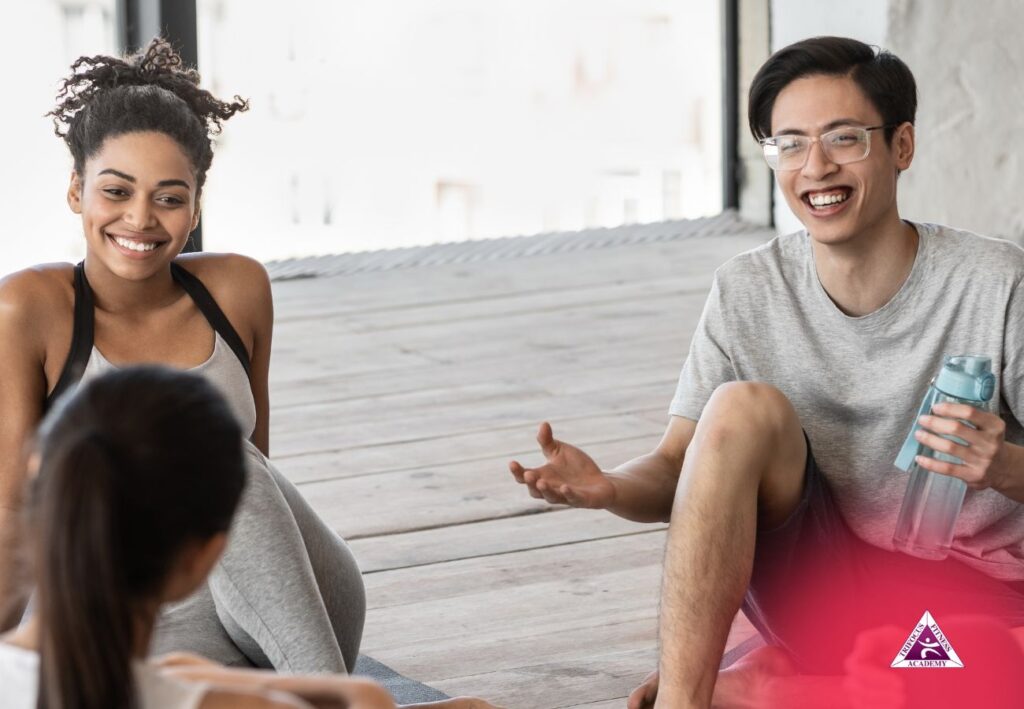
In the health and fitness industry, effective communication is crucial for creating a positive participant experience. Workout is what you see, but communication is the missing element behind everything. Nowhere is this dynamic more apparent than in group exercise classes, where the dynamic between instructors and students can mean the difference between a workout that feels motivating, welcoming and successful, or one that feels confusing and perhaps even uninspiring or demoralising.
Group exercise instruction is not only about directing movement. This includes both verbal and non-verbal communication, as well as feedback and support, and even the overall atmosphere in the classroom. Sympathetic communication motivates individuals, engenders trust, promotes safety and builds community. No matter how carefully planned, a workout can be sabotaged by trying to exercise without mental focus.
Enhancing Motivation Through Effective Communication
Facilitating participant motivation is one of the most crucial functions that communication plays in group exercise classes. It can be tough to stay on track with your fitness goals, and many people find motivation for their workouts in group classes. Effective coaches can motivate members to work harder than they ever thought possible, transforming an ordinary workout into a motivating experience.
Positive reinforcement is sometimes used as a motivational message. A Ridiculously Simple trick, such as “You’ve got this!” or “Great job, keep going!” is suitable for raising confidence and energy levels. These statements are intended to help participants realise that they can accomplish much more than they believed they could.
Tone and delivery also matter. An animated, forthright instructor leads the emotional tempo of the session. There is a contagious intensity in their passion and excitement, keeping you going through the tough parts. In contrast, a lack of energy or poor communication can leave the group’s momentum flat.
Also crucial for motivating students is the use of non-verbal communication, which includes eye contact, gestures and body language. A smile, a nod or jumping into moves for moral support generates a team spirit that encourages people to keep working even when they want to stop.
Furthermore, communication fosters accountability. Trainers who know participants by name or cheer for their progress form a more personal bond, and people feel motivated to come back.
Ensuring Safety and Clarity Through Instruction
In any fitness setting, safety is the top priority, and in group exercise, effective communication is crucial for ensuring that participants can perform exercises properly and avoid injury. Clarity is a significant part of this communication: The better you make your workout plans, the tighter that gap will be between what your participant expects to do and what they could do while working with other people who differ in fitness experience.
Safety is built on the foundation of words. Facilitators need to be able to break down moves using precise language. Step-by-step instructions also mean that participants understand precisely how to perform exercises, from posture and breathing to tempo and level.
Protest is another necessary mode of communication. Visual explanations support oral pedagogy and assist in learning the movements. This diversified approach, which is used when explaining concepts in spoken words and demonstrating them through physical movement, reaches individuals who learn differently and enhances clarity.
Corrective feedback to learners must also be utilised efficiently by instructors. Constructive, supportive language is used to correct improper form, allowing participants to learn and improve without feeling embarrassed or being called out. For example, instead of saying “You’re doing it wrong,” a teacher might say, “Try to keep your shoulders relaxed for better alignment.”
Nonverbal communication, including pointing in a direction, gesturing, or directly demonstrating adaptations, is also a key that works. You enable instructors to lead clients and keep class momentum discreetly.
Fostering Inclusivity and Confidence in Participants
We can start by including everyone in group exercise classes. There is a greater chance that those attending will feel welcomed and accepted and participate fully with enjoyment in such cases. This is where communication comes in; it’s a way to solidify that feeling of inclusiveness and reassure newcomers that they’re capable not only of getting involved but also of engaging wholeheartedly.
Inclusive communication begins with the language of the instructor. By emphasising the “can-do” attitude with supportive language, everyone will feel like they are contributing something of value. For instance, to “How strong you’re becoming” instead of “burning calories.” A bonus is that it shifts the focus from external results to internal progress.
It is also essential to recognise the varying levels of fitness. Trainers who are clear about adaptations offer participants the kind of choices that challenge them at their own level, without judgment. This avoids making you feel that you don’t measure up, while also giving people control over their own workouts.
Inclusiveness is also promoted by interaction with peers. Group workouts can be a great place for encouragement -they often have everyone cheering each other on. This socialising leads to a sense of camaraderie, ensuring that newcomers are not left out and are not too intimidated.
Body language further reinforces inclusivity. Instructors who look into the eyes of class members, smile and engage with people on an individual basis express warmth and caring. These small efforts can make such a massive difference in trust.
Building Community and Connection Through Communication
More than motivation, safety and inclusivity, communication in group exercise classes does something even greater: it builds a sense of community. For players of these programs, group fitness is about more than exercise; it’s their social lives and what gives them a sense of community. For successful travel, communication is the passport to this community.
Teachers led by example, speaking authentically and approachably. Welcoming participants with a genuine smile and handshake, learning their names, and engaging in small talk before or after class are not only icebreakers, but they also help create a friendly atmosphere.
In-studio over coms keeps the community feel, where we can find motivation together. Slogans such as “Let’s do this together” or “We’re in this as a team” function to remind individuals of their membership in a collective endeavour. That collective energy elevates the experience; it helps workouts feel less like an individual’s challenge and more like a group effort, with the same struggles overcome together.
It also fosters community and peer-to-peer communication. Partner tasks, group initiatives, or multiplayer activities help encourage interaction and collaboration among individuals. These bring about opportunities for friends to be made and strengthen commitments to the group.
Outside the studio, communication is conducted through digital media. Beyond Sessions, many fitness communities engage in conversations with one another on social media, apps, or group texts to share updates, celebrate progress, and maintain motivation between sessions. These community channels create the fabric of the community that lives beyond the gym, ensuring long-term engagement.
At the end of the day, communication makes group classes more than just exercise classes; it builds a culture of support. This community feeling promotes participant satisfaction and loyalty, and it helps ensure that members show up for their workouts consistently, which is more conducive to, let’s say, lifelong fitness than occasional care of your body.
Conclusion
Effective communication is key in group exercise classes. And it’s the rock that motivation, security, belonging and community are built on. Even the best-designed workout can fail if you’re not delivering a strong message. Through it, group fitness evolves into something bigger, a life-altering springboard for overall body and mind wellness.
Instructors motivate students to train above and beyond what is standard, boosting both confidence and fortitude. With clear and concise instructions, the workouts are both safe, injury-preventative and effective. Encouraging inclusive language fosters a supportive environment where all participants, regardless of their fitness level and background, feel empowered to believe in themselves and grow.
Contact the Trifocus Fitness Academy
The Trifocus Fitness Academy offers specialised online and internationally accredited Group Exercise courses that have been designed to outfit professionals with all of the skills and knowledge needed to find success as a professional Group Exercise Specialist.

Frequently Asked Questions
In group classes, communication is key, so members can clearly hear instructions and feel included. Unambiguous communication, as opposed to confusion and injury, along with positive reinforcement rather than chaos and fear, increases confidence and effort. It also establishes a safe space for people to engage in at their own pace. In the end, it’s communication that makes up the entirety of a class experience and transforms working out into something comforting, safe and effective enough to keep people motivated to return to group fitness again.
During group exercise, communication is motivated by support, positive reinforcement, and a positive vibe. An enthusiastic instructor, tone, and non-verbal cues encourage exercisers to push themselves harder. A simple “You’ve got this!” or simply addressing an individual by name takes responsibility and raises self-esteem. The power of the group motivates too, because the encouragement you get from others brings everyone together.
Communicating effectively plays a crucial role in ensuring safety during your group exercise. Teachers need to give clear, easy-to-follow instructions and show correct form to reduce the risk of injuries. Constructive-style feedback can facilitate positive adjustments in movements for a learner without giving them a discouraging feeling. Non-verbal signals, e.g. gestures or ‘posture modelling’, are used to support any instructions given. It also offers participants the chance to acknowledge boundaries and utilise modifications when necessary, meaning classes are safe, everyone can be included, and anyone can get a great workout.
Communication promotes inclusivity in group exercise sessions through language that values effort over appearance, and by demonstrating ‘modifications’ for all fitness categories. Supportive verbal and non-verbal signals let participants know that they have been accepted, even though there may not be skilled or regular performers amongst them. This inclusiveness also develops through peer communication as the participants root for one another.
Group exercise fosters community through enhanced communication, effective feedback, teamwork, and shared goals. Warm instructors, who use names and build in dialogue, are inviting. Group challenges, partner activities and motivational sayings like “Let’s do this together” reinforce camaraderie. Conversation also continues outside the studio doors, on social media platforms, where discussions are had through updates and positive affirmations, accompanied by pictures to attach to milestones.
Essential skills for group exercise instructors include clarity, motivation and empathy. Clear communication for participants to interpret movement and safety, complemented by motivational cues to support confidence and energy. Situations where you can empathise with others will equip you to help positively and make it easier for those taking on the task. Good non-verbal communication, tone, gestures and body language support words.