
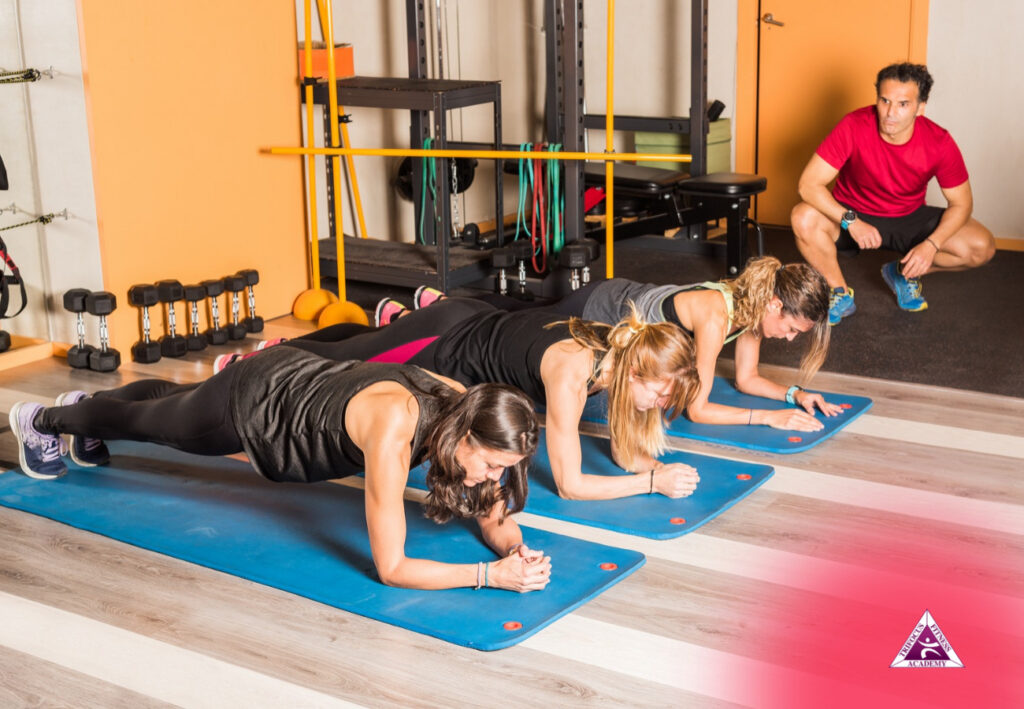
Today, gyms compete on more than just equipment. Users increasingly want variety, guidance, flexible training approaches, and easier access to regular exercise. Group Exercise can address all of the above by offering structured sessions and opportunities for interaction, progression, and increased participation in the gym community. Strength classes, cycling classes, fitness through dance, functional training, mobility classes, circuit training, yoga classes with an emphasis on fitness, and low-impact classes are just a few of the exercise classes available.
This variety allows gyms to appeal to individuals with different interests, talents, schedules, and fitness goals. The benefits of group exercise occur not only during the workout but also afterwards. A 2026 systematic review on adherence in adult group fitness found that perceived capability, social relationships, group identification, and some instructor behaviour were linked to repeated attendance at group classes. However, most evidence remained observational and heterogeneous.
Group Exercise Can Encourage More Consistent Member Participation
A big challenge for gyms is getting people to sign up in the first place, but keeping them coming back after that initial sign-up. Group Exercise can offer extra structure that helps some members sustain participation. A scheduled class removes several decisions independent exercisers have to make. Participants already know when the session will begin and how long it will last, and that a leader will guide them through a workout. This can be especially helpful for members who are unsure how to plan their own exercise programmes.
New evidence suggests that structured group settings may offer benefits. A 2025 systematic review of 39 studies on adults with overweight/obesity assessed interventions to improve adherence and found that group-based programmes and exercise supervised by trained professionals were consistently linked to improved adherence. However, many studies had moderate or high risk of bias.
In 2026, research confirmed that self-efficacy was also one of the most consistently identified factors related to attendance in instructor-led group fitness. Early success, suitable progression, supportive teaching and confidence in surmounting attendance difficulties can therefore be of particular value. Gyms can help by making classes accessible to new participants, not just advanced learners. Less intimidating introductions, well-explained modifications, practical intensities, and instructors who recognise abilities can make the initial sessions less daunting. When members feel capable, consistency grows. Group Exercise can offer a realistic way to move from gym membership to regular exercise habits.
Create Community and a Stronger Sense of Belonging
Most people who train at a gym work out alone most of the time. This is one way to do it, but for others, it may be easier to exercise when social interaction is built in. Group Exercise offers a natural setting where participants are exposed to the same instructors and participants. Over time, familiarity can build. Members start to recognise each other, share experiences from difficult sessions, and participate in a regular class community.
Research shows these social factors are significant. The 2026 systematic review of adult group fitness identified social attraction, group identification, social integration, and supportive instructor behaviours as more consistent predictors of adherence than general measures of social support. This is crucial to remember. People don’t automatically make community just because they are in the same room. Teachers and gym leaders must create an environment where participants feel recognised and comfortable.
Enlist and greet new students, introduce names, discuss class manners, foster respectful interactions, and avoid overly competitive settings. The instructor plays a pivotal role. Their actions affect whether the class feels inclusive, intimidating, supportive, or impersonal. Technical competence matters, but so does the ability to communicate and set the session’s tone. This social element can also help build a gym that’s hard to replicate with equipment alone.
Expand the Gym’s Offering for Different Goals and Experience Levels
A gym membership should serve more than one type of exerciser. Some members want to build strength, others want cardio training, others want mobility, coordination, general fitness, stress management, or just to be more active. Group Exercise enables facilities to offer more training options without everyone having to create a personal training programme. This could include a mix of training groups, intensities, and durations. Members can join classes in the morning if they are going to work, in the afternoon or evening or at the weekend.
Programming diversity also gives members opportunities to try activities they wouldn’t otherwise do. A member who typically works in the cardiovascular area could take resistance-based classes, and another member could bring mobility-based classes into a stronger workout class. However, variety does not mean an unnecessarily complicated timetable. Classes should have clear purposes so members know what each class is about and whether it fits them.
The same class can suit more participants through progressions and modifications. Resistance, speed, impact, range of motion or complexity of the movement may be altered by the instructor, maintaining the structure of the session but varying the parameters. The study also shows that operators see group training becoming more of a commercial service. These results come from a 2026 survey of commercial fitness providers reported by Les Mills and should be viewed in this context: 55% of operators surveyed said they were one of the top growth drivers for their industry.
Skilled Instructors Can Add Value Beyond the Workout
Equipment is paramount, but it can’t “open its arms” to welcome a nervous beginner, explain an unfamiliar movement, offer an alternative exercise, or know when someone is struggling to follow a session. Master instructors can thus play a significant role in the entire Group Exercise experience. Quality teachers are structured and guided. They demonstrate movements, explain transitions, regulate energy levels in class, provide adaptations, track participants, and set the tone so students put in the right amount of effort without encouraging inappropriate competition.
They can also boost members’ confidence. A first-time gym participant usually doesn’t know how to perform the movements correctly and may need time to get used to them. Research reflects the influence of instructors. A 2026 systematic review of adult group fitness found that selected instructor behaviours or the motivational climate of classes correlated with attendance, but findings varied across studies.
This does not mean instructors should be recruited to lead movements to music. Communication skills, technical knowledge, professional boundaries, adaptability, and managing a mixed-ability group are important. Continuing professional development is also crucial. Classes change, member expectations change; instructors must keep up with the latest knowledge of exercise technique, modifications, safety and programming.
Conclusion
Group exercise can be a significant part of the gym experience beyond equipment use. For members who don’t know how to work out alone, structured classes can make it easier to get started. Scheduled sessions, clear programming, instructor guidance, and realistic progressions can support consistent participation. Another possible benefit is the social environment provided. Recent studies indicate that a sense of competency, group identity, social interaction and specific instructor behaviours may influence continued participation in adult group fitness classes. Classes also give gyms an opportunity to expand their programs.
Contact the Trifocus Fitness Academy
The Trifocus Fitness Academy offers specialised online and internationally accredited Group Exercise courses that have been designed to outfit professionals with all of the skills and knowledge needed to find success as a professional Group Exercise Specialist.

Frequently Asked Questions
Group Exercise provides structured exercise, expert instruction, more variety, and social interaction. These tips can make the gym experience more fun and encourage participation.
Classes provide routine, familiarity and accountability. Members who feel comfortable with the instructors and others attending may also get a better sense of belonging, which might lead them to attend more in the future.
Group Exercise instructors can vary resistance, impact, range of motion, speed, and complexity. This lets students with different experience levels attend the same class and work at a comfortable level.
Experienced teachers demonstrate, cue, modify, motivate, and help participants monitor their progress. They also help build a welcoming culture where everyone feels safe trying new movements and engaging at a comfortable level.
Group Exercise involves coming together regularly, which allows for familiarity and socialisation. A friendly teacher and class setting can help members feel part of the centre and each other.
No, classes can be supplemented by self-guided training. A balanced gym can offer both teacher-led classes and training spaces, allowing users to choose the training method that best fits their tastes.