
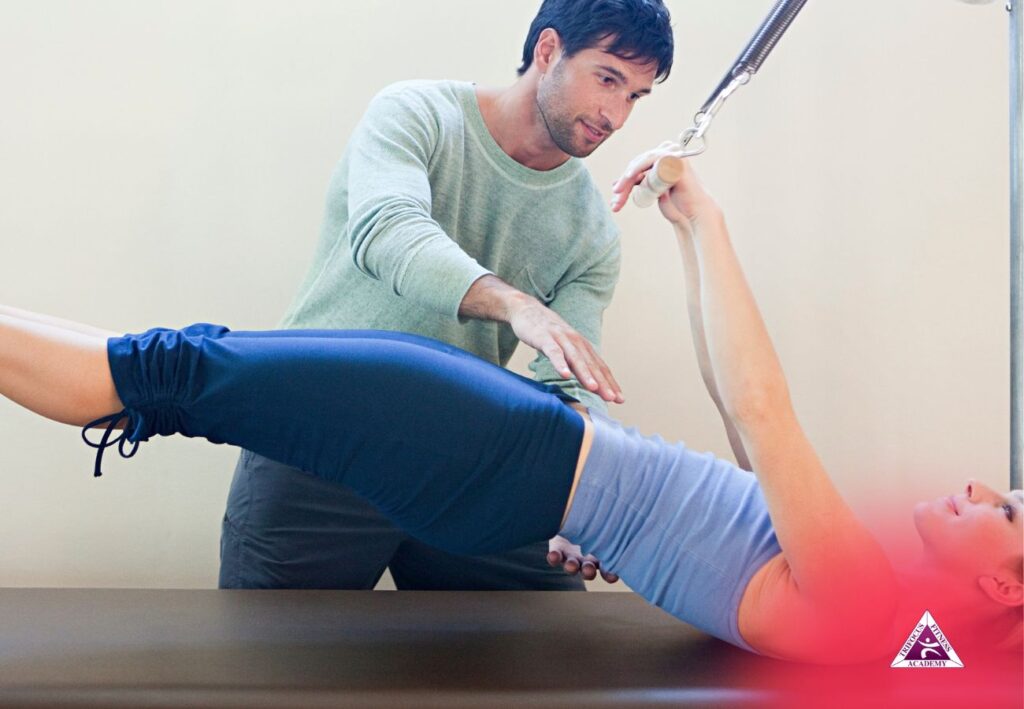
Pilates is known for its strength, flexibility, and alignment benefits, which are great for the body, but it’s also an incredibly versatile practice that can optimise injury prevention. For those injured or dealing with chronic illnesses, Pilates provides a safe and controlled environment in which to move, helping the body heal. The secret is knowing how to modify the moves while keeping them accurate in form.
A modification in a Pilates exercise does not mean making it less challenging. It’s by making it more intelligent and more attuned to what your body requires at any given time. Preventing injuries in Pilates starts with body awareness. By understanding how to move more effectively and align correctly, students can minimise the strain on their joints, muscles and connective tissue. With precise Pilates movements and targeted modifications, you can protect vulnerable areas from further abuse while still providing a demanding workout.
Understanding Your Body and Common Risk Areas
The first step in modifying any Pilates exercise is building awareness of your own body and limitations. Each of us has different movement patterns, tight areas, and structural imbalances. These distinctions can affect how some Pilates exercises are performed and where there may be potential injury risks. (For instance, people with tight hip flexors might cheat in abdominal work; those with shoulder instability may strain while doing weight-bearing arm exercises.)
It’s essential to identify those risk areas, such as the lower back, neck, shoulders and knees. These areas are prone to strain when done inaccurately or uncontrollably during exercises. For example, if the pelvis is not aligned properly during a bridge, there may be too much pressure on the lumbar spine. The reverse is also true; if you stretch the neck too far, tension and pain in the neck region can result from abdominal curl exercise.
To avoid these problems, the focus must be on awareness more than intensity. Slowing down and tuning in to how your body responds in each movement can help determine where you might need extra support or adjustment. Our breath, core engagement and neutral spine are key aspects that we need to integrate when practising, so these same principles must be applied in a more controlled way. The more you know about your body and where it’s susceptible, the better prepared you are to adjust intelligently and not fall into common traps that lead to injury.”
Adapting Pilates Equipment and Props for Support
One of Pilates’ strongest foundations is that props and apparatus can be used to facilitate movement or deepen an exercise. From the Reformer and Cadillac to smaller props like the Magic Circle, foam roller, or resistance band, your equipment can help adapt exercises for injury prevention. If used properly, they enable the student to decompress the body in those delicate areas, to stay aligned and develop strength at a pace more suited to the individual.
For instance, when lifting the legs, supporting the lower back by placing a foam roller beneath the pelvis can help promote stability. The resistance band can guide the shoulder range of motion during shoulder exercises, preventing strain and protecting against unsafe movement patterns. Props may serve to modify the intensity of a workout: they can be used for support to ensure safety and further enable the individual to experience “load” in a more global yet still safe way.
Bigger Pilates machines, such as the Reformer, have springs that provide resistance and allow for customisation of that resistance. This results in minimal impact and controlled resistance, which can be helpful for those rehabbing an injury or suffering from chronic joint pain. By adjusting the tension of the springs and body positioning, exercises can be ‘graded’ to help in gradually building strength without irritation.
You’re not trying if you aren’t using props and equipment. It’s not denial; it’s preventing Pilates wannabes from wasting time. These tools allow practitioners to move forward confidently and lay the foundation for a more sustainable practice focused on long-term health.
Listening to Your Body and Knowing When to Modify
The skill of listening to your body is key to injury prevention in Pilates. If something feels uncomfortable, strained or tired where you didn’t expect it to when performing an exercise, it may be a sign that you need to adjust your technique. Too many people power through moves, thinking that more is better. In Pilates, however, it is always about quality, not quantity.
The first step to knowing when to adjust is recognising the red flags. If sharp pain, joint pain, or a feeling of being off-balance is present, it means the movement isn’t being performed safely. It is essential to stop, not push through. Modifications can be as minor as decreasing the range, slowing down the tempo, or using supportive help from a prop.
To listen is also to acknowledge your energy, how much physical stress you’re carrying, and perhaps even your emotional state. When both your body and mind are tired or more susceptible, modifications can help you preserve the integrity of your regular exercise without overexerting yourself to the point of injury. This is a way to achieve longevity and avoid falls related to overtraining.
In the end, body intuition is a skill that you learn over time with practice and attention. When you tune in and practice Pilates, accommodating to what your body is asking for, you develop a more intelligent and injury-proof way of training. Not only does this avoid harming, but it also increases efficacy and power.
Working with a Qualified Instructor for Personalised Modifications
Self-awareness is crucial, but working with an experienced Pilates exercise instructor helps you take your injury prevention to the next level. Qualified instructors have learned to observe how you move, cue into malalignments, and help prescribe changes that align with your objectives and your body. Their advice can help you avoid the mistakes beginners often make and guide your progress safely.
During a private class, the teacher can even submit your form and provide flexibility in real time. They can recommend tweaks you haven’t thought about and show you how to use them universally. “If, for instance, you’re feeling knee pain in a lunge or squat position, an instructor can guide your alignment or modify it and add supportive props to release pressure,” she added.
In group classes, teachers will often present options for varying levels of ability and fitness. Listening to your body and picking the one that resonates best with you makes for a safer experience. Feel free to let your instructor know if you have any past injuries or questions. This data enables them spic up the workout in a much more targeted way.
Supported exercise creates instant progress for those who lack confidence in zero gravity, especially for new users or patients with prior injuries. It also promotes a deeper understanding of one’s body and how to modify exercise movements, so they are healing rather than injuring. The long game: working with a professional helps make your Pilates journey not just effective but also sustainable and injury-free in the long run.
Conclusion
Pilates can create an incredibly healthy, strong body when done with purpose and mindfulness. As Pilates exercises are based on the philosophy that they can be easily modified to suit participants, they are both accessible and applicable, no matter your age or fitness level. When it comes to avoiding injury, the goal is not necessarily less work but rather doing what allows your body to perform optimally. With dedicated practice, thoughtful modifications, and appropriate support, Pilates becomes a safe place to build strength, flexibility, and control.
You listen to your body, use props for support, watch for internal signs, and keep the Q&A open with certified teachers to forge a safe way forward that keeps you on the low end of risk. Changes are not restrictions; they’re tricks up your sleeve that help you to do better. Adopting this perspective allows your Pilates method to grow with you, responding to evolving needs and challenges.
Contact Trifocus Fitness Academy
Explore the rewarding path of becoming a certified Pilates Instructor. Unleash your potential and inspire others on your journey with Trifocus Fitness Academy’s comprehensive Pilates Instructor program.

Frequently Asked Questions
Pilates exercise modification is significant for injury prevention, as it allows you to adapt movements to your own body. It keeps the body in alignment and well-supported – easing uncomfortable pressure on your lower back, knees, and shoulders. Adjusting exercises preserves the integrity of a workout by making it safe and effective. It also allows individuals recovering from injury or ongoing back pain to engage in an exercise program without exacerbating their condition.
There are several indicators that you may need to modify a Pilates exercise. If you get stabbing pain while moving, feel uncomfortable in your joints, or feel tense in places that should feel loose, it’s time for interpretation. Weak or strong one-sided activation, constant imbalance, improper muscle use, and dissatisfaction with the quality of the form can also indicate the need for adjustments. And other signs are getting really tired too early in the set, overworking one side of your body, and not breathing well when you do.
Pilates exercise props, such as foam rollers, resistance bands, and Magic Circles, enhance the safety and effectiveness of the exercises. These aids provide stability, joint unweighting, and guidance for proper alignment. For instance, a foam roller under the spine during core exercises, or a resistance band arced around the pressing path, prevents overextension. Props enable you to work in a more relaxed way with less effort and greater effectiveness, which is perfect for recovering from an injury or preventing one.
Beginners may be able to modify Pilates exercises for themselves; however, working with a certified instructor is recommended, especially when injury prevention is a goal. Teachers of teachers offer expert instruction in form, alignment and proper prop usage. They can recognise movement patterns that can lead to injury and provide safer alternatives. Listening to your body and practising with props is supportive, but professional oversight will help make those modifications work for you.
Body sense is the bedrock of injury prevention in Pilates. It’s about being present with every single move and sensation your body feels during each exercise. Keeping in mind alignment, engagement, and breath patterns helps catch early signs of overstraining or misalignment. This internal feedback system enables you to make easy changes or corrections, reducing any risk of injury. Increased body awareness also enhances the mind-body connection, which is crucial for executing Pilates moves with control and intention.
Absolutely. In fact, when you modify Pilates exercises based on how you are feeling today, it is a smart way to protect yourself. Physical conditions, energy levels, and mental stress change to some extent throughout life, and your yoga should address them accordingly. On some days, you might feel strong and flexible, while on others, your body could use a little help. Adjusting things so it’s more consistent without getting injured.