
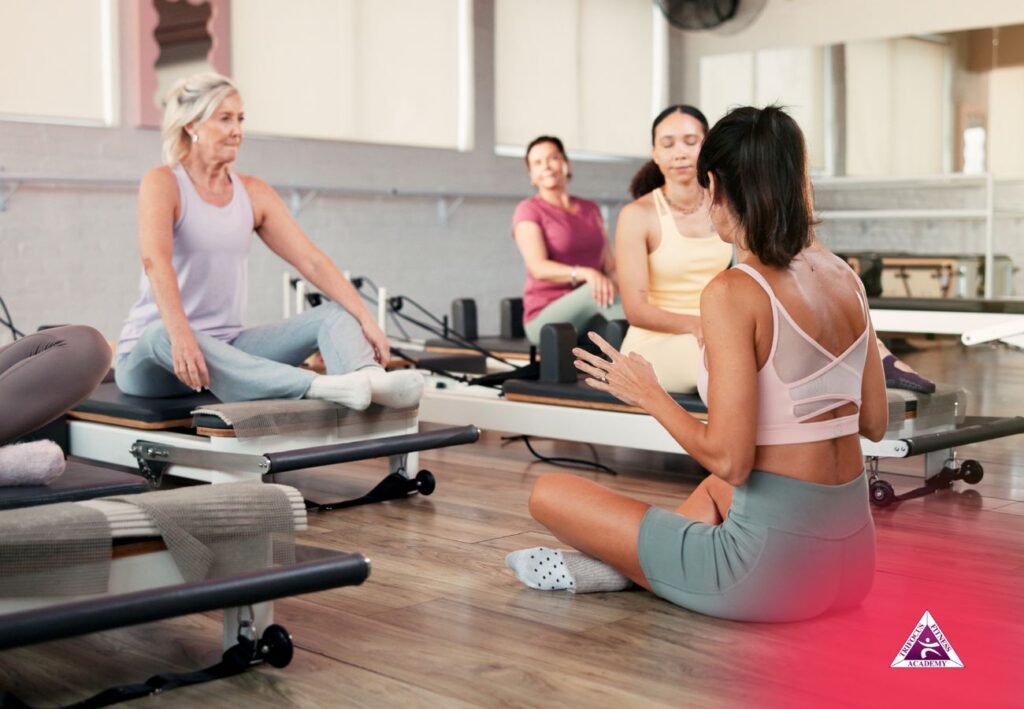
Pilates is known to enhance strength, flexibility, posture, balance and body awareness! Pilates differs from many exercises that are based around repetitions and intensity, as it is about precision, control and alignment. Proper alignment is the basis of all Pilates movements, enabling the body to perform efficiently, with less strain on muscles and joints. Many beginners, and even some advanced players, misalign during exercises, which can slow progress and cause discomfort or pain.
Pilates alignment is the ability to keep the body in the best position during every exercise. This involves correct posture, correct pelvic and shoulder positions, breathing, and controlled muscle engagement. Making subtle changes in these areas can improve exercise effectiveness and movement quality. Many alignment errors are due to poor posture, muscle imbalance, lack of flexibility or lack of body awareness. Fortunately, these errors can be fixed with conscious practice, careful training and attentive focus on technique.
Common Pilates Alignment Mistakes
A common error made by Pilates aligners is to displace the spine from its natural alignment during exercises. Some people exaggerate the curve of the lower back; others may completely flatten it out. Both jobs can weaken the core and unnecessarily stress the spine. Another common error is poor shoulder position. During movement, many people unconsciously raise or tense their shoulders, especially when performing arm movements. This tension can minimise neck mobility and position the work away from targeted muscle groups.
Another key aspect of Pilates is pelvic alignment. Excessive anterior or posterior pelvic tilt may compromise spinal stability and hinder efficient movement. Having a neutral pelvis provides a stable base for many of the Pilates moves. Another common problem is incorrect positioning of the head and neck. Staring or tucking the chin too high can cause undue tension and impact body alignment.
Many practitioners also jump through exercises too quickly. Pilates is not about speed but about controlled, precise movements. When a student rushes, they usually perform poorly and have suboptimal muscle activation. Airway issues may contribute to misalignment. Shallow breathing and breath holding can cause tension and disrupt control of movement. Being aware of these typical errors is an essential first step to enhancing alignment and making Pilates safe and efficient.
How Proper Alignment Improves Pilates Performance
All Pilates exercises must be performed correctly to receive the full benefit. As the body moves into alignment, the muscles function more efficiently, and each movement is smoother, stronger and more controlled. The main advantage of proper alignment is better core activation. Correct positioning will encourage the deep abdominal and spinal stabilising muscles to work throughout the exercise. This support helps maintain back stability and improve balance and coordination.
Good alignment also helps achieve better posture. Many Pilates exercises build muscles which allow people to hold their bodies upright. Over time, better posture can also prevent tense muscles and help maintain healthier movement patterns in everyday life. The other benefit of joint protection is important as well. Correct alignment will help distribute the load more evenly across the body, preventing excessive pressure on the knees, hips, shoulders, and spine. This is a balanced loading that will reduce the risk of overuse injuries.
Alignment also helps create flexibility, as muscles are encouraged to lengthen properly during movement. Balanced muscle activation increases ROM without compromising joint stability. Another benefit of proper posture is better breathing. An open chest and stable rib position enable the diaphragm to function more effectively, enhancing movement quality and endurance.
Practical Strategies to Correct Pilates Alignment Mistakes
The first step in removing the alignment errors in Pilates is to increase body awareness. Slower exercise speeds enable the person to concentrate on proper posture, breathing, and muscle activation through the exercise rather than just doing the repetitions. One of the best ways to work on alignment is to have a qualified Pilates instructor. Professional coaching helps pinpoint small movement mistakes and provide individual corrections that the practitioner may not notice.
Mirrors can also help to enhance body awareness. Visual feedback enables practitioners to see posture, shoulder placement, spine alignment and how the movement is working during exercise. A focus on breathing should be carried throughout the Pilates class. Breath coordination will help keep the core stable, avoid tension in other areas, and control the exercises. It’s also crucial to perform basic exercises before moving on to more complex ones. The simple principles of alignment provide a solid foundation for a safe, more advanced Pilates routine.
Other flexibility and mobility activities can also help correct alignment issues caused by underlying restrictions. Tight muscles can be stretched, and weaker areas can be strengthened to restore muscle balance. During the correction process, being patient is key. Improvements in alignment are likely to occur slowly as strength, flexibility and body awareness grow with time. With emphasis on technique, individuals can cultivate healthier movements beyond the Pilates class and into their daily lives.
Maintaining Good Alignment Beyond the Pilates Studio
The advantages of good Pilates alignment are even more pronounced than with formal exercise sessions. Correct alignment can positively impact how you move, how well you balance, how you sit and stand, and how you feel physically in daily life. Sitting for long hours at the desk, driving, or using electronic devices. These exercises can promote poor posture, rounded shoulders, and forward head posture. These are typical postural problems that can be reduced by applying the Principles of Pilates during everyday tasks.
Pilates awareness can also benefit the standing posture. Keeping body weight evenly distributed and shoulders loose, along with soft yet strong core control, promotes smooth, effective motion and minimises unnecessary tension. Improved alignment also helps lift common items. Using good body mechanics, engaging the core, and maintaining spinal stability can reduce lower back strain during housework and other work activities.
Walking efficiency may also be enhanced. Improved posture, core stability, and balanced muscle use are associated with smoother, more coordinated movement patterns and reduced fatigue. Progress is monitored through regular self-assessment. Checking posture, breathing and body positioning throughout the day will reinforce this practice during Pilates sessions. The key to improvement is consistency. The more efficiently one moves with the Pilates alignment principles in real life, the more natural they become. Proper posture both in and out of the studio enhances long-term physical well-being and mobility.
Conclusion
One of the most important principles of Pilates exercises is alignment, a key component of safe, effective, and efficient movement. Although alignment errors are common, they can be corrected by being more aware, making better choices, and staying consistent with practice. When exercises are not performed correctly, such as when the spine is positioned incorrectly, the shoulders are tight, the pelvis is out of alignment, the exercise is rushed, or breathing is not done properly, the exercise may not be as effective as it can be and could result in physical strain.
When practitioners overcome these challenges, they can truly enjoy the best of Pilates Exercises. Correct alignment promotes better core strength, posture, flexibility, balance, breathing and joint protection; it facilitates healthier movement patterns throughout daily life activities. These benefits are not just seen during exercise sessions; they also have a long-term effect on your physical wellbeing.
Contact Trifocus Fitness Academy
Explore the rewarding path of becoming a certified Pilates Instructor. Unleash your potential and inspire others on your journey with Trifocus Fitness Academy’s comprehensive Pilates Instructor program.

Frequently Asked Questions
Correct alignment means that Pilates targets the right muscles rather than the wrong ones and minimises stress on the joints and spine. By using good technique, you will get the most out of every session whilst reducing the risk of discomfort or injury and enhancing balance, posture, core activation, and movement efficiency.
Yes. When incorrectly aligned, muscles are unable to function as efficiently as they should, and can lead to other muscles compensating unnecessarily. Correct exercise form will ensure exercises are performed safely and effectively, increasing strength, flexibility, coordination, and stability.
For beginners, the basics, slow practice, qualified instruction and attention to posture and breath can help improve alignment. It is important to build body awareness and develop safe, effective movement patterns by mastering basic Pilates exercises before progressing to more advanced movements.
Absolutely. Pilates exercises build the body muscles that maintain good body posture and enhance flexibility and body awareness. Many people find that, with regular practice, they have improved posture, are less tense in their muscles, and are more comfortable in their daily activities and movements.
Mirrors can help check alignment and body position when performing Pilates exercises and for pinpointing any incorrect positions. Visual stimuli help reinforce appropriate body positioning, shoulder width, spinal alignment, and movement quality, especially for beginners who may lack body awareness.
It can take a while, depending on consistency, technique and fitness. After weeks of consistent Pilates practice, many people report that their body awareness, balance and posture improve. Practice will help maintain good positioning and contribute to long-term, effective, and healthy movement.