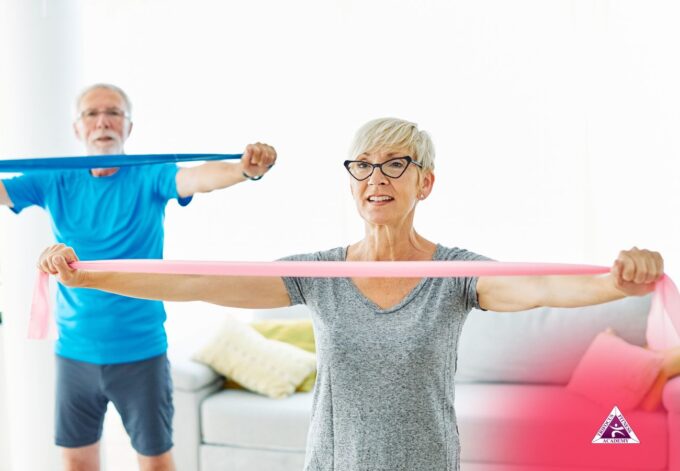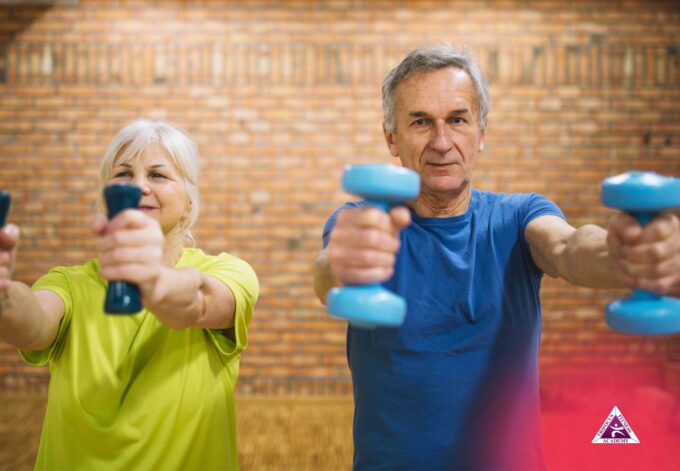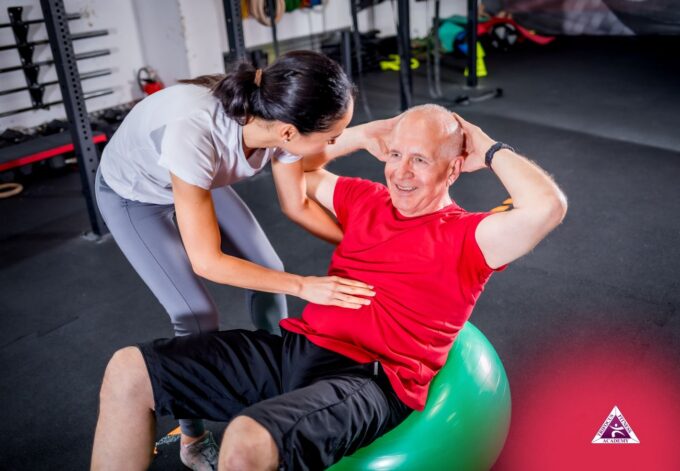
Exercise is important for good health, quality of life, and the prevention of chronic disease. But not everyone needs the same fitness, has the same fitness capabilities, or has the same fitness health issues. Older adults, pregnant women, people with disabilities, those with chronic health conditions, youth with specific developmental…
Read MoreSpecial Populations Blog
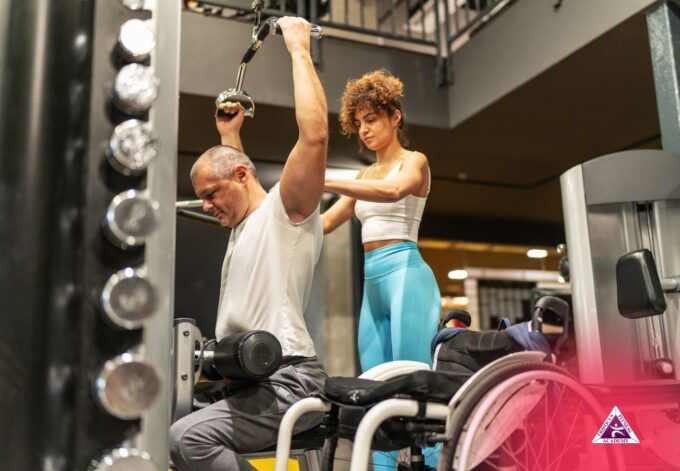
Mobility, which encompasses movement, balance, flexibility, independence, and quality of life, is an important aspect of physical health. Mobility is important for people in special populations because of physical limitations, medical conditions, injuries, ageing, or chronic health issues. Being unable to move easily can affect every aspect of life, make…
Read MoreExercise is an important part of enhancing physical health, mobility, strength, mental well-being, and overall quality of life. But not all exercise programs are appropriate for everyone. Individuals with medical conditions, injuries, physical restrictions, chronic diseases, pregnancy, or age-related restrictions may need to make fitness modifications to help ensure safety…
Read MoreThe older people get, the more critical it is to stay active and maintain strength, mobility and independence. However, many older adults are hesitant to join gyms or engage in high-impact exercise routines. The good news is that seniors can get excellent results with basic equipment, such as resistance bands,…
Read MoreFlexibility decreases with age, which can make it more challenging for seniors to move around freely and without discomfort. If your joints feel tight or stiff, or if you have a decreased range of motion or muscle tightness, you are likely experiencing an impairment in function when trying to reach…
Read MoreCardiovascular activity is a great way to keep your heart in shape, improve blood flow and increase positive feelings of well-being at any age. For seniors, staying active can be the difference between independence, mobility and vitality or being confined to a walker or wheelchair. But high-impact workouts, or exercises…
Read MorePain in the joints is a common experience for many older adults, often resulting from arthritis, osteoporosis, and the natural wear and tear of ageing. Stiffness, swelling and pain can all serve as dampeners on movement and keep many of us from being more active. However, the problem can be…
Read MoreAs we grow older, preserving our strength and staying mobile becomes ever more vital. Muscle atrophy, a natural function of ageing known as sarcopenia, can lead to decreased independence, balance problems, and an increased risk of falls. For older adults, the challenge of ageing and finding ways to slow down…
Read MoreComprehensive strength training programmes for individual sports are “periodised” in order to provide a progressive as well as an interactive training programme. The term ‘periodisation’ means that the programmes are broken up into three or four phases during a 12-month cycle with each phase concentrating on a specific area of…
Read MoreWe need vitamins and minerals to grow, to see properly, to make bones, muscles and organs, and to battle infections. If we don’t get enough of all the vitamins and minerals, it can lead to serious problems. Vitamins and minerals are vital for healthy growth as well as development in…
Read MorePhysical activity has been found to enhance immunity in general, however, exercise specifically before or after a vaccination could increase the success of vaccination as exercise circulates cell numbers and, as a result, there are specific increases in a particular number of subsets. Immune messenger proteins are released by working…
Read More“Exercise is almost always good for people of any age,” says Chhanda Dutta of the National institute of ageing. Exercise in old age means the retention of functional fitness, increased strength, prevention of bone loss, the boosting of memory and even easing of symptoms of chronic conditions. A good personal…
Read More