
In modern sports coaching, success no longer rests solely on the expertise of the head coach. Instead, a collaborative, interdisciplinary approach has become essential for maximising athlete performance, preventing injuries, and promoting long-term development. The management of sports today is dependent on the synergistic interplay between head coaches, strength coaches, physiotherapists, and other specialised personnel offering specialised care in looking after athletes.
Through collaboration, these professionals help develop a wide-reaching, full-circle ecosystem where athletes are mindfully leveraging themselves to the best of their ability. To create both acclaimed and successful athletes, those racing against you to be first, coaches must bring these fields together – failure to do so would result in a mixup of miscommunication, a higher risk of injury, and missed opportunities for your athletes to excel.
The Evolving Role of Collaboration in Sports Coaching
The old coaching model tended to be one in which the head coaches did everything, with very little help in the athlete development department. As the development of sports science and injury prevention strategies has progressed, the requirement for Sports training professionals to work with specialist support staff has become unquestionable.
Strength and conditioning coaches are an essential link in creating and applying exercise strategies to help enhance physical performance while minimising the likelihood of injury. Their knowledge in biomechanics, load management, and periodisation is a good combination for the technical and tactical approach of sports coaching.
When multi-sport Sports training and strength coaching are on the same page, athletes are provided with comprehensive training that improves the way their sports skills develop, as well as the way their body is prepared.
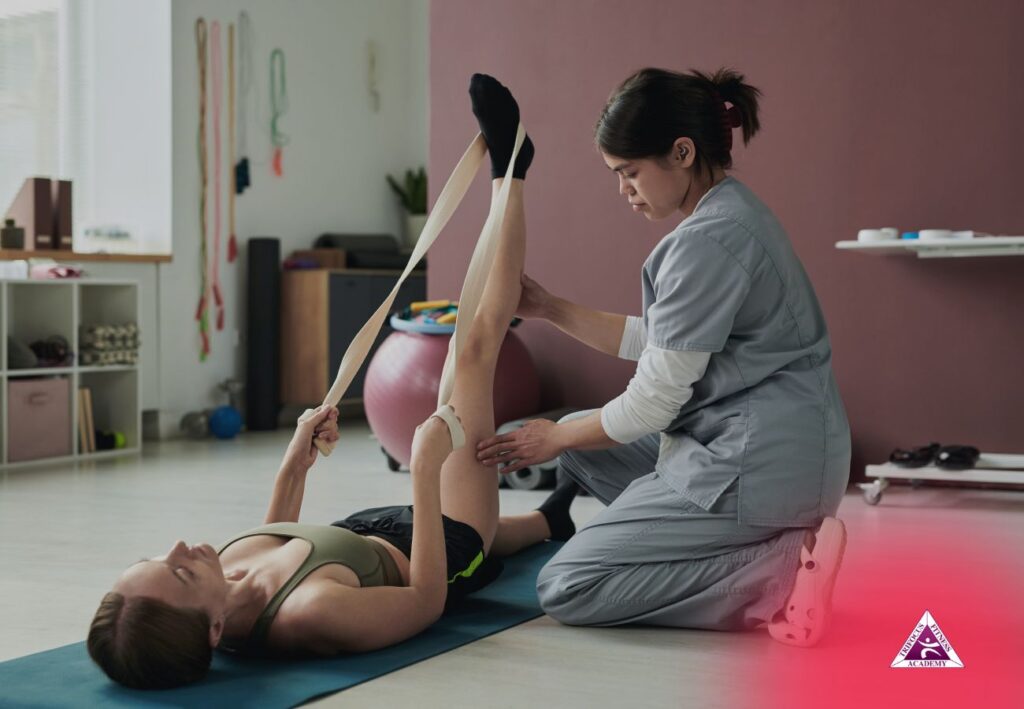
Physiotherapists also provide knowledge and skills in injury prevention, rehabilitation, and movement re-education within the sports coaching setting. Observations of muscular imbalances, aberrant movement patterns, and overuse can be detected early by physiotherapists and corrected promptly.
Given the close working relationship between physiotherapists and sports coaches, the latter may be allowed to modify training programmes to meet the postoperative needs and decrease the risk of chronic injury development.
The changing face of shared practice between publishers, editors, and illustrators in Sports Coaching can now be seen in more than just injury prevention and conditioning. If we look at support, staff help us manage the athlete’s readiness, recovery, and nutrition, and bring to light mental health issues. Therapists and other staff can also assist us in our work by providing data. This team approach to care contributes to longevity and high-level performance with consistent results for all participants.
The ability to work well together also strengthens communication among staff, coaches, and parents, fostering a cohesive team culture. When athletes know their coach and support team are collaborating in their best interest, they also have greater trust and confidence.
The Key Functions of Strength Coaches and Physiotherapists in Sports Coaching
To truly understand the importance of teamwork, strength and conditioning coaches need a clear understanding of how they and physiotherapists are integral to the athletic development process.
Strength Coaches:
Strength coaches create and manage sport-specific strength and conditioning programs, customised to the individual and sport involved. Technical skills are no substitute for physical conditioning in sports coaching, and strength coaches ensure that athletes attain the power, endurance, agility, and flexibility required to perform effectively. They focus on:
- Enhancing sport-specific strength and power.
- How to design periodised training cycles to manage workload and recovery.
- Controlling the training load to prevent fatigue and overtraining.
- Improving mobility, flexibility, and stability to help create movement efficiency.
- Including injury prevention exercises that directly relate to the sports and their established weaknesses.
Strength coaches also frequently communicate with the head coaches throughout the year to match the context of physical conditioning with the practice needs of each sport. Incorporated into sports coaching, their programs enhance athletic performance and reduce the risk of injury.
Physiotherapists:
Sports coaching physiotherapists play a crucial role in preventing athlete health issues and treating not only injuries but also promoting recovery and rehabilitation. Their expertise includes:
- Injury screening and musculoskeletal diagnosis.
- Designing personalised rehabilitation regimens for the wounded athlete.
- Monitoring the level of recovery and making recommendations for safe return to play.
- Identifying and correcting movement dysfunctions through exercise.
- Teaching athletes ways to prevent injury and how to care for themselves.
Physiotherapists relay the limitations to head coaches and strength coaches, and Sports training practitioners can adjust the load and reduce the risk of injury. Their work ensures that players are fit and able to meet the demands of competition as they progress through an injury rehabilitation program.
When there is effective collaboration among strength and conditioning coaches, physiotherapists, and head coaches, it creates a supportive and comprehensive system that addresses each aspect of an athlete’s performance within the framework of sports coaching.
Strategies for Effective Collaboration in Sports Coaching
The advantages of sharing sports coaches, strength coaches, and physiotherapists are obvious. However, they are not without their challenges, suggesting that deliberate strategies are required to underpin effective communication, respect, and common goals.
Set Up Crystal Clear Communication Paths:
Coaches should develop accountability systems, both formal (e.g., weekly meetings to review progress) and informal (e.g., use of shared digital platforms), to facilitate open communication between staff about athletes’ progress, injury status, and modifications to training plans. Open and candid communication reduces the chances of misunderstandings and keeps everyone informed about their collective goals.
Specify Roles and Responsibilities:
If each profession has clear boundaries around its role in sport coaching, overlap should be minimised, and collaboration should be enhanced. Head Coaches implement tactical and technical plans, Strength Coaches train for physical preparation, and Physiotherapists assist with both injury prevention and rehabilitation. Taking the time to discuss these boundaries encourages cooperation while ensuring accountability.
Share Athlete Data and Evaluations:
The implementation of athlete monitoring systems enables professional sports coaching teams to track key performance measures collectively. Facilitating the discussion and exchange of information (eg, workload, movement screening and injury reports) among staff informed decisions about training loads, rest periods and changes.
Formulate Joint Performance Plans:
It is assumed that the cooperation of Sports Coaching teams is associated with their joint planning, which considers technical, tactical, physical, and medical aspects. The development of a long-term competitive plan prevents the athlete from being “pulled” in conflicting directions (i.e., preparation for and performance at competitions, recovery following competitions, etc.).
Instil a Team-First Culture:
Coaches in sport, as leaders, are encouraged to create a culture where all support staff feel valued, respected, and confident in imparting their knowledge. Noticing strength coaches and physios more often does wonders for the team, promoting open teamwork and collaboration.
Utilising these collaboration strategies, Sports training teams can develop integrated, multidisciplinary support networks that maximise athlete care and team effectiveness.
The Long-Term Benefits of Interdisciplinary Coordination in Sports Coaching
The potential long-term benefits of sound collaboration between sport coaches, strength and conditioning professionals, and physiotherapists are substantial and extend beyond just the success of youth athletes and programs.
Better Athlete Performance: It can help develop power, strength, speed, endurance, mobility, agility, coordination, balance and control with integrated approaches to training leading to; healthier athletes (less prone to injuries and more durably resilient), better physical performance (jumping, sprinting, throwing, upper body, lower body strength etc.), better technical skills (faster, more powerful), better tactical execution. Planned workouts show you how to work out hard without avoiding easy workouts, and address weaknesses to help reduce your risk of injury.
Lower Rate of Injury: Physiotherapy and strength coaching experts in Sports training are also effective at identifying movement faults, muscular imbalances, as well as early signs of overuse. Early identification and intervention can reduce the incidence of acute and chronic injuries, resulting in healthier athletes and increased participation in competition.
Quick Return to Play: The integration of a physiotherapy clinic with sport coaching staff enables injured athletes to access safe and uniform rehabilitation programs. Return-to-sports conditioning is a crucial aspect of a strength coach’s role in helping athletes safely and effectively return to play.
Extended Athletic Life: Coaches and support staff ensure excellent health and athlete development for years to come. The combination of balanced training loads, regular evaluations, and individualised support can help decrease the physical and psychological costs of high-level competition.
Increased Team Camaraderie and Morale: As a player, knowing that your coaches and trainers are working together promotes trust, confidence, and security. Athletes feel valued and supported, with increased motivation, engagement and wellbeing.
Long-term, coordinated sports coaching models lead to a culture of excellence, resilience, and innovation for players, coaches, and organisations alike.
Conclusion
In today’s world of competitive sport, the achievements of athletes and teams are built upon more than just tactical coaching and physical training. Qualified sports coaching needs to be a multidisciplinary and collaborative ” co-vision “skill, which might add value to the exclusive knowledge of strength coaches, physiotherapists, and other members of support staff, rather than simply coaching and teaching one sport alone. When these practitioners collaborate, they establish a model of athlete care that covers all aspects of performance, health, and development.
Sports training practitioners embrace structured communication, delineate roles purposefully, share information, and develop a sharing, team-based culture, thus enabling athletes to correctly interpret and understand the individualised support they need to maintain success over time. This is a relationship-based approach that not only improves and reduces injuries but also leads to better relationships, athlete fulfilment, and long-term development.
Contact the Trifocus Fitness Academy
The Trifocus Fitness Academy offers specialised online and internationally accredited sports conditioning courses designed to equip professionals with all the skills and knowledge needed to succeed as a professional conditioning coach.

Frequently Asked Questions
Team dynamics are vital in Sports training, as positive relationships have a direct effect on the performance, motivation, and well-being of the athlete. Sports coaching is all about bringing together diverse individuals. Athletes in constructive team dynamics express themselves freely, encourage one another, and maintain concentration on common objectives. However, poor dynamics can lead to infighting, low morale, and underperformance. Good Sports training addresses such challenges early by building trust, establishing clear expectations, and promoting teamwork.
There are several sources of conflict for sports coaches, including personality differences, position competition, unclear roles, and communication issues. Athletes may become resentful of playing time disparities, misperceive feedback, or struggle with teammates who have divergent work ethics or leadership styles. Team dynamics can also be affected by external pressures, such as academic or personal stress. The Sports training profession must identify and address these issues early, creating an environment for open discussion.
Avoiding Conflicts in Sports Training and Athlete Coaching: Avoiding Conflict in Sports Coaching. We all know that prevention is better than a cure, so what can you do to avoid conflict before it starts in your coaching? Define roles, duties, and behaviours early in the year. Holding regular team meetings, conducting consistent one-on-one check-ins, and providing feedback all contribute to creating a safe space for athletes to express their concerns. Minimise friction. With coaches, as with sports teams, a positive and respectful culture leads to less friction and fewer misunderstandings.
The Role of Communication in Conflict Resolution. Open and honest conversation enables athletes to voice their worries and see one another’s point of view. Coaching sports prioritises practices such as listening actively, expressing empathy, and giving respectful feedback in ways that are both soothing and help parties understand one another better. Open communication helps prevent misconceptions and fosters an atmosphere where conflicts are resolved, rather than merely avoided. Practical interpersonal skills are learned when coaches demonstrate them athletically, as athletes seek to understand how to communicate more effectively with their peers in creating team unity.
Sport coaching can transform conflict into a valuable learning experience, providing an opportunity for growth, reflection, and skill development. Coaches serve to help athletes see beyond a literal interpretation, practice empathy, and use creativity to solve problems. On the sports field, conflicts are redefined as opportunities for team bonding and enhanced communication. Athletes develop emotional intelligence and resilience as they are coached through mediation, open communication, and protocols on conflict resolution.
Effective conflict management in Sports training can lead to stronger teams and better athlete development, as well as greater ongoing success. Athletes also gain skills such as communication, empathy, and problem-solving that help in self-development. Healthy teams deliver better results under pressure, have higher morale, and experience less turbulence. Early conflict resolution in Sports training builds trust, decreases turnover, and enhances the quality of coach-athlete relationships.