
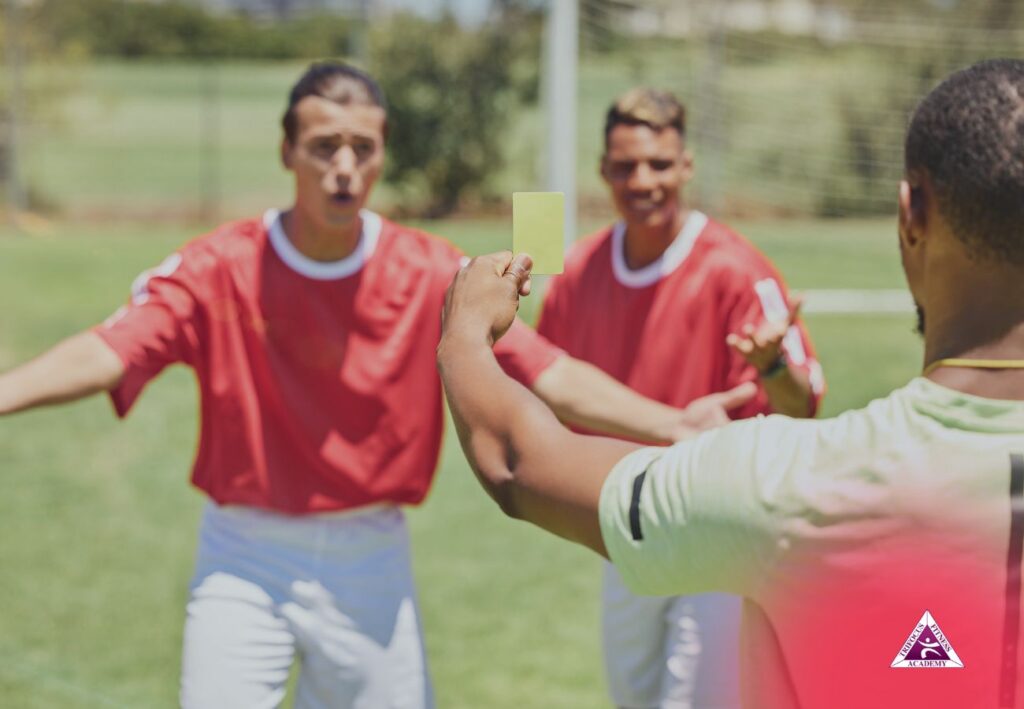
In the ever-evolving world of sports coaching, remaining static is not an option. As new training methodologies, technologies, and research emerge, coaches must continuously adapt to provide their athletes with the highest level of guidance and support. Fitness and strategy are crucial when it comes to coaching for sports, but the emotional, mental, and relational aspects of managing a team can make or break how healthy athletes perform in the big game.
Integrating people from different cultures, backgrounds, personalities, and skill levels can lead to friction. Forging these disputes in the Sports training relationship is paramount to achieving unity, trust, and excellence in performance. It’s only part of what a coach does. Coaches do more than teach techniques and tactics; they work to create positive relationships, foster open communication, and cultivate a team environment based on mutual respect and cooperation.
The Importance of Managing Team Dynamics in Sports Coaching
The dynamics of the team are key to the effectiveness of any sports coaching programme. Indeed, technical skill and fitness levels are paramount. Still, the way athletes engage with one another and communicate—how they collectively interact—directly influences the way a team competes as one. Good Sports training acknowledges team dynamics as a ‘work in progress’, an ongoing attention to and sensitivity for this complex aspect of the performing athlete.
Powerful teamwork that fosters trust, encourages collaboration, and mutual respect among competitors. Employees who feel cared for and supported are more likely to experience less difficulty, share ideas, and work together towards shared goals. ” Our positive atmosphere that we’ve created encourages motivation and increases morale and fosters a sense of ownership that generates success collectively.
In sports coaching, a coach is both a leader and a mediator who necessarily influences the team’s culture and resolves interpersonal issues before they disrupt the group’s progress. Coaches need to be attentive to the emotional environment of their team and recognise the early signs of stress, frustration, and ungratefulness. Intervening early, coaches can prevent minor issues from escalating into larger tensions that tear apart team chemistry.
Team chemistry also has an impact on individual player growth. Supportive teammates and coaches were linked to athletes having more self-confidence and being more resilient, taking more chances to improve their performance. Bad team dynamics, on the other hand, can result in lower motivation, anxiety, and a drop in performance levels, for example.
Common Causes of Conflicts in Sports Coaching
Understanding the underlying causes of conflicts is essential for effective conflict management in sport coaching. Every team is different, but certain factors can lead to friction and disputes between athletes and their coaches.
Personality Clashes:
Groups are naturally composed of people who differ in personality, communication style, and temperament. Variances in competitiveness, work ethic, or personal leadership style can cause miscommunication and tension. These differences must be considered in Sports training, and a climate in which diverse presences can coexist and integrate reciprocally should be promoted.
Role Ambiguity:
Undefined roles and responsibilities lead to confusion and frustration between team members. If athletes are uncertain about their role, playing time or expectations, nepotism and favouritism can create tension. There should be clear-cut roles and transparent decision-making in Sports coaching.
Competition for Positions:
A competitive spirit can be beneficial in challenging employees to perform better, but it can also foster envy and spite if not adequately managed. Athletes trying to make a name for themselves or take a leadership position may not act in ways that keep the team together. We are exploring how to effectively coach in sports where we still need to motivate players to play competitively while maintaining a team atmosphere.
Communication Breakdowns:
Misunderstandings can cause, before you know it, a confrontation. Athletes can misinterpret feedback, perceive themselves as not being heard, or sweep unresolved issues under the carpet. Successful coaching in sports requires honest communication and mutual respect to maintain clear and fine-tuned communication lines.
By recognising and resolving such negative triggers of conflict, professional sport coaches can take proactive initiatives to reduce stress and foster an amicable team environment.
Effective Strategies for Conflict Management in Sports Coaching
A Key Skill for Sports Coaching. Coaches who manage conflicts effectively can transform challenging situations into opportunities for growth, thereby enhancing team unity and resilience.
Communicate with clarity:
Communication is key to avoiding or resolving conflicts. Sports training professionals should develop an environment that allows athletes to express their concerns, ask questions, or provide feedback. Regular team gatherings, one-on-one check-ins, and open-door policies promote effective communication and help prevent problems from escalating.
Expectations and Values:
When values, expectations, and behavioural standards are concrete, players have no excuse for their actions. In sports coaching, having a ‘code’ in which all participants contribute can have a similar effect, create accountability and encourage athletes to consider the potential consequences of their actions. When conflicts arise, these agreed-upon values can help facilitate resolution.
Address Conflicts Promptly:
There is an essential element of time in sports coaching. Conflict is not to be ignored, as it festers and destroys unity. Coaches need to address problems as soon as they occur and do so in a calm, level-headed manner, where issues can be discussed and resolved.
Foster empathy and perspective taking:
By encouraging athletes to see others’ points of view, we can increase empathy and a sense of understanding while reducing hostility. Sports coaches facilitate open conversations where active listening and mutual respect are encouraged, and can form an objective approach by coming to a compromise.
Practically, sport coaching professionals can utilise such strategies to handle conflict competently and foster a constructive team environment that promotes the learning of personal and sporting skills by their athletes.
The Long-Term Benefits of Managing Team Dynamics and Conflicts in Sports Coaching
When coaching in sport, effective management of team dynamics and dealing with conflict yield numerous longer-term benefits. These are the kind of Coaches who build the environments that help athletes not only survive, but also to thrive and prosper.
Effective team dynamics are crucial for maintaining long-term team cohesion, trust, and support. Athletes who feel close to their fellow players and coaches are more likely to stay committed, motivated, and engaged in team settings. The bond enhances team effectiveness and resilience, particularly under high-pressure situations.
Favourable conflict resolution enhances the emotional cognition and interpersonal skills of athletes. In a classroom designed to bridge the gap between athletics and the world of the mind, athletes are taught life lessons in active listening, empathy, and effective communication through facilitated conflict resolution exercises. Not only are these skills instrumental in their athletic careers, but they are also instrumental in achieving personal and professional success after the game is behind them.
In sports, positive team dynamics and culture help prevent recurring conflicts that can harm performance, create divisions, and even lead to burnout or turnover among athletes. A peaceful team atmosphere helps keep athletes coming back, as teams can remain stable and carry over from year to year.
It is also, in the field of sports coaching, a career-long leadership tool that enables individuals to navigate challenging times. The better coaches possess this ability to manage teams, and this capability allows them to understand the complexities of a varied team and thrive under hectic situations, while maintaining positive relationships with athletes, parents, and organisational stakeholders.
Conclusion
As a sports coach, you work in a challenging and ever-changing environment and managing team dynamics and resolving conflicts are crucial in forming high-performing and cohesive teams. While technical X’s and O’s are still vital, the psychological and relational aspects of coaching often paint the picture of team achievement and personal growth.
By understanding the underlying causes of conflicts and employing effective strategies for conflict resolution, sports coaching professionals create an environment that fosters athletes’ respect, competence, support, and motivation. Effective communication, explicit expectations, time-sensitive interventions, and team-building activities foster trust, cooperation, and solidarity among team members.
Contact the Trifocus Fitness Academy
The Trifocus Fitness Academy offers specialised online and internationally accredited sports conditioning courses designed to equip professionals with all the skills and knowledge needed to succeed as a professional conditioning coach.

Frequently Asked Questions
The management of team dynamics is essential to coaching because the team context of sports coaching relationships has a significant impact on performance, motivation, and the well-being of athletes. Sports training involves gathering a mixture of strangers. In a supportive team culture, athletes openly discuss their views, assist one another, and are focused on shared goals. However, poor dynamics can lead to conflicts, low morale, and mediocre performance. Good Sports training can also help tackle them in the first place by building trust, laying down clear expectations, and working together.
In sports coaching, personal personality differences and a lack of available positions for everyone can result in conflicts between coaches and players regarding performance roles and communication issues. Athletes may also be troubled by unfair playing time, unclear feedback, or teammates who work differently or exhibit different leadership styles. Other external influences, such as schoolwork or personal stress, also tend to seep into the team dynamic. Those in sports training should have insight into these concerns, be able to comprehend and address their origins, and promote the exchange of ideas and thoughts.
Avoiding conflict in Sports training comes down to clear leadership and communication around expectations, as well as the creation of common team values in the first instance. Roles, responsibilities, and behavioural expectations should be established by the coach early in the season. Regular team meetings, one-on-one check-ins, and feedback sessions create a safe space for athletes to express their concerns. In the field of sports coaching, one also seeks to create a climate of respect, empathy, and accountability to minimise misinterpretations and acrimony. There is also a sense of bonding and trust in proactive team-building initiatives.
Effective communication is the key to resolving conflicts in sports coaching. When athletes have open, honest lines of communication, they can challenge and support each other in ways that cannot happen when conversations are filtered through their field. In sports coaching, it focuses on active listening, empathy, and respectful feedback to de-escalate situations and gain a comprehensive understanding of the situation. Clarity clears up confusion and allows conflicts to be worked out, rather than running from them. Athletes are acquiring the best in team-building skills when coaches teach practical communication skills.
Sports coaching is a setting where conflict can be transformed, where the occurrence of conflict can be viewed as an opportunity for growth, reflection, and skill development. Coaches instruct athletes to conceptualise root causes, practice empathy, and be content with issues. In sports coaching, conflicts are about building team cohesion and enhancing communication. Athletes develop emotional intelligence and resilience through meditation, open dialogue, and structured conflict resolution processes.
The evidence suggests that effective conflict resolution in sports coaching enhances team performance, develops athletes, and contributes to the longevity of success. “Through all of the sports that players participate in, they’re learning skills like communication, empathy and problem-solving that help support personal growth.” Teams with good chemistry tend to fare better under stress, have higher morale, and experience fewer distractions. In sports coaching, effective conflict management at the outset builds trust, reduces turnover, and fosters stronger relationships between coaches and athletes. Conflict-resolution-savvy coaches achieve the kind of positive team culture they’re after, one where athletes feel nurtured and inspired.