
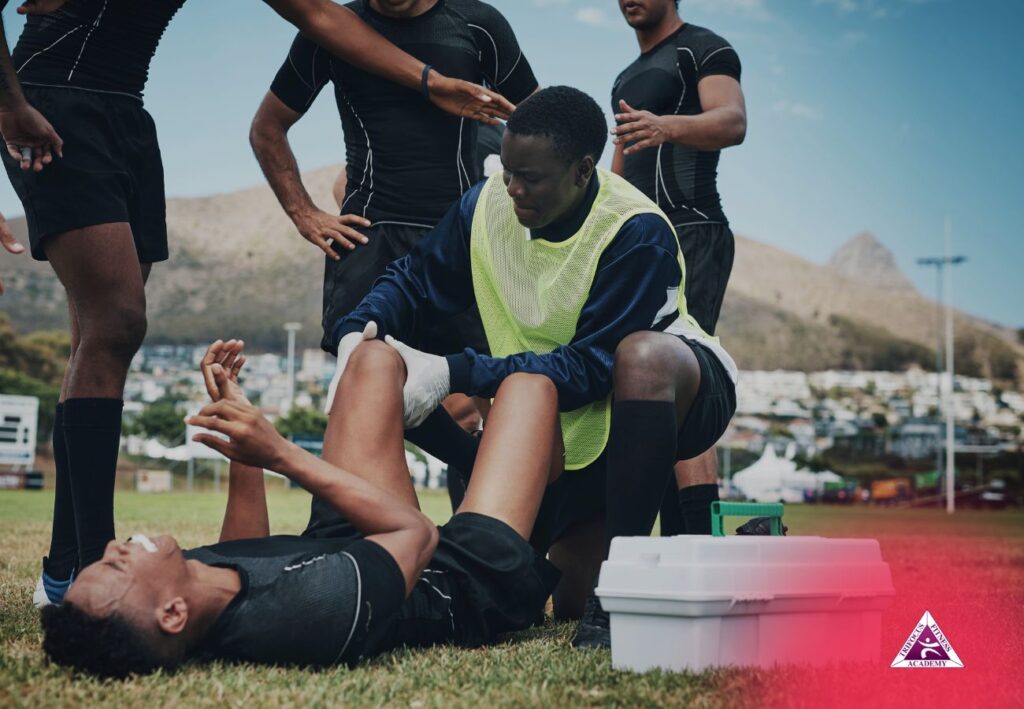
Recovery is a key stone in contemporary sports training. Athletes, both in training and in competition, physically and psychologically stress their bodies and minds. And recovery can help them heal, adapt and come back stronger. When athletes are not taught proper recovery techniques, they put themselves at risk for injury, burnout and a stagnant plateau. In sports coaching, recovery is not up for grabs. “It has to be thought out, tracked, and incorporated with training of skill and strength.”
Sports coaching, which enriches training with recovery, will deal not only with physical exhaustion but also mental burden and general fitness. It’s a way to avoid going too hard, burnout, and to be able to handle life. Good recovery strategies are nutrition, sleep, active rest, movement work, hydration, mental rest, and periodisation planning. Coaches who underestimate recovery witness peaks of effort and crashes. Coaches who design training based on recovery help their athletes progress and improve gradually while minimising setbacks and remaining in peak condition.
This blog looks at some key recovery methods used in elite sports coaching. It includes sleep quality, hydration and nutrition, mobility and flexibility, mental rest and stress management. Every is broken down into practical tools for practitioners to integrate recovery into training programming. Whether it is athletes with developing bodies, club athletes, or high-performance success, recovery is not only crucial for maximising any given performance, but for a career in sport. Innovative training in sports coaching starts with smart recovery.
Prioritising Quality Sleep for Athletic Adaptation
After those numbers get addressed, one of the most critical recovery tools in sports coaching is sleep. Quality sleep supports physical restoration, cognitive processing, hormonal regulation, and immune function. Lack of sleep negatively affects decision-making, reflexes, mood and outdoor physiology, and effectively undercuts performance improvements.
Athlete educators assist athletes in developing sleep hygiene habits. Coaches also advise that athletes monitor their sleep with logs or wearables to help discern patterns and disturbances.
Athletes who have early-morning training sessions and travel as part of their training program may likewise benefit from napping and/or strategic rest days. Sports coaching ensures that load is counterbalanced with sufficient recovery so that athletes are not just physically fresh, but mentally sharp.
It is by treating sleep as a non-negotiable part of preparation that enables athletes to adapt and decrease the risk of getting sick or injured.” Athletes who sleep well respond more completely to training stress, they recover faster between workouts, and they stay at it across multiple seasons.
Nutrition and Hydration as Foundations of Recovery
Recovery is based on fueling and hydration. In sports coaching, nutrition is a key element to facilitating recovery through muscle repair, glycogen repletion and replacement of lost sweat electrolytes. If these are ignored, athletes cannot effectively train or recover from those hard workouts.
You could work with a sports nutritionist or at least have them give you or your team’s coaches some instructions on protein for post-training, carbs for energy, and fat for hormone support. Hydration is equally important. This is all far easier to follow than it is to type, but equally, those guidelines are stating the obvious in terms of fluid intake before, during and after training, to get the absolute best out of yourself and not to take on cramps or heat stress.
Sports coaching also encourages post-training/post-competition recovery snacks or meals 30 to 60 minutes following training or competition. This “recovery window” facilitates an accelerated rebuilding of muscles. This should be considered under supervision with supplements, such as omega-3 fatty acids, antioxidant-rich foods and iron supplementation if required.
Education is key. Athletes also need to learn how food and fluid influence recovery, mood and even sleep. Coaches can give simple meal plans, hydration tracking sheets or group talks on fueling strategies. Both nutrition and hydration habits, when practised regularly, promote resilience and minimise time lost to fatigue or injury.
Active Recovery, Mobility and Injury Prevention
Coaches of sports will use active recovery to keep circulation going and to flush waste metabolic products out of working muscles. Active recovery can consist of light cycling, walking, gentle exercise, mobility work, using a foam roller, stretching and restorative yoga. So, these sessions keep the athlete recovering without any additional stress.
Programming mobility and flexibility work into the week will guard against tight muscles, stiff joints and overuse injuries. Coaches instruct athletes on dynamic warm-ups, post-practice stretching and self-myofascial release. These are the sort of habits that not only support high movement quality and low injury risk but also long-term athletic longevity.
Sports coaching also takes into account the structure of sessions, having recovery blocks after heavy training. Off days are for light cross-training, mobility or work in the pool. These lighter load alternatives can keep an athlete in action while their body heals.
It is also part of the monitoring of athlete feedback and soreness in sports coaching. Coaches modify the recovery around high-fatigue signals or non-readiness. Individual recovery programs that mean no injuries and coming back even stronger and more resilient.
Mental Recovery and Stress Management
Therefore, physical recovery is a necessary, but certainly not sufficient, aspect of recovery, since mental recovery is even more critical at times, especially in sport coaching, since mental fatigue interferes with the learning process, reaction time and emotional management. Competition pressure, School or Life stress tend to build up if not handled properly.
Some of the recovery processes within sports coaching are taking a mental break, practising mindfulness, taking a guided break for breathing, light diary work, or meditation. Athletes may get a lot out of structured time spent away from screens or social media to decompress. Mental recovery sessions can be included in programming, particularly during periods of high training volume or pre-competition.
It encourages athletes to engage in relaxing leisure activities, such as reading and light walking, which allow for imagination, because these kinds of activities help people recover cognitively and emotionally. “Recovery is also part of your sleep rituals, and mentally unpacking either your training or the game,” she adds.
This type of sports coaching, which emphasises both mental and physical recovery, provides a holistic platform for you to perform your best. Athletes in balance handle pressure more effectively, make better decisions under stress and are less likely to burn out. They stay engaged and motivated for the duration.
Conclusion
There is no added extra in sports coaching, that is, ‘recovery strategies’. They are building blocks of training, of resilience, of long-term athletic success. Sleep, nutrition, hydration, active recovery strategies, mobility, and mental recovery all contribute to whether the athlete can adapt, grow, and survive. When recovery is naturally integrated into sports coaching, then training athletes are less likely to overtrain and get injured.
Coaches who understand that recovery is essential as hard training create environments that value consistency over rapid gains. Athletes discover recovery is a strategy, not a weakness. Establishing recovery habits early in one’s athletic development can set the stage for a long career in sport. It teaches athletes to listen to their bodies, respect rest, and train smart. It also develops a sense of self, discipline and performance culture.
Contact the Trifocus Fitness Academy
The Trifocus Fitness Academy offers specialised online and internationally accredited sports conditioning courses designed to equip professionals with all the skills and knowledge needed to succeed as a professional conditioning coach.

Frequently Asked Questions
Recovery is essential in sport coaching because it permits athletes to recover and adapt from heavy training/competition loads. Get the recovery wrong and performance drops, injury risk goes up, and long-term development hits a wall. Recovery helps muscles to repair, and mental focus and emotional balance are also increased. It’s not restful inactivity,it’s an active part of progress. Coaches who use innovative recovery programs build resilience in their athletes, remain more consistent and avoid burnout. Recovery is as critical for sustained performance at any level of sport.
Quality sleep, good nutrition, hydration, mobility work, active rest and mental relaxation methods are all effective recovery strategies within the sport of coaching. All do different things for the body, sleep repairs, nutrition recovers, water is required for muscle function and mobility, and prevents stiffness. Active recovery, such as easy movement or stretching, increases circulation. Meditative practices such as mindfulness Meditation, Israel. It’s like when mindfulness, just letting our hearts fill up with the beauty of the moment, the moment we have here. Support rituals and mental exercises like journaling alleviate stress. Together, those approaches help athletes recharge in turn and come back stronger.
Nothing beats sleep as one of the key recovery means in sports coaching. It aids in replenishing energy, repairing muscle tissue and hormonal processes as well. Reaction time, focus and physical performance are adversely affected by insufficient sleep. Coaches promote regular sleep habits, reduced screen use before bed, and relaxation habits to help you get better rest. Deep, restful sleep supports immune health and mood, giving athletes an edge to train harder and recover faster. Athletes who prioritise sleep have better long-term development and less risk of injury.
Coaches also help in educating athletes about the effects of food and fluids on recovery. Sports coach recommendations include athletes consuming protein and carbs within 30-60 minutes after training to help repair muscle and replenish energy stores. Hydration is also “essential”, coaches encourage intake of fluids before, during and after exercise. Teaching athletes about timing meals, controlling portions, and hydrating well enhances energy, minimises fatigue and hastens recovery. Eating smart is part of playing smart.
Active recovery consists of mild movement used to help heal without adding stress. Active recovery in sports coaching could be walking, swimming, yoga, light cycling, stretching, among others. These periods augment the flow of blood, remove waste products, and prevent them from becoming stiff. Active recovery is something coaches frequently program on active recovery days, or after days of intense training, to keep athletes mobile while allowing the body to recover. It’s a low-impact, effective way to keep moving along without the risk of overtraining or burning out.
Recovering mentally is how athletes learn how to deal with the stress, how to stay motivated, and how not to burn out. “Coaching sport, it’s a mind and a body thing,” he says, acknowledging the cognitive fatigue that can hinder focus, decision-making and emotional regulation. Athletes recharge their minds by practising techniques like deep breathing, journaling, or going on a digital detox. In the track and field program, coaches who foster a balanced environment that prioritises mental health encourage athletes to develop strong coping mechanisms to help rebound, refocus and get back on the path to personal and competitive success. A rested mind allows for clearer thinking, quicker reflexes and better emotional control when competing.