
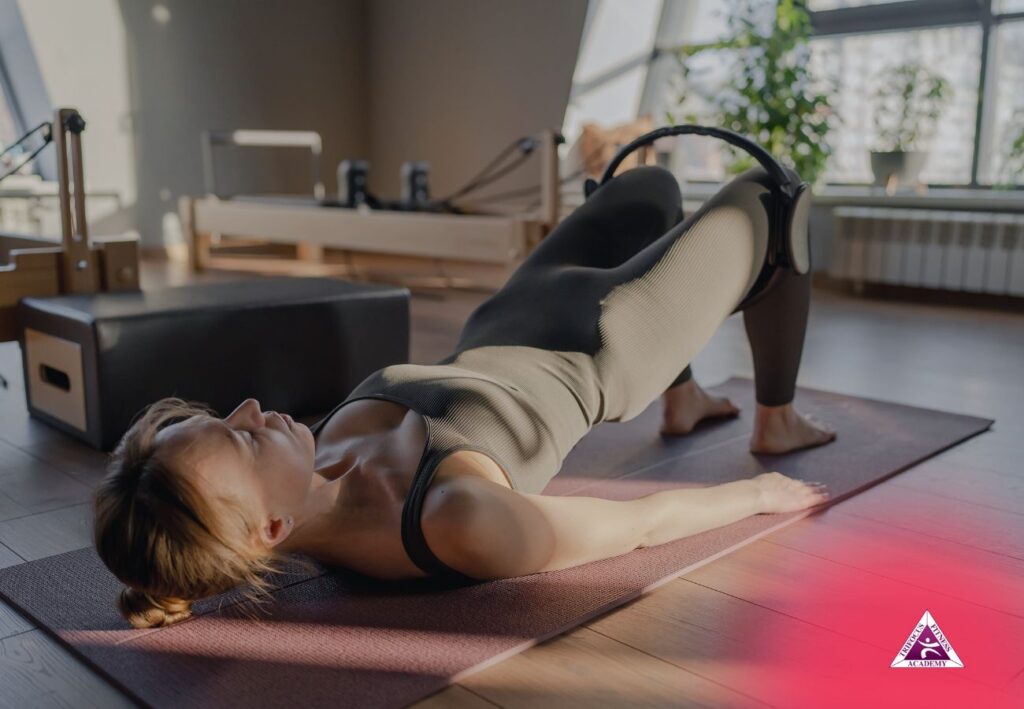
Anxiety can wreak havoc on the mind and body. It crops up as racing thoughts, shallow breaths, tight muscles, and fidgetiness. (And sometimes even in sleep issues and digestive distress.) There are numerous suggestions for coping with anxiety, but one such solution that is becoming increasingly popular for being natural and wholesome is yoga. Practising yoga exercises can help calm the nervous system and balance the body, mind, and spirit, allowing you to feel better.
Yoga poses bring movement, breath, and stillness to promote mental focus and emotional stability. These are not simply stretches for the body, but also regulators of the nervous system and cortisol (the stress hormone), and they serve as facilitators for improved breathing. This is important for those of us who have anxiety, which tends to keep us locked in fight-or-flight.
The beauty of yoga exercises for anxiety is that they are accessible and practical. You don’t require fancy equipment or years of experience to get started. Even just a few minutes a day can make a significant difference. “With practice, yoga offers a highway to make you more in-the-moment, less swamped and more in control of your body’s responses,” she said.
Understanding the Link Between Anxiety and the Nervous System
To understand how yoga exercises can help alleviate anxiety, it is essential to comprehend the nervous system. Anxious. When you are anxious, your body is in a state of high alert. This is regulated by the sympathetic nervous system, which primes your body for danger by elevating your heart rate, tensing your muscles, and increasing your breathing rate. This is helpful during real emergencies, but if you continue it for too long, it can be detrimental to your health.
Yoga works by stimulating the parasympathetic nervous system. This is when your body rests and recharges. It helps slow your heart rate, lower your blood pressure and relax your muscles when you activate it. So, when the Healing mode is in control, you feel more at ease and better able to self-regulate.
Deep breathing is one of the quickest ways to engage this calming system. Many yoga exercise poses are breath-driven, with movement tied directly to the inhale and exhale. This type of mindful breathing helps redirect your focus from your head (where it tends to race and become anxious) to the present moment.
Slowing down and moving intentionally (not moving at warp speed, checking out of the body) also communicates safety to our brain. Gentle postures that open the chest, release the hips and elongate the spine let your body know that it is safe to let go. Yoga practices that induce a sense of grounding can be especially effective in alleviating anxiety, as they may help pull our awareness back down to our bodies and the present moment.
By pairing breath, movement, and mindfulness, yoga exercises offer a comprehensive solution to help you naturally manage your anxiety, without judgment.
Yoga Exercises That Calm the Nervous System
Some yoga practices are especially beneficial for reducing anxiety. Designed to quiet the mind, slow the breath and release areas of the body where stress and anxiety tend to gather (shoulders, chest and hips), these poses are meant to be so comfortable that you could easily watch an entire semester of classes in just one night.
One of the most stabilising postures is Child’s pose. This simple forward fold brings your attention inward and signals to the body that it’s time to rest. The forehead on the mat or cushion, the body begins to feel supported and secure. Deep breathing in this position helps reset the nervous system.
Another helpful pose is Legs-Up-the-Wall. This basic inversion will improve blood flow, decrease heart rate and calm the nervous system. This is a good way to relax after a long day or help you fall asleep.
Cat-Cow is not a high-impact flow that includes breath with motions. As you arch and round your spine, you rub the back and soothe the mind. These yoga exercises can help alleviate tension and enhance your body awareness.
A Reclined Bound Angle Pose. Lying on your back with the soles of your feet together, knees wide, you allow space in the hips and softening of the belly. This transparency is beneficial for reducing anxiety and promoting deep relaxation.
You can perform all of these yoga exercises at home and modify them as needed to suit your level of experience and ability. They are most effective with slow, conscious breathing and a willingness to tune in to your body.
Using Breathwork to Support Emotional Regulation
We take our breath for granted, but it is one of the most potent tools we have to control anxiety. Yoga poses that involve breathwork make you focus on different ways to breathe, and then intentionally slow them down. This has a direct effect on how your nervous system reacts to stress.
When anxiety is triggered, breathing typically becomes shallow and fast. This can make you feel even more nervous and anxiety-prone, which then leads to an unhelpful feedback loop of tension. Yoga exercises help you to break that loop by linking breath to movement. Simple practices like box breathing can send the message to your body to slow down: Inhale for a count of four, hold for four, exhale for four and hold again.
Yoga poses such as Seated Forward Fold, Bridge Pose and Easy Seated all promote stillness and breath awareness. With extended exhalations, these asanas help the body relax.
Pranayama is another one, specifically the Alternate Nostril Breathing. It entails breathing in and out through one nostril at a time, which supposedly balances the two halves of the brain and tamps down mental noise.
The best part is that these breath-based yoga moves require nothing except you and are accessible to almost everyone. You can do them whenever: in your living room, in your car, or even in the middle of a stressful day.
There’s no escaping your breath, and discovering how to harness your breath through yoga is one of the most empowering practices you can do for mindful living.
Building a Regular Yoga Practice for Anxiety Relief
While a single yoga fill-in can provide immediate relief, the real benefit comes from establishing a regular practice. Yoga exercises become more powerful when you practice them as part of your daily or weekly regimen. This helps retrain your body to respond to stress in a healthier manner.
Start by setting realistic goals. You don’t have to devote an hour to the mat every day. Even 10 to 15 minutes of conscious mobilising, movement and breath can be enough to change your mood and regulate your system. Consistency, not volume, is the key.
Make It a Safe and Soothing Space. Create a space that feels safe and calming. This might be in one corner of your bedroom with a mat and a pillow as your cushion, or a quiet area of your living room. Finding a home base also helps establish the habit.
Perhaps try doing some yoga exercises every day at the same time. A morning practice can be an anchor for a more grounded day, and an evening practice can help you let off steam so you can sleep better.
If you don’t know where to begin, look online for classes or guided videos. There is a high demand for yoga instructors who specialise in anxiety relief, and their serene and encouraging instruction can help you stay committed.
As you practice, you will teach your body and mind to associate yoga postures with safety and a feeling of calm. This is a powerful positive feedback loop to fall into when anxiety hits. The more you practice, the easier it is to breathe, move and respond intentionally as opposed to reactively out of fear.
Conclusion
It’s exhausting to live with anxiety, but some tools can help you recentre, refocus and ground yourself. Yoga exercise techniques are an embodied, cognitive approach that can make anxiety more manageable by slowing you down, breathing deeply, and reconnecting to the present. No matter if you’re struggling with chronic anxiety or simply feeling overwhelmed, yoga allows you the space to relax, reflect, and reset.
Re-direct methods by sending a focus to your breath, regulating the nervous system and providing some gentle movement and ease into a healing and regenerating mode that does not involve medication or complicated regimens. You don’t need to be flexible or have experience to get started. All that’s required is the willingness to be there, listen to your body and do it, breath by breath.
The yoga exercises I share in this blog — from Child’s Pose to Legs-Up-the-Wall to breath-focused practices — are easy, accessible, and effective. Regular practice can help reduce stress levels, promote better sleep, improve emotional balance, and contribute to a sense of resilience.
Contact Trifocus Fitness Academy
Explore the rewarding path of becoming a certified Yoga instructor. Unleash your potential and inspire others on your journey with Trifocus Fitness Academy’s comprehensive Yoga program.

Frequently Asked Questions
Yoga workouts alleviate anxiety. Hormone-friendly yoga asanas soothe the nervous system, altering the body’s stress response from fight or flight to rest and digest. By doing so, yoga can slow our heart rate, release tension held in our muscles and silence our most racing thoughts with breath and movement. Through regular practice, stressful experiences have been shown to reduce cortisol levels, enhance emotional regulation skills, and foster a sense of safety. Yoga poses offer a safe way to re-establish a connection between your breath and body in the present moment. This sameness helps you re-educate your body to respond to stress with equanimity instead of panic.
The best yoga moves to help soothe anxiety are those that are gentle, don’t involve rapid movements and are focused on the breath. Poses such as Child’s Pose, Legs-Up-the-Wall, Cat-Cow, and Reclined Bound Angle also promote a sense of calm and are excellent ways to release tension stored in the body. These poses engage the parasympathetic nervous system, which communicates safety and rest. Adding deep breathing to these workouts increases their relaxation time. That’s the good news because you can do them as at-home yoga for beginners.
Yoga can be a great adjunct to treatment for anxiety, but it should not replace medication without a medical consultation.” Yoga alone can also be enough for some people to self-soothe via the modulation of the nervous system and reduction of stress. For others, it is most effective in conjunction with therapy or medication. The power of Yoga Practices to alleviate symptoms of anxiety, improve breathing control, and promote emotional wellness. They foster a sense of long-term wellness and encourage the development of healthier habits. Always consult with your doctor or therapist to decide what is right for you!
Consistency is key, not the length of time you broadcast. Yoga exercises, performed three to five times a week for at least 10 to 20 minutes, can help reduce anxiety. Practising daily, even if only for a few minutes a day, can help train the nervous system to be more resilient to stress over time. Opt for relaxing, restorative poses and concentrate on your breathing. The habit-building party involves teaching your body that such movements mean safety and calm. The more clocklike your schedule, the more accessible that state of calm when the world is staring down at you. Yoga can be most effective when it’s integrated into your regular self-care.
No, it is not necessary to be flexible to start the yoga poses for anxiety. The goal is not to achieve perfect positions, but to facilitate relaxation and emotional equilibrium. Some of the most effective poses are deceptively simple, like lying down with your legs up or sitting with your back supported. Yoga is adaptable and inclusive. You can lean on pillows, blankets, or the wall to make poses feel more comfortable. The most important thing is your breath and the willingness to listen to your body.
Breathwork is at the heart of yoga practices for anxiety. This is because slow, deep breathing has a physiological effect on the nervous system, signalling the body to calm down and move out of the stress response. Practices such as box breathing, alternate nostril breathing, or simply lengthening your exhale can help decrease your heart rate, calm tension, and reduce anxious thoughts. Breath in yoga connects body and mind, directing movement and anchoring attention. When combined with gentle poses, deep breathing helps the body relax and unwind.