
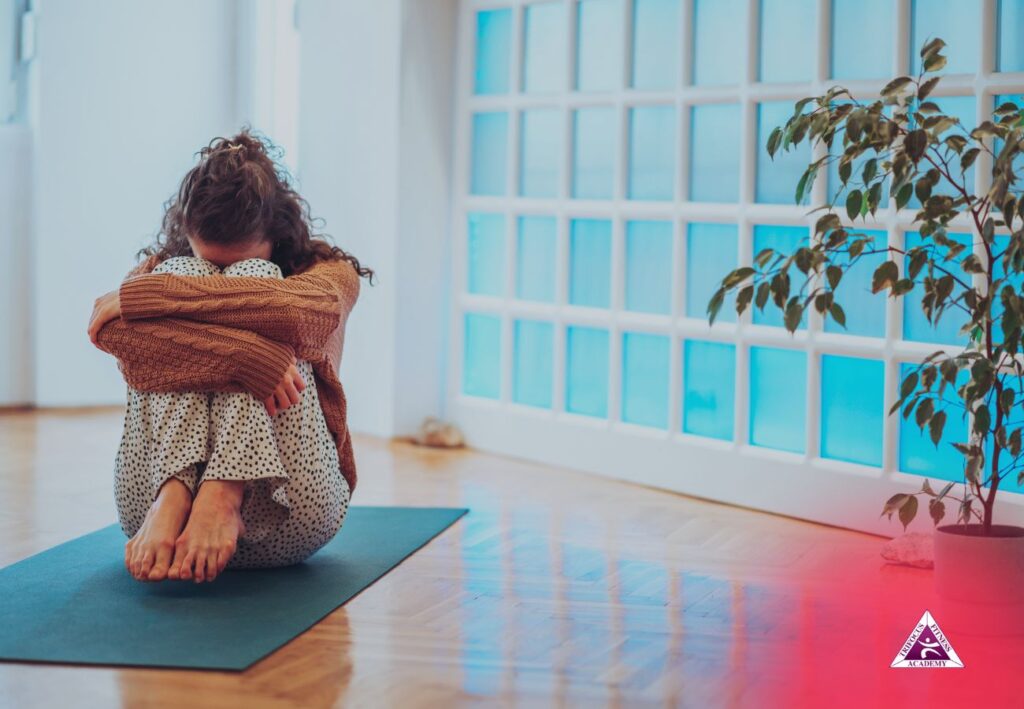
Trauma cannot be framed in ‘one size fits all’ healing.” It’s complicated, deeply personal and often requires addressing the mind and the body. While conventional therapy is vital to the process of managing trauma, increasing numbers of these individuals are choosing practices that re-engage them physically. Yoga exercises are emerging as a potent force for cultivating safety, presence, and resilience in the body.
When someone lives through a trauma, the body can retain that stress in ways that are not always easy to articulate. Tight muscles, shallow breathing, a clenched jaw, or tense shoulders are among the physical reminders of past pain. Yoga asanas help by coaxing us back into our bodies, allowing us to notice sensations without attaching judgment to them, and, over time, rebuilding trust with ourselves.
In trauma healing, the idea is not to strive for the perfect pose or push beyond our limits. Instead, it’s about learning to feel safe in your skin again. In your yoga practice, you concentrate on your breath, moving slowly and grounding yourself. Those simple acts form a space in which healing can begin to emerge organically.
Reconnecting with the Body Through Yoga Exercises
It’s also common for trauma to cause people to dissociate from their bodies. It can transform the body into a place that feels unsafe, unfamiliar, or even hostile. It’s not uncommon for trauma survivors to learn to turn their bodies off or avoid their physical sensations altogether. This disconnect, once essential for survival, can later act as a barrier to healing. Yoga is a safe and effective way to start reconnecting with your body in a gentle, intentional manner.
With yoga moves that help bring awareness to your breath, body and the accompanying sensations. Repetitive motions such as extending the arms, gently turning the head, or feeling the weight of the feet can start to impact how someone relates to their body. Instead of fixing and forcing, yoga welcomes curiosity. What do I feel right now? Where is there tension? What does comfort feel like?
In trauma-conscious yoga, there is no obligation to do well. The key terms here are choice, safety and autonomy. Teachers may present a few options for taking a pose, encouraging students to select the one that feels most comfortable for them. This cultivates self-trust and promotes self-empowerment. Yoga poses become less about what we accomplish and more about how we show up.
Over time, as someone engages in these movements, they begin to feel more at ease in their skin. Instead of the body as a cause for fear or discomfort, it becomes a place of grounding, strength and connection. Yoga practices gently open that door for people to reconnect with themselves, not through force, but with compassion and awareness.
Creating a Sense of Structure and Safety
Trauma can dismantle a person’s internal sense of time, place and self-possession. Survivors often report feeling unmoored or constantly on edge. There are many situations where routine and predictability feel like a luxury. That’s why one of the most healing things about yoga exercises is the way they create rhythm and structure. With every inhale, every exhale, every round of a pose, we run threads of order and recognition through our mind. This framework serves to reconstruct an experience of internal and external safety.
Yoga exercises follow a sequence. Whether it’s a brief 10-minute routine or a longer practice, every class has a start, middle and end. This predictability is calming to the nervous system and can be particularly helpful for those who have previously seen chaos or inconsistency in their lives. The brain and body can relax in the knowledge of what is to come.
Yoga poses typically begin with floor poses or breathwork. These initial moments serve as a cue to the body: you’re here, you’re safe, you’re supported. For survivors of trauma, this can be particularly helpful as they might have difficulty feeling fragmented or disconnected. These basic rituals help establish a feeling of containment.
This discipline is instilled gently, through the structure of yoga exercises as well. A regular practice can chord a sense of agency and control – two things that are always fragile after the tides of trauma; resolutely assiduous and desperately needed. This, in turn, leads to resilience. It is a stable vessel for healing to take place.
Regulating the Nervous System Through Movement and Breath
Nervous system regulation is one of the most significant mechanisms through which yogic exercises assist in the process of trauma recovery. Trauma can trap the nervous system in a state of survival, hyperalert, anxious or numb. Yoga helps the body transition out of these states by activating the parasympathetic nervous system, the “rest and digest” mode.
Gentle, slow stretching combined with conscious breathwork helps calm the stress response. Poses such as child’s pose, legs-up-the-wall pose, and gentle twists activate relaxation pathways in the brain. Responses: Yoga exercises not only work on a physical level, they send a message to the nervous system that it’s safe to release.
Breathwork is incredibly effective for this practice. Even just a few minutes of deep belly breathing can decrease the heart rate, lower cortisol levels and make us feel calmer. In trauma-sensitive yoga, teachers often lead students through breathing practices designed to soothe rather than excite. The breath itself serves as a nexus between body and mind.
Yoga exercises also help people to become aware of when their nervous system is activated and offer techniques to bring their body back into balance. This sort of self-awareness develops emotional resilience. Rather than being caught and abducted by fear or anxiety, the person learns how to respond softly and effectively.
Regular practice builds capacity. Slowly, through yoga practices, the body learns that it doesn’t have to live in a state of threat. It will be able to rest, recover and feel safe again.
Cultivating Compassion and Self-Acceptance
Trauma is typically laden with shame, rushing, self-blame, and feeling broken. These emotional injuries may be even more complex to heal. Yoga exercises aid in recovery not only through body strengthening but also by fostering self-compassion and acceptance. In a culture that commonly tells trauma survivors to “just get over it,” yoga sends a different message: you are enough, exactly as you are.
Unlike some other types of exercise, yoga doesn’t require perfection or push you to some breaking point. It asks you to take stock of how you feel, to pay attention to your body, and to be kind to yourself. This tuning in and listening practice builds an internal regard, over time. Every breath, every action serves as a reminder that you, too, deserve to be tended.
Yoga exercises also encourage non-judgment. There is no right way to move. If a pose is too strong, selecting another is not a failure; it’s a strength. This attitude helps trauma survivors give up severe self-criticism and begin to build a patient and kinder relationship with themselves.
Furthermore, the routine of yoga incorporates stationary or guided meditation. This quiet time provides an opportunity to reflect, let go, and just be. This tender bearing witness is profoundly healing for many trauma survivors. It makes room for new stories to take root, stories of strength, healing, and self-love. Over time, yoga postures can assist in reprogramming the internal tape from “I’m just surviving” to “I’m whole and strong”.
Conclusion
Yoga practices are not a panacea for trauma, but they are very potent allies on the path of healing. They are a path back into the body, a place to be made safe again, and a soft container for trust, resilience, and becoming. For trauma survivors, many with invisible injuries, it can be a lifeline.
In yoga physical practices, we learn how to reconnect with ourselves in a way that feels solid and strong. They learn to develop the tools to regulate their nervous system, create emotional awareness, and respond to stress in a more balanced way. More significantly, they’re instating new habits of compassion and caring over patterns of self-judgment.
What I have found effective in recovering from trauma is yoga exercises because they focus on choice and being present. There is no pressure to impress or conform to a certain standard. It’s about listening inward and following your needs at your own pace. That freedom is itself healing.
Contact Trifocus Fitness Academy
Explore the rewarding path of becoming a certified Yoga instructor. Unleash your potential and inspire others on your journey with Trifocus Fitness Academy’s comprehensive Yoga program.

Frequently Asked Questions
It helps with trauma recovery by bringing individuals back into their bodies safely and mindfully. Trauma often causes disconnection and physical tension. Yoga exercises can help release that tension, quiet the nervous system, and cultivate self-awareness through slow movement and focused breathing. These movements also help manage emotions and provide an organised, caring environment to restore the belief in the body. People can learn, with practice, to reduce stress, develop resilience and feel more present. Yoga practices are a soft, strong, and powerful way to heal trauma without trying to dominate or crush the body.
Yes, as long as you approach it with mindfulness, yoga is incredibly safe for survivors of trauma. Trauma-informed yoga (TIY) emphasises choice, comfort, and personal ability. Trainers are taught to use subtle cues, steer clear of triggering language, and suggest variations for each pose. This can help empower survivors to feel in control of their experience, yoga Poses for Weight Loss. Extremely challenging and complicated yoga poses are not necessary to achieve weight reduction gains. Basic stretches, grounding poses, and breathwork can help regulate emotions and create a sense of safety.
The best yoga exercises for healing trauma are slow, gentle and grounding. These can include poses such as Child’s Pose, Seated Twists, Legs Up the Wall, and deep breathing. The ones that promote bodily awareness and choice are the best. Trauma-sensitive yoga doesn’t incorporate forceful adjustments or vigorous flow. Instead, it urges everyone to listen to how their body feels and to move in the ways that feel safe. Breathwork, stillness and repeated action also contribute to nervous system regulation. In general, the best yoga poses are those that help establish trust, alleviate overwhelm, and provide emotional healing by promoting purposeful and intentional movement.
In terms of trauma recovery, yoga’s role is to be another thread in the clinical intervention tapestry, not as a replacement for therapy. While yoga has the potential to help you balance your nervous system, become more connected to your body, and work on some emotional healing, it’s not the complete psychological work that therapy offers. But many therapists and experts in trauma recommend adding yoga to a larger plan of recovery. Integrating talk therapy and trauma-conscious yoga exercises results in healing at a mental and physical level. When practised safely and regularly, however, yoga can become a powerful element within the context of a wide-ranging strategy for healing.
There is no hard and fast rule, but for some individuals who want to heal their trauma, practising yoga at least two to three times a week can be helpful. Even just short 10- to 20-minute stretches can make a difference. It’s all about consistency and listening to your body. As you become more confident, consider adding more times throughout the day later. Trauma-informed yoga is about gentle progress, not perfection. Whether practised in a group setting or at home on your own, making time for yoga poses can help regulate the nervous system, reduce stress, and foster a healthier connection between mind and body as you heal.
You don’t have to be anyone special to gain from Trauma Sensitive Yoga℠. Trauma-informed yoga is suitable for all, regardless of age, fitness level, or flexibility. It’s not about striking perfect poses, but about reconnecting with your body and feeling at ease. The instructor usually provides variations and stresses choice, so every person can move in a way that feels good to them. Newcomers may consider starting with basic yoga practices, such as seated breathing, gentle stretching exercises, or guided exercises known as body scans. It’s all about practice, patience and being kind to yourself.