
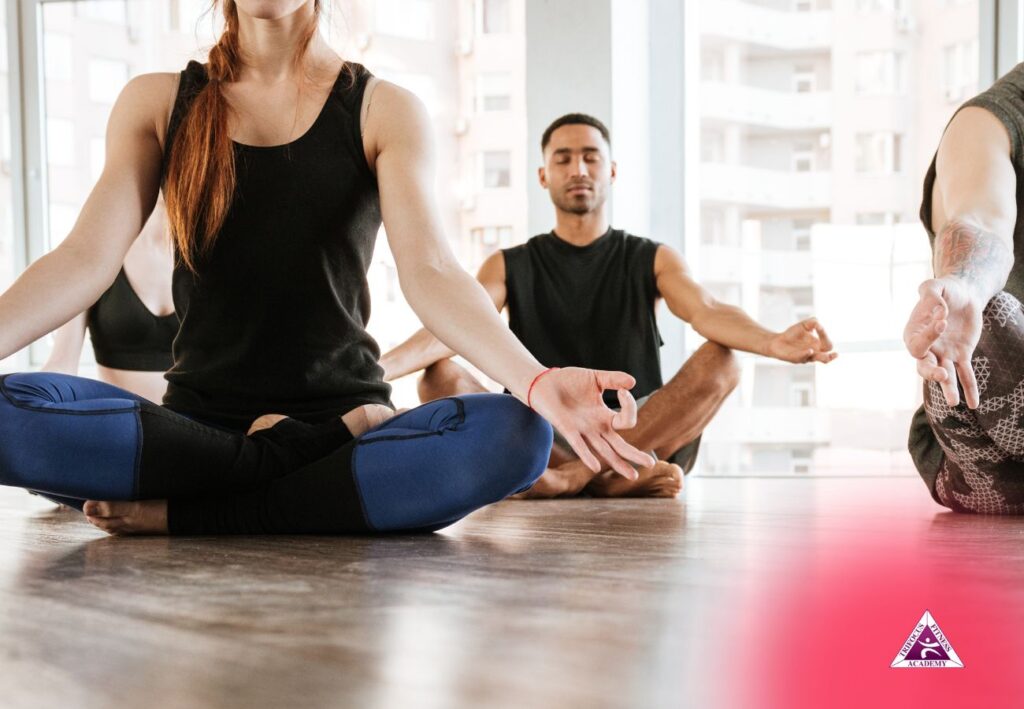
Recovery is an incredibly personal journey, and one that involves healing in a physical, emotional and spiritual sense. Though therapy and medication are undoubtedly necessary, many discover that adding a practice of yoga to their recovery program can provide powerful support for long-term change. Yoga is more than just movement; it’s a complete system that develops awareness, equilibrium and peace of mind.
With practices focusing on mindful breathing, easy postures and meditation, yoga exercise encourages us to come back into our bodies, rationalise stress or anxiety and be in the present. And for people in recovery, that connection can make all the difference. Addiction is usually a byproduct of disconnection from self, community and the emotional landscape. Yoga assists in rebuilding those bridges by providing a safe space to reflect and be self-compassionate.
Restoring the Mind-Body Connection
One of the most profound benefits of yoga in addiction recovery is the reconnection of the Mind and Body. Addiction often leads to a profound physical disconnection. People who are in recovery might feel disconnected from their feelings or even be unaware of physical sensations. Yoga brings the focus back to the body using breath and movement, allowing people to begin (re)attending to how they are, bodily and emotionally.
Participants also learn to follow, rather than suppress or ignore, sources of physical and psychological discomfort in their practice of yoga. Each pose promotes a state of mindfulness and patience, as one comes face to face with tension, accepts it, and finds what lies underneath: awareness in the sensitive areas. Learning to recognise emotions is a key tool for identifying emotional triggers before they turn into cravings or relapse.
Yoga also teaches grounding, the ability to be present in the moment. Anxiety and unease are common for many people in recovery who are getting accustomed to sobriety. Movement in the form of grounding, such as Mountain Pose, Child’s Pose and Savasana, can calm the nervous system and train it to feel safe again within itself. Gradually, yoga retrains the mind to connect peace and equilibrium with inner atonement rather than impulse, enabling one to make deliberate choices.
“Coming back into the body increases their acceptance of self as well. Addiction can bring on shame and guilt, but yoga helps you find a loving path to forgiveness. When the power and emotion layers start to synchronise, people reencounter their power, self-respect and healing. This reconnection becomes the foundation for making sustainable change and stepping into a life of greater resilience and meaning.
Reducing Stress, Anxiety, and Cravings
Stress and anxiety are two primary foes in the fight against addiction. When unaddressed, these can lead to cravings and a relapse. Yoga as a part of recovery offers potent tools to reign in the mind, self-soothe the nervous system and transform emotional tornadoes.
Yoga exercise “puts the mind and body on the same page” with deep breathing and mindful movement, activating the parasympathetic nervous system, also known as the “rest and digest” mechanism. This system acts to counter the body’s response to stress by decreasing heart rate, decreasing blood pressure and quieting the mind. Practising controlled breathing exercises like anulom vilom or diaphragmatic breathing helps to naturally regulate anxiety, rather than relying on harmful habits to cope.
Physical yoga asanas also help to relax the accumulated tension of the muscles. Physical discomfort is translated through emotional strain, which often leads to tightness of the shoulders, the neck and the hips. Soft stretching promotes relaxation and the removal of emotional barricades from the body. In tandem with meditation, yoga develops mindfulness, the ability to see cravings or negative emotions without reacting to them.
It has been demonstrated that yoga exercise elevates gamma-aminobutyric acid (GABA) levels, a neurotransmitter in the brain (nervous system), which is linked to calming and lowered anxiety. This biochemical change also increases mood and further enhances impulse control and emotional regulation.
When you teach people to stay cool under high-stress situations, you give them a greater sense of control and confidence. Instead of being overpowered by cravings, they can stop, breathe and mindfully respond. Over time, this becomes a forceful buffer between emotional triggers and harmful actions – greatly enhancing the chance of long-term recovery and finding peace of mind.
Promoting Emotional Healing and Self-Awareness
Recovery isn’t only about physical healing; it’s about emotional and spiritual transformation. Many struggling with addiction turn to substances seeking to dull emotional pain or trauma. Yoga offers a safe container for emotional work as it fosters awareness, empathy and acceptance.
In yoga practice, emotions are not considered “obstacles,” but rather information from the body. As people progress through poses and breathwork, long-buried emotions can arise. Instead of escaping them, yoga invites us to embrace and release. And, this process is emotional cleansing, and it can aid in releasing the guilt, shame and fear that often accompany addiction.
The essence of this kind of healing is mindfulness. “Through meditation [and mindful breathing], you’re learning to be able to watch your thoughts and feelings without having to judge them. This self-awareness leads to emotional regulation — the ability to respond in a calm versus impulsive manner. The more you learn about inner states, the easier it is to know when something negative comes and be able to replace it with something healthier.
Practised spiritually, yoga builds a connection to oneself, to others and to something greater. Practices like gratitude meditation and heart-opening poses, which I will share with you, can reignite hope and compassion, two essential factors in the process of recovery. With time, that deep self-awareness creates a level of confidence and feeling of worthiness, so people can begin to see that they are not their addiction.
The yoga therapy for emotional healing is soft and yet powerful. It is a connection between body and spirit that allows the participant to reconnect with inner peace, purpose, and their authentic self, all of which are critical components of long-term sobriety and emotional stability.
Building Healthy Routines and Long-Term Resilience
Recovery is about structure and consistency; it’s also a discipline, and yoga practice offers that through exercise. Implementing yoga into our daily or weekly routine adds discipline, structure, and purpose to our lives, all of which are essential for maintaining sobriety and good mental health.
Yoga provides a positive substitute for unhealthy coping tactics. Instead of opening a bottle to self-soothe, those wanting to dull the noise can unroll their mat for peace. The practice is turned into a healthy addiction, showing that peace and fulfilment are found within. Yoga helps cultivate resilience, the ability to deal with and recover from challenges and setbacks without losing balance.
In physical terms, yoga works to strengthen the body and improve circulation; it can also increase energy levels that have been negatively affected by addiction. Physical activity combined with mindfulness also helps with better sleep, digestion and immune function, all of which are important for building health. Emotionally, practising yoga at set times instils discipline, something hard to come by during addiction.
And the social aspect of yoga can be incredibly healing as well. Participating in a group class fosters connection and belonging, which can help reduce the often-isolating elements of addiction recovery. Housing those on a similar healing path together provides a sense of accountability and hope.
Incorporating yoga exercise into your life reveals lessons that go beyond movement; it brings discipline, patience and appreciation. These attributes do far more than keep us in shape – they build resistance to life’s obstacles and promote strength to face them head-on.
Conclusion
Recovery from addiction is not a straight line; instead, it’s a lifelong work of recovery and rediscovery. By adding yoga practice to this experience, it can become a new way for people to change how they regard themselves and their healing. With thoughtful motion, deliberate breath and profound self-knowledge, Yoga transforms exercise into a mode of radical self-love and rebirth.
Yoga reconnects people to sensations, feelings and being present through re-establishing the mind–body connection. It provides constructive tools to help lessen stress and cravings, and to develop a sense of calm amidst challenges. With emotional awareness comes self-acceptance, one of the most potent antidotes to addiction’s shame and guilt.
Contact Trifocus Fitness Academy
Explore the rewarding path of becoming a certified Yoga instructor. Unleash your potential and inspire others on your journey with Trifocus Fitness Academy’s comprehensive Yoga program.

Frequently Asked Questions
Yoga’s impact on people in recovery. Getting physical helps detoxify the body. Another key benefit to an active lifestyle is that it strengthens the mind-body connection, which studies show can prevent relapse. Yoga exercise brings emotional awareness and inner calm, through mindfulness practices, breathwork and gentle asana. It also promotes optimal physical health, focus and energy. For people in recovery, it provides a positive way to deal with those difficult emotions and triggers.
Yes, yoga exercise helps calm the nervous system and makes people more capable of responding mindfully to stress, but it can also significantly slash cravings and the risk for relapse. Breathing and meditation lower cortisol levels, which helps to reduce anxiety — one of the leading causes of relapse. With regular practice, yoga promotes emotional balance and supports people in identifying and overcoming negative mental patterns. With such self-consciousness, it won’t affect rash actions or peace of mind.
Mild yoga exercises that prove helpful in recovering from an addiction are Hatha Yoga, Yoga Drop back and Restorative Yoga. These slow practice forms are about mindfulness, deep breathing and relaxing. They help soothe the mind, release emotional tension, and build strength and flexibility without overtaxing the body. Pranayama and guided meditation are also helpful with anxiety and living in the moment.
Absolutely, it is entirely safe for beginners and can be modified to any fitness level and phase of rehab. Starting slow and listening to your body is the key. A lot of yoga studios and wellness centres have classes for beginners or those in recovery. Postures can be supported by props such as blocks, straps or chairs. Soft yoga exercises enhance flexibility, concentration, and stress control without overexertion.
What matters more than intensity is consistency when it comes to exercising with yoga post-recovery. Three to five practices a week have real physical and emotional benefits. Even relatively brief daily periods (15 to 30 minutes) of practice can bring these feelings and benefits. Treatment is a day-to-day effort, and establishing a routine is key; maintaining a regular yoga practice helps structure the mind.
Yoga exercise encourages emotional healing by allowing for space, awareness and acceptance to emerge, followed by a sense of release. An addiction usually originates from some form of emotional pain or trauma. Yoga offers a practice for people to move through these emotions in a compassionate, nonjudgmental way with gentle movement, breathwork and meditation. It promotes self-compassion and forgiveness, ultimately leading to the re-establishment of self-esteem and worth.