
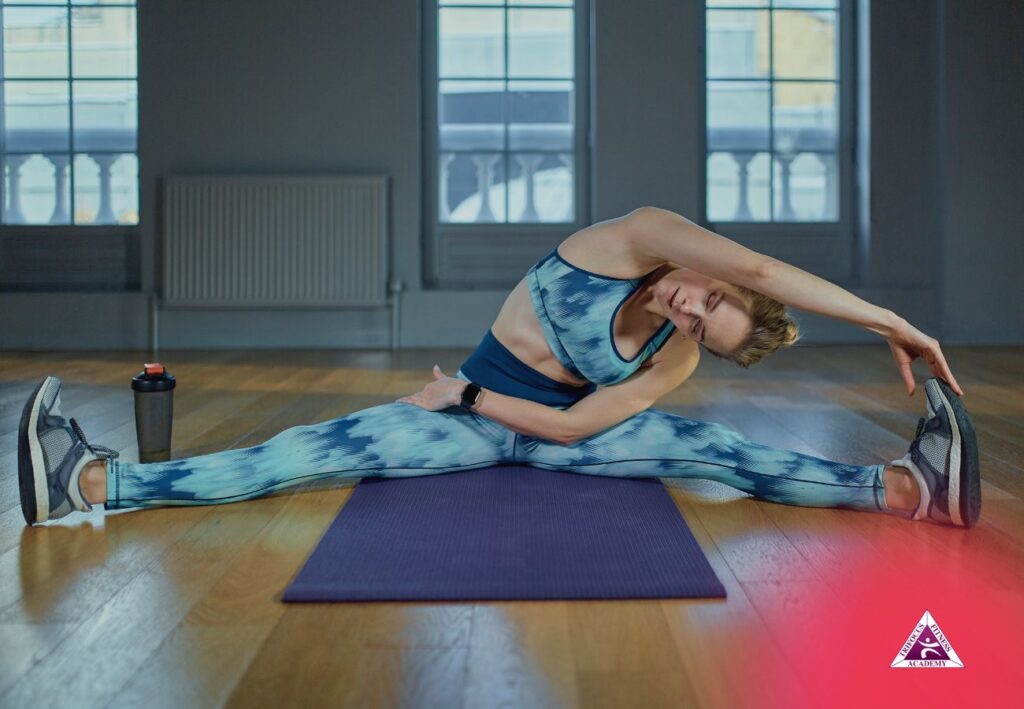
Living these days has a way of hardening us—too much sitting at desks and too little physical activity, as well as repetitive movements, can leave us with tight muscles and decreased joint mobility. Whether you’re an elite athlete, sitting at a desk all day, or want to maintain a full range of motion as you age, enhancing flexibility is a crucial ingredient for moving better and feeling better. That is where exercises such as yoga come in as a life-changer.
Yoga has long been recognised not only for its soothing effects but also for its versatility, as it can enhance mobility, overall body flexibility, and joint health. Whereas more intense workouts can focus on smaller muscle groups, yoga exercises work the entire body, exercising many muscles and improving posture, breath control, and body awareness simultaneously. Having stiff hamstrings, tight hips, an achy lower back, or limited shoulder mobility isn’t only inconvenient; it’s an early warning sign of long-term mobility issues that could ultimately lead to an injury or chronic pain.
How Yoga Exercise Improves Flexibility
Increased flexibility is one of the most well-known benefits of yoga. But what does that look like? Flexibility is a measure of how freely your muscles and connective tissues can elongate or stretch and move without being restricted. When laxity is compromised—whether from sedentariness, injury, or ageing—you are at greater risk for feeling pain and having limited ability to move about.
Yoga loosens up muscles by gently and unhurriedly stretching them, the tendons as well as the ligaments (the connective tissue around the muscles). Yoga does not force the body into a pose; it enables a state of ease and mindfulness, allowing muscles to release tension at their own pace.
Some of the key ways yoga supports flexibility:
- Progressive Flexibility: Poses are maintained longer, promoting muscles to release without danger.
- Balance: Most exercises target some muscles more than others, and this is what creates most of our imbalances and tightness.
- Breath Awareness: Deep breathing in yoga helps calm the nervous system, allowing for deeper stretching with less strain.
- Repetition is king: Unlike other workouts that fatigue and wear down muscles, yoga utilises repetition and frequency to gradually and gently coax and encourage flexibility.
For instance, poses such as Downward Dog, Seated Forward Fold, and Low Lunge are all great yoga postures to help lengthen the hamstrings, hips, and back. These areas often become especially tight for people who have a sedentary job or those who participate in repetitive sports.
Yoga also enhances functional flexibility, which is necessary for regular movements such as twisting, bending, and reaching. The more supple you are, the more efficiently and comfortably your body will function, keeping it healthier for longer and reducing the risk of injury.
Yoga Exercises That Target Key Tight Areas
When constructing a yoga practice that targets flexibility, it’s key to focus on the most frequently tight areas: hips, hamstrings, shoulders, spine, and calves. Here are some yoga poses well-suited to improve blood flow and ease tension in these areas.
- Hip Flexibility
Lizard Pose (Utthan Pristhasana): Great pose to release the hip flexors and groin.
Pigeon Pose (Eka Pada Rajakapotasana) – Intense hip opener that stretches out the glutes and piriformis.
- Hamstring Flexibility
Standing Forward Fold (Uttanasana): This posture stretches the backs of the legs and the back.
Half Splits Pose (Ardha Hanumanasana): Offers a deep hamstring stretch with the help of the hips.
- Shoulder and Chest Openness
Puppy Pose (Uttana Shishosana): Helps the chest and shoulders stretch out and alleviates tension in the upper back.
Thread the Needle Pose: It addresses the shoulder girdle and enhances spinal rotation.
- Spinal Flexibility
(Marjaryasana/Bitilasana) Stimulates soft movement of the spine and body, as well as a warm-up.
Spinal Twist (Ardha Matsyendrasana): Good for your back and a detox.
- Calves and Ankles
Downward Dog (Adho Mukha Svanasana): It stretches the calves, the hamstrings, and the arches of the feet.
Garland Pose (Malasana): Helps the ankles and groin, and optimises squatting mechanics.
All these yoga poses should be performed with mindfulness, slow movements, and concentrated breathing. Relax into each hold for 30–60 seconds at a time, rather than pushing too hard. With time, these poses will unlock tighter spots and increase your movement potential.
Creating a Yoga Routine for Lasting Flexibility Gains
You don’t become more flexible overnight; successful, long-term flexibility comes with a combination of consistency, attention to the moment, and the right building blocks. If you want to improve your mobility and loosen tightness, your yoga workout should emphasise full-body mobility while allocating additional attention to the areas where you are stiffest.
Constructing Your Weekly Plan:
- How often: 3–5 times per week, 20–60 minutes each session.
- Style: Opt for more slowly paced practices to focus on long-held stretches, such as Hatha, Yin, or Vinyasa Flow.
Structure:
- Warm-Up (5-10 minutes): Slow-moving poses like Cat-Cow, Downward Dog, or Sun Salutations.
- Deep Stretching (15-30 minutes): Focus on the tightest body parts with the yoga exercises mentioned above.
- Cool-Down (5–10 minutes): Soft twists, forward folds and a final relaxation (Savasana).
Tips for Progress:
- Use props, such as blocks, straps and pillows, to help support deeper stretching without feeling strained.
- Take long, deep breaths as you practice, allowing the body to relax.
- Be patient—flexibility gains take time but last.
While other forms of exercise can leave you sore or wiped out, a good yoga workout makes you feel energised, looser, and more mentally refreshed. Please include it in your self-care arsenal, and your body will benefit from greater mobility and a wider range of pain-free movement.
Benefits Beyond the Mat: How Flexibility Improves Daily Life
You don’t need to be a dancer or even a gymnast to benefit from increased flexibility. All the strides you make from your yoga workout will immediately transfer to your emotional and physical life.
- Injury Prevention
When your muscles are tight, they are more likely to get strained. Greater flexibility can also help you maintain a wide range of movement in your joints, which can enhance your performance both in exercise and in accomplishing daily routines.
- Better Posture
Tight hips and hamstrings can drag your pelvis and spine out of alignment. It corrects all imbalances through its effective yoga practice, which eventually results in an upright posture and decreased back pain.
- Improved Athletic Performance
If you’re a runner, cyclist, swimmer, or gym rat, yoga boosts your mobility, cuts recovery time, and brings a newfound sense of body awareness as well. Flexible muscles work more efficiently and recover more quickly.
- Enhanced Mental Clarity
Where the body goes, the mind follows. Yoga’s asana practice offers two things: better movement and a feeling that is hard to come by: mental relaxation and emotional grounding.
- With Age Comes Wisdom??
As we age, the importance of being able to move freely becomes increasingly critical. Yoga helps keep joints supple, muscles lengthened, and the body working at optimal levels deep into your golden years.
The flexibility that comes with yoga is not about touching your toes — it’s about living with less resistance and more freedom in everything you do. That’s why a regular practice of yoga is one of the smartest long-term investments you can make in your health and well-being.
Conclusion
In a world that constantly urges us to go harder and faster, the act of slowing down and tuning in, whatever shape it takes, can be both radical and restorative. Yoga is about more than just flexibility — it’s a whole body, mind experience that can help you function better, feel better and live better.
Flexibility is not just about bending further into concrete poses — it’s about making space in your body and your mind. With regular practice, you’ll notice that your joints move more freely, your muscles recover more quickly, and the way you walk, sit and move during the day feels easier and lighter. When it comes to freeing up stiff hamstrings, loosening frozen shoulders, and opening creaky joints, yoga exercises work like nature. It doesn’t require perfection — just patience and presence.
Contact Trifocus Fitness Academy
Explore the rewarding path of becoming a certified Yoga instructor. Unleash your potential and inspire others on your journey with Trifocus Fitness Academy’s comprehensive Yoga program.

Frequently Asked Questions
Yoga stretches muscles and connective tissues slowly, enabling them to lengthen and become more elastic over time. “Unlike holding a static stretch, yoga incorporates movement with breath, which will soothe the muscles so they can release tension,” Carrara says. You don’t want the body to deepen into flexibility in a way that doesn’t serve it; holding poses like Forward Fold or Pigeon Pose makes the body safer to do so. With time and repetition, regular, vigorous yoga practice increases your body’s overall range of motion, facilitating effortless day-to-day movements. It can help correct imbalances created by inactivity or repetitive movements.
Absolutely. Yoga is an excellent workout for beginners because it’s low-impact, and anyone can do it regardless of their fitness level. Poses can be adjusted with blocks and straps, enabling novices to stretch safely. You don’t need to be naturally flexible: regular practice helps release muscle-bound areas like the hips, hamstrings, and shoulders. Slow and steady gets you there faster than trying too hard! With time, you begin to experience increased flexibility, reduced stiffness, and improved posture, all without prior experience.
Some excellent yoga exercises for tight hips include Pigeon Pose, Lizard Pose, and Garland Pose. For the biceps femoris muscles, do Forward Fold, Downward Dog and Half Splits Pose. These postures focus on areas where tension often accumulates, promote circulation, and, over time, can help to lengthen the muscles. Hold each position for 30-60 seconds and use your breath to deepen the stretch. The more you do these yoga workouts, the more you will notice the lower part of your body becoming more mobile, with improved posture and less struggle with walking, bending, and sitting.
Practice yoga exercises 3–5 times a week to see significant improvement. The sessions don’t have to last long — even 15 to 30 minutes can have an impact if they are done consistently. It’s generally better to get a little bit of stretching each day than to do infrequent, intense sessions of stretching. The muscles and fascia have time to become accustomed when the process occurs repeatedly. Add a combination of dynamic postures and extended holds to work the deeper muscles. Eventually, flexibility and range of motion will develop with use.
Yes, yoga is excellent for improving joint mobility. It subtly stimulates the full range of motion in, say, the mass of the waste, the spine, the shoulders and the knees. Dynamic sequences, such as Sun Salutations, and slower stretches, like Cat-Cow or spinal twists, lubricate the joints and alleviate stiffness. Better mobility promotes better posture, decreases the chances of injury, and makes day-to-day movements less taxing. Yoga also works the muscles around the joints, which help keep connective tissue healthy while improving range of motion.
Yoga is likely better than simple stretching, since it focuses on movement, breath, and attentiveness all at once. Whereas the former focuses on specific muscles and, therefore, has the potential to create muscle imbalances, the latter works more on the whole body, joint flexibility, and calming the mind. The sense of flow between the poses also builds strength and increases circulation, which aids in muscle recovery and lengthening. Yoga exercise reduces stress and allows you to stretch safely while practising both breathing and movement. This well-rounded approach to yoga makes it a more integrated and sustainable system for increasing flexibility in the long term.